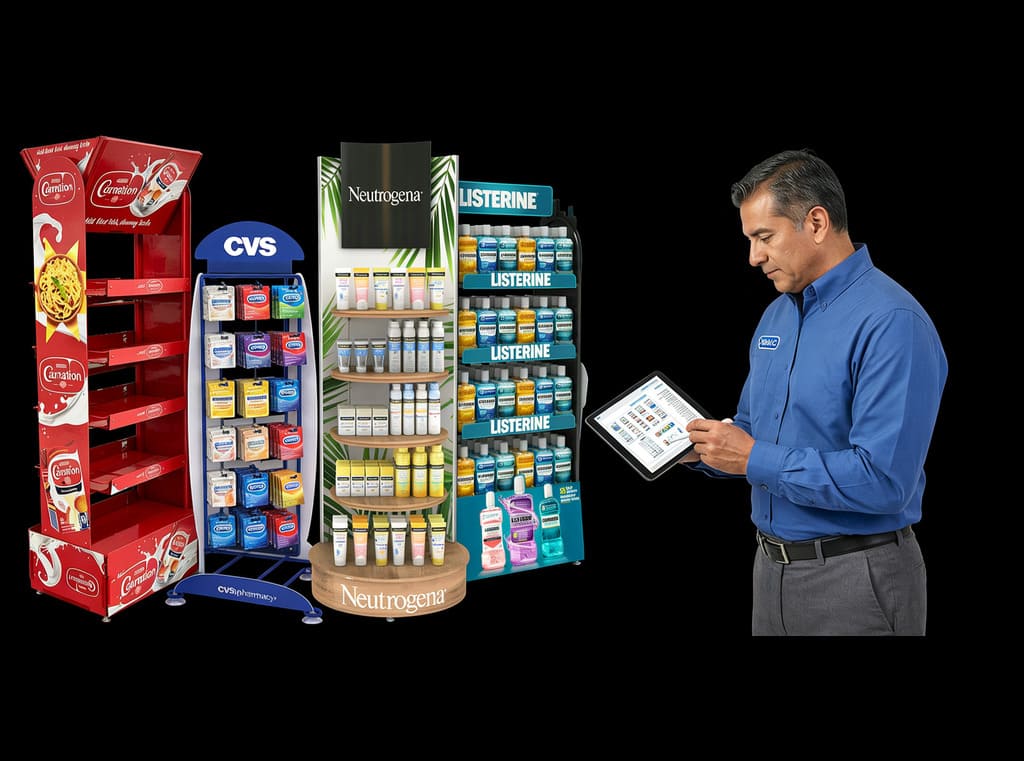
Innovative retail display solutions transform the shopper experience by increasing engagement, improving product visibility, and encouraging interaction at key decision points. By combining physical displays with digital, interactive, and immersive elements, retailers can drive impulse purchases, strengthen brand perception, and boost overall sales performance.
Innovative display solutions transform the shopper experience by increasing engagement, improving product visibility, and prompting action at the exact moment a decision is made. When you combine physical structures with digital, interactive, and sensory elements, you drive impulse purchases, strengthen brand perception, and lift sell out at store level.
In retail, attention is the scarcest resource you compete for. A shopper walks an aisle in seconds, scanning dozens of brands, and your product either earns a pause or it does not. That pause is what well designed retail display solutions are built to create.
If you manage a consumer brand, this is where execution decides the outcome. The right structure, in the right zone, with the right message can outperform a much larger media budget. At Diforma Group we have spent more than 20 years designing custom point of sale solutions for FMCG brands across international markets, and the pattern repeats: brands that treat the display as a strategic asset consistently win the shelf.
Below are ten formats worth having on your radar, plus a framework to decide which one fits your category.
1. Counter displays: win the last three seconds before checkout
Counter displays sit at the highest intent moment in the store. The shopper has already decided to buy something. Your job is to add one more item to the basket.
These point of sale display solutions work best with low ticket, high rotation products: confectionery, batteries, single serve snacks, travel formats. Keep the structure compact, the message to one line, and the product within arm’s reach. If a shopper has to think, you have already lost the sale.
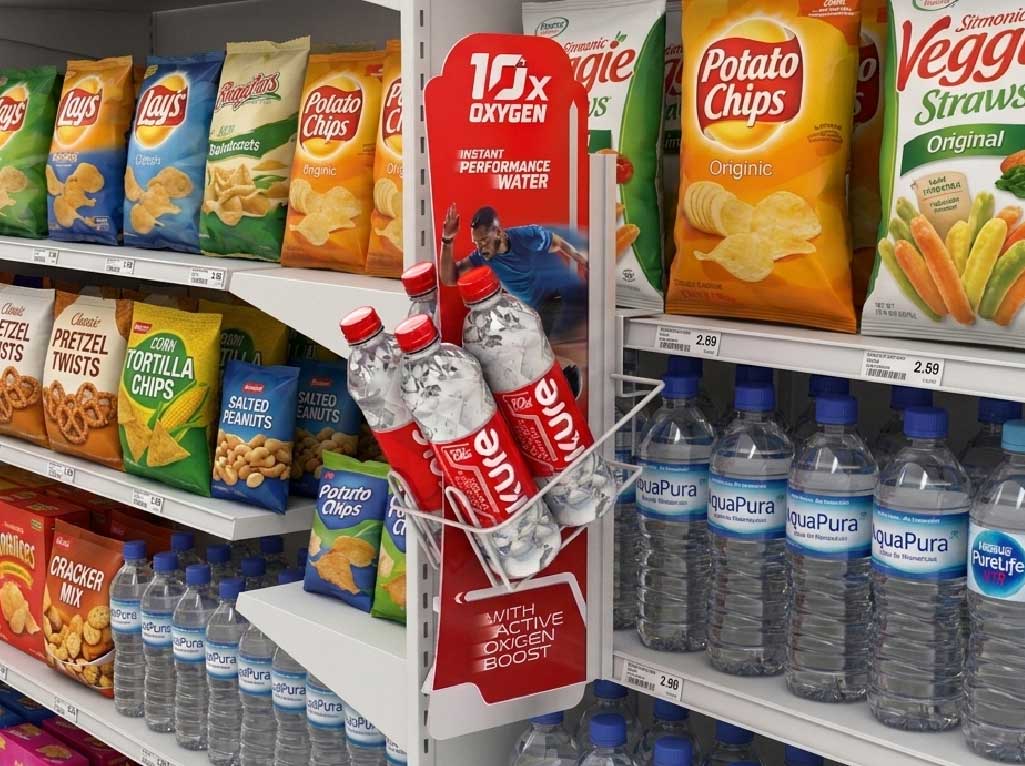
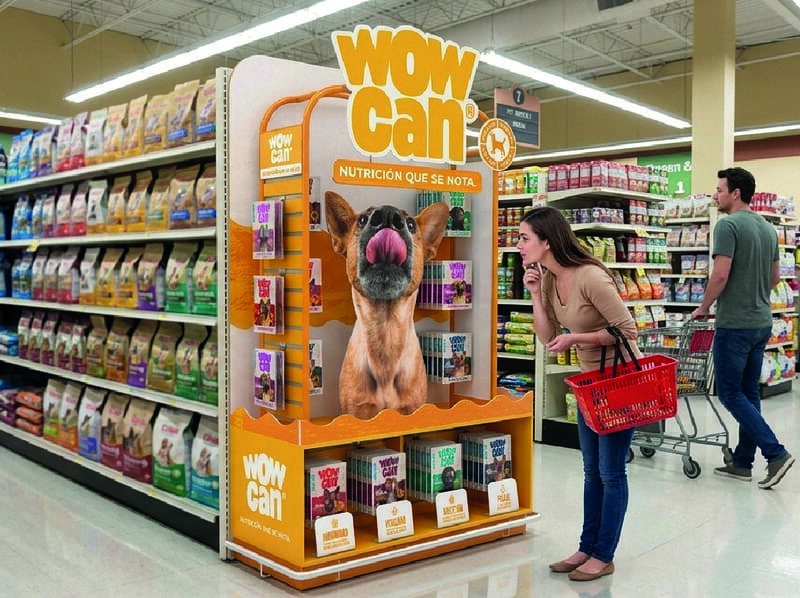
2. Endcap displays: buy the most valuable real estate in the store
Endcaps sit where traffic naturally slows and turns. That makes them the most contested space in any chain negotiation, and the most measurable.
The mistake most brands make is treating an endcap as storage. Rotate the offer, refresh the graphics with each campaign cycle, and give the space a single clear reason to exist: a launch, a seasonal push, a price event. A static endcap that runs for six months becomes invisible by week three.
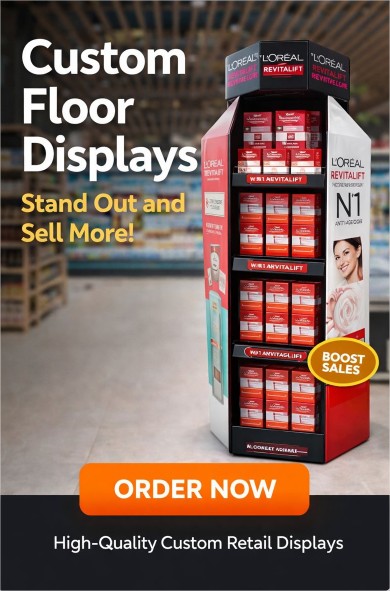
3. Floor displays: turn empty space into a brand moment
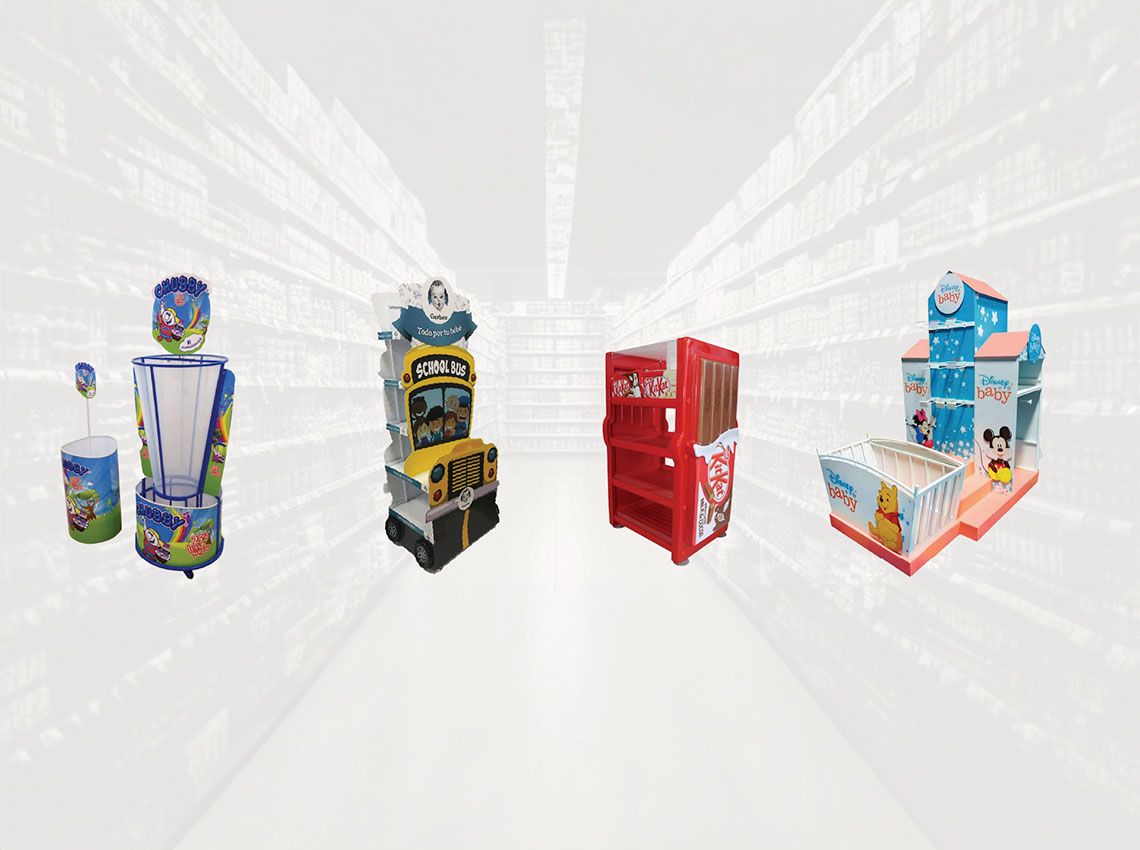
Floor displays let you occupy open circulation areas without a shelf negotiation. They are ideal for launches, promotional volume, and seasonal peaks where you need presence fast.

The strongest product display solutions in this category are built around structural logic: they must survive restocking, be assembled in minutes by store staff, and hold their shape until the campaign ends. Beautiful designs that collapse in week two damage brand perception more than no display at all.
4. Dump bins: make discovery feel like a find
Dump bins invite shoppers to dig, and digging creates ownership. The format works because it signals value without saying “cheap”.
Place them near high traffic corridors or at the transition into a clearance zone. They are also a practical tool to move surplus inventory or short dated stock without disturbing your regular shelf pricing architecture.
5. 3D poster displays: add depth where flat advertising disappears
Lenticular and dimensional printing create movement that the eye registers before it reads a word. In a wall of flat POP material, depth is a shortcut to attention.
These formats justify their cost on launches, premium lines, and campaigns where you need to signal that something is genuinely new.
6. Four way displays: get more visibility from less floor space
Four way units display product on all sides, which multiplies facings without multiplying footprint. That matters when retailers are tightening space allocation.
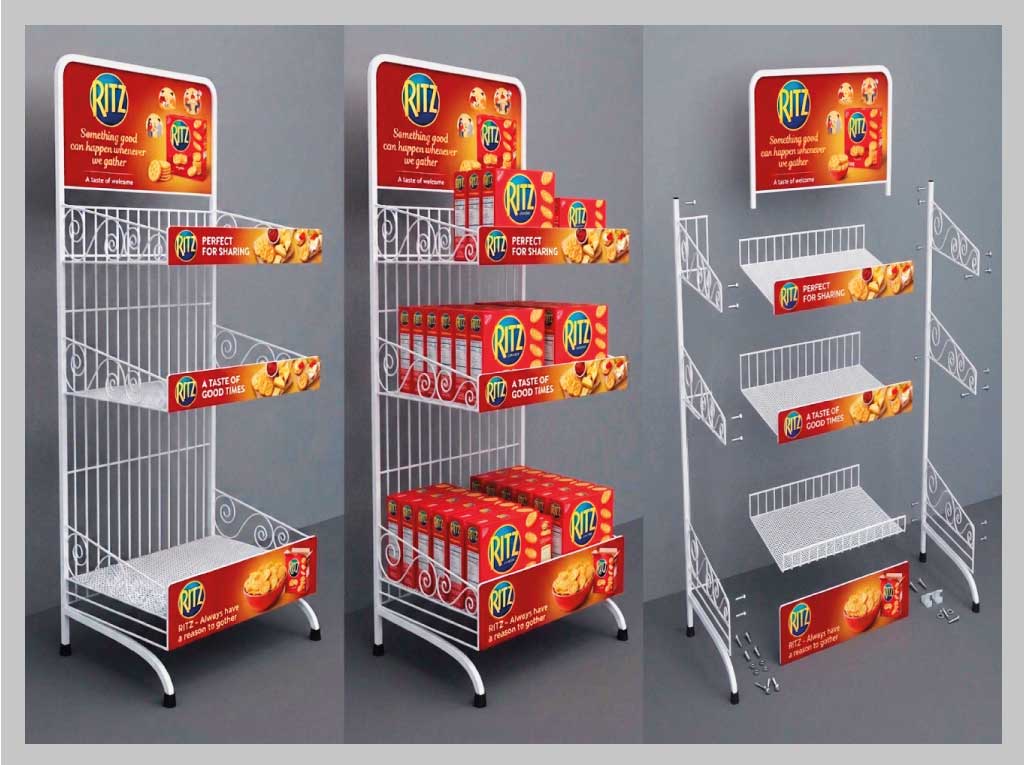
Their modular configuration makes them one of the most flexible display solutions for retail stores with mixed formats, since the same structure can host different SKU sizes across the year.
7. Sampling displays: let the product sell itself
Trial removes doubt faster than any claim on a package. Sampling stations work especially well in food, beverage, personal care, and fragrance, where the decision is sensory.
Design the unit so the sampling ritual is obvious and the purchase is immediate: product to try on one side, product to buy within reach on the other. Separating those two things kills conversion.
8. Interactive touchscreens: answer the questions your packaging cannot
Interactive shopping displays give shoppers access to product comparisons, ingredient detail, sizing guidance, or reviews at the moment of doubt. They are most valuable in complex or high consideration categories where a wrong choice feels risky.
Keep the interface to three taps or fewer. A screen that requires a tutorial becomes an expensive decoration.
9. Augmented reality displays: close the gap between physical and digital
AR lets a shopper visualize a product in context, whether that is a garment, a color, or a piece of furniture in a room. Among current retail display innovations, it is the one that most reliably extends dwell time.
Treat it as a targeted investment for flagship stores and key accounts rather than a chain wide rollout.
10. Dynamic digital signage: change your message as fast as the store changes
Digital signage lets you adjust content by daypart, weather, or store cluster. A coffee message at 8 a.m. and a dessert message at 6 p.m. from the same screen.
Align that content with your planogram so the promoted product is actually findable where the message appears. Signage that promotes a SKU the shopper cannot locate creates frustration, not conversion.

How to choose the right display for your brand
Not every format fits every category. Before investing, work through four filters.
Shopper mission
Is the purchase planned or impulsive? Planned categories need clarity and navigation. Impulse categories need interruption. Innovative in store displays fail most often when they are built for the wrong mission.
Store format and traffic
A hypermarket aisle, a convenience corner, and a pharmacy counter demand completely different structures. Design for the smallest and most restrictive format you will deploy in.
Campaign duration
Two weeks of promotional volume calls for corrugated. A twelve month presence calls for permanent materials. Matching material to lifespan is the fastest way to control cost.
Operational reality
Who assembles it, who restocks it, and how often. The best in-store display solutions are the ones store staff actually maintain, which usually means fewer parts and intuitive assembly.
Frequently asked questions
What makes a retail display effective?
Relevance to the shopper mission, correct placement within the traffic flow, a single clear message, and easy product access. Design quality matters, but placement and simplicity drive more sales.
How much should you invest in point of sale displays?
Budget against expected rotation and campaign length, not against unit price. A permanent structure with a higher initial cost frequently outperforms repeated temporary units over a year.
Are digital displays better than physical ones?
They serve different purposes. The strongest results usually come from combining both: a physical structure that holds the product and a digital layer that adapts the message.
How long should a display stay in store?
Refresh promotional graphics with each campaign cycle. Even the most innovative retail displays lose impact once shoppers stop noticing them.
Turn shelf presence into sell out
Displays are not decoration. They are the last and most decisive media channel your brand controls, and the only one that reaches the shopper with the product already in hand.If you are planning your next launch, seasonal push, or category reset, our team can help you define the right format, materials, and rollout plan for your channels. Tell us about your product and your store footprint, and we will design the point of sale solution that fits.