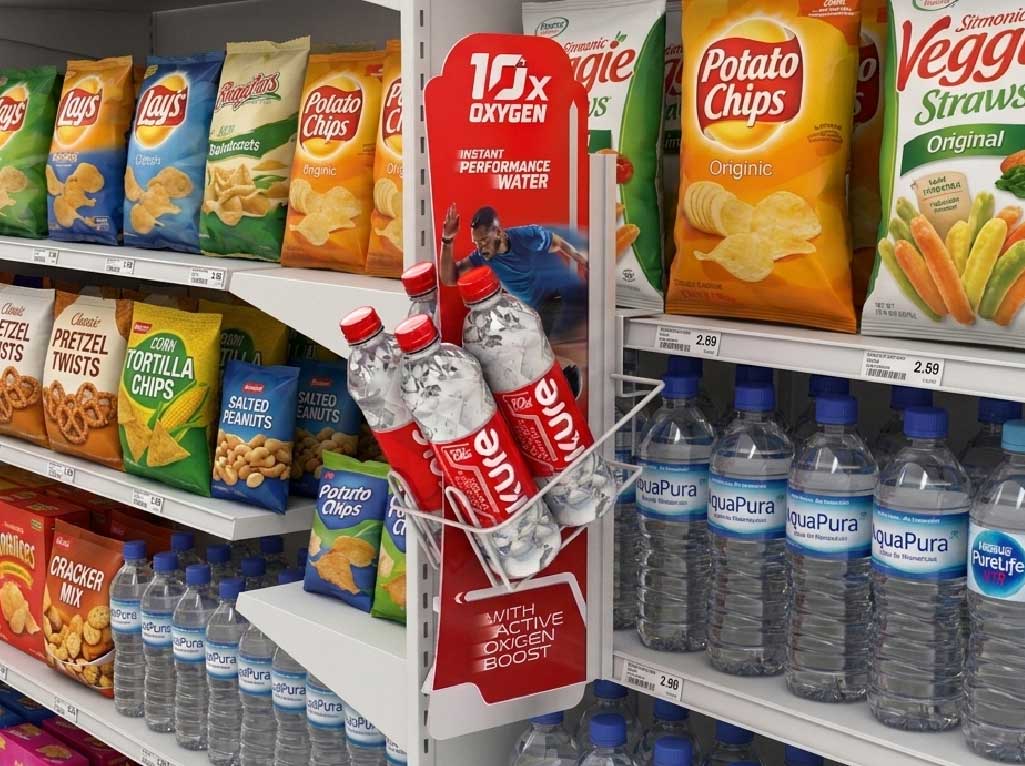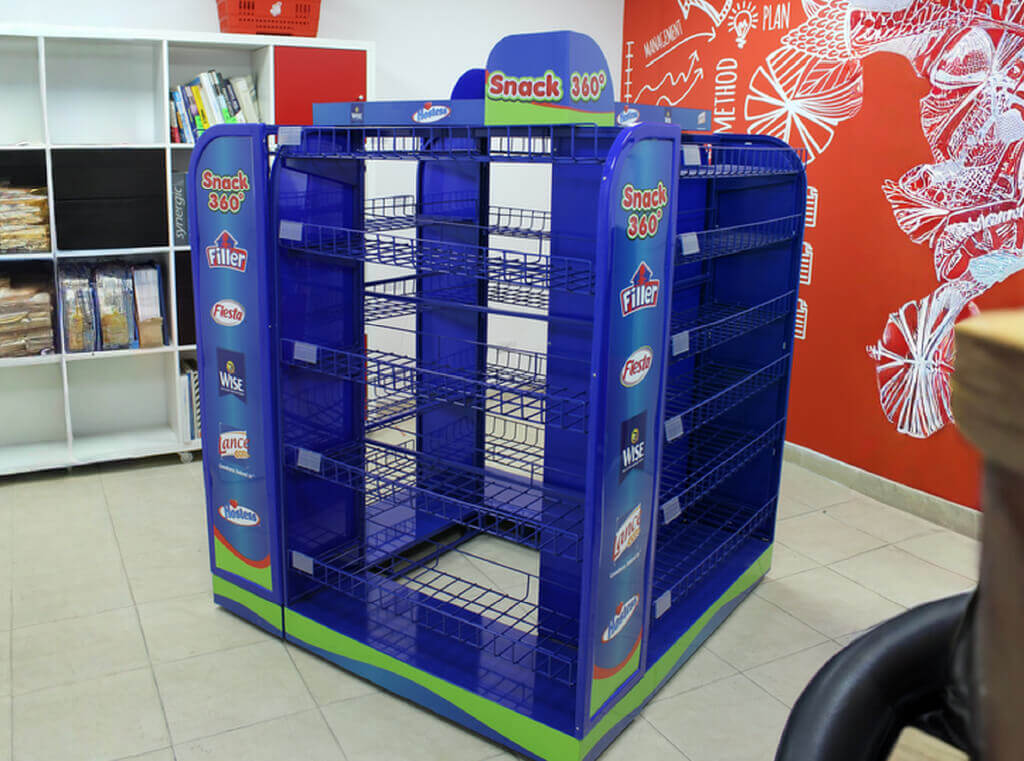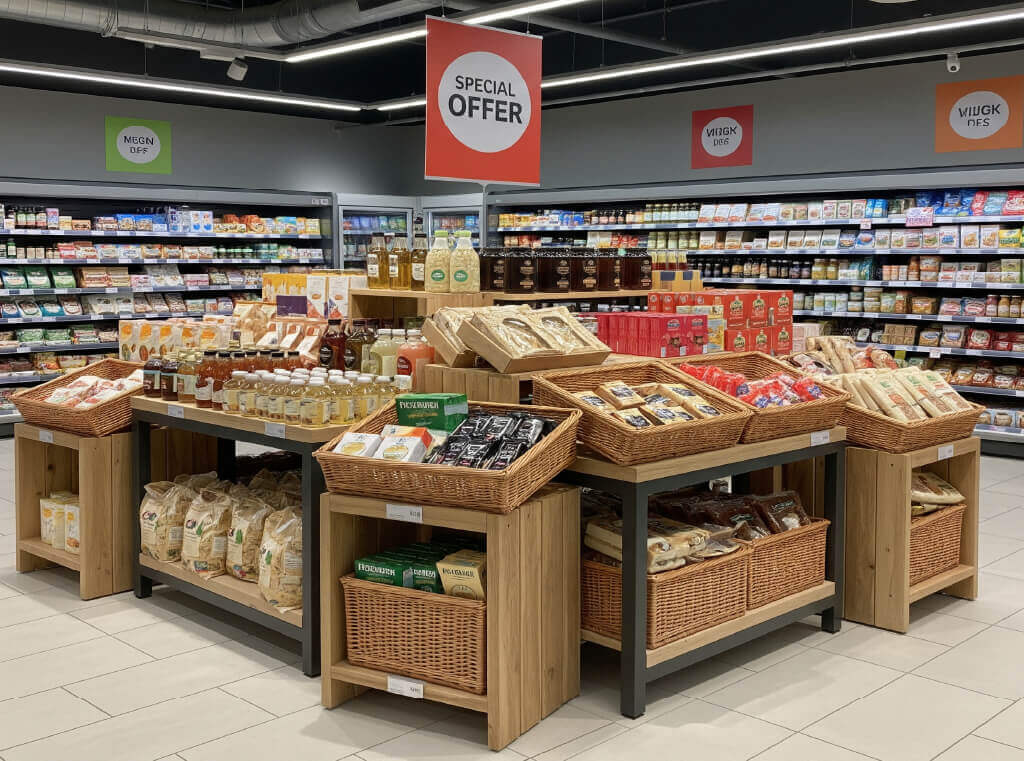
A POG (Planogram) in retail is a visual layout that defines how products should be arranged on shelves to maximize sales, improve customer experience, and optimize space. It ensures consistency, better product visibility, and data-driven merchandising decisions.
Stop Guessing Shelf Placement — Start Selling Smarter
Walk into any successful retail store and you’ll notice something subtle but powerful: nothing is placed randomly. Every product, every shelf, every angle is intentional. That’s the power of a POG in retail.
A Planogram (POG) is more than just a diagram — it’s a strategy. It tells your store exactly where products should go, how many units to display, and how to guide customers toward buying decisions without them even realizing it.
If your store layout isn’t optimized, you’re leaving money on the table.
What is a Planogram (POG) and Why It Matters
A planogram is a visual merchandising tool that defines product placement on shelves, racks, or displays based on performance data, consumer behavior, and space efficiency.
Instead of relying on intuition, retailers use structured layouts to:
- Increase product visibility
- Improve inventory control
- Boost impulse purchases
- Standardize store layouts across locations
- Maximize every square inch of retail space
This is where planogram services and planogram design services come into play — transforming raw data into layouts that convert.
The Real Goal: Turning Space Into Revenue
A shelf is not just storage. It’s a sales engine.
A well-designed planogram ensures:
- High-demand products are placed at eye level
- Complementary items are grouped together
- Slow-moving products are repositioned strategically
- Shelf space reflects real sales performance
With the right retail merchandising software, you’re no longer guessing — you’re optimizing.

Why Retailers Are Investing in Planogram Technology
Modern retail is data-driven. Manual layouts no longer compete with intelligent systems.
That’s why businesses are adopting:
- planogram software for retail
- POG retail software
- automated planogram tools
- planogram creation tools
These solutions allow retailers to simulate layouts, test strategies, and deploy optimized displays faster than ever.
If you’re looking to scale operations, it may be time to buy planogram software retail and move beyond traditional merchandising.
From Concept to Shelf: How Planograms Are Created
Creating a planogram isn’t just about design — it’s about performance.
A typical workflow includes:
- Data analysis (sales, customer behavior, product rotation)
- Space measurement and store constraints
- Layout design using specialized tools
- Testing and optimization
- Implementation across stores
This is why many brands rely on planogram consulting services or custom planogram solutions to ensure accuracy and results.
The Hidden Advantage: Customer Experience
A strong planogram doesn’t just help retailers — it helps customers.
When products are placed logically:
- Shoppers find what they need faster
- Decision fatigue is reduced
- Navigation feels intuitive
- The store feels organized and premium
This directly impacts conversion rates.
Smart store layout optimization services focus not only on selling more — but on making the buying experience effortless.
Shelf Planning Is a Science (Not an Art)
Many retailers still treat merchandising as a visual task. In reality, it’s analytical.
With tools like shelf planning software, you can:
- Predict product performance based on placement
- Allocate space based on profitability
- Adjust layouts dynamically based on trends
Even better, a planogram generator online can speed up the process, allowing teams to create and test layouts in real time.
The Role of Custom Displays in Planograms
Planograms and physical displays go hand in hand.

A digital layout is only as effective as its real-world execution.
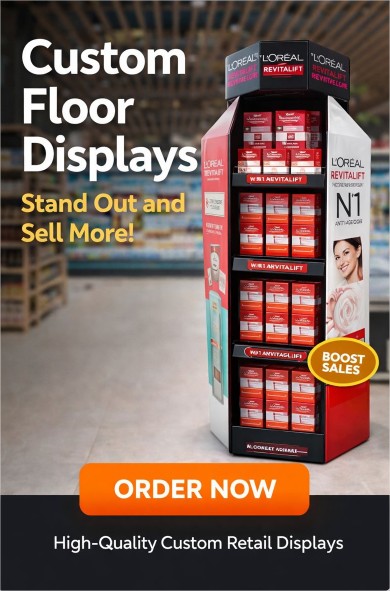
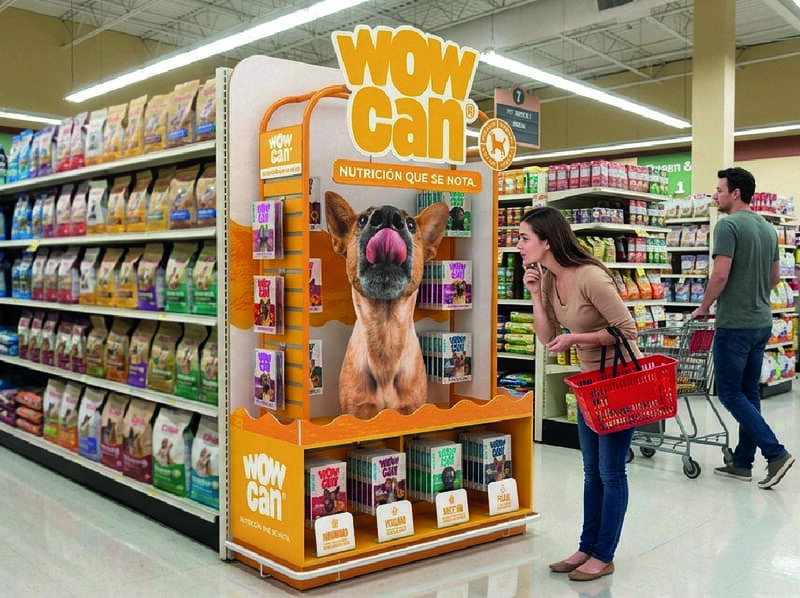
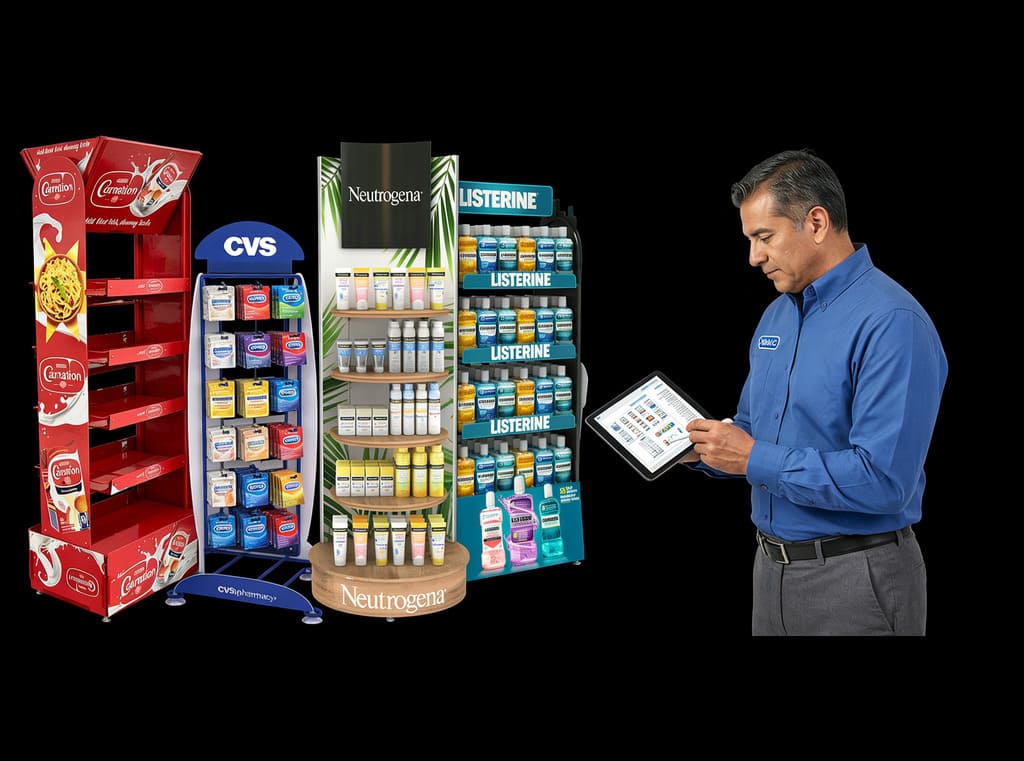
That’s where tailored display solutions come in — ensuring that the planogram translates perfectly into the physical environment.
At https://diformainstore.com/, the focus is on creating retail display solutions that align with merchandising strategies, ensuring that planograms are not just designed — but executed with precision.
When Do You Need Planogram Services?
If you’re experiencing any of the following, it’s time to rethink your layout:
- Inconsistent product placement across stores
- Low visibility for key products
- Overstocked shelves with poor rotation
- Difficulty scaling merchandising strategies
- Lack of data-driven decisions
Professional retail planogram consulting services help bridge the gap between strategy and execution.
Planograms at Scale: Multi-Store Consistency
For growing brands, consistency is everything.
Planograms allow you to:
- Replicate winning layouts across multiple locations
- Maintain brand identity
- Ensure compliance with merchandising standards
- Train staff more efficiently
With the right custom planogram solutions, scaling becomes predictable and controlled.
The Future of Retail Merchandising
Retail is evolving fast — and planograms are evolving with it.
New trends include:
- AI-driven layout optimization
- Real-time data integration
- Automated shelf adjustments
- Digital twins of store environments
Retailers using advanced automated planogram tools are gaining a serious competitive edge.
Your Layout Is Your Silent Salesperson
Every shelf in your store is communicating something to your customer.
The question is: is it helping you sell — or holding you back?
A well-executed planogram ensures that your store works for you 24/7, guiding customers, increasing conversions, and maximizing every inch of space.
If you’re serious about improving retail performance, investing in strategy, tools, and execution is no longer optional — it’s essential.
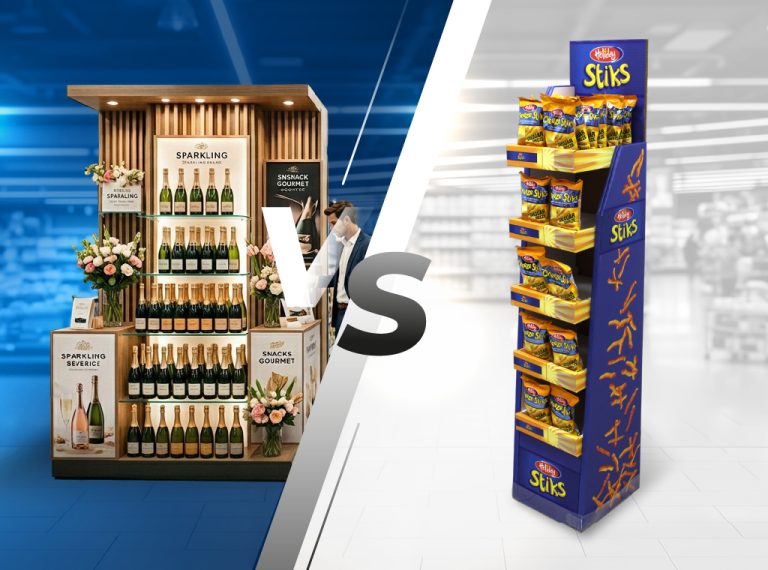
And it starts with understanding the power of a POG.