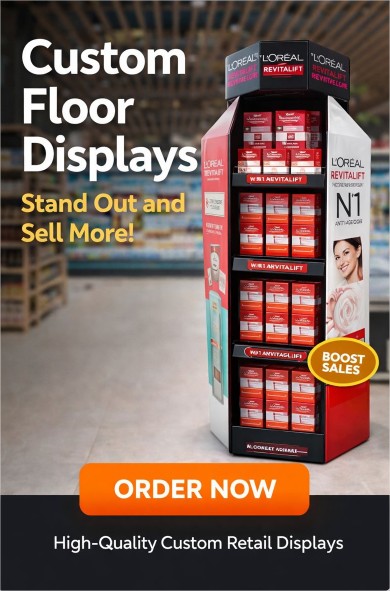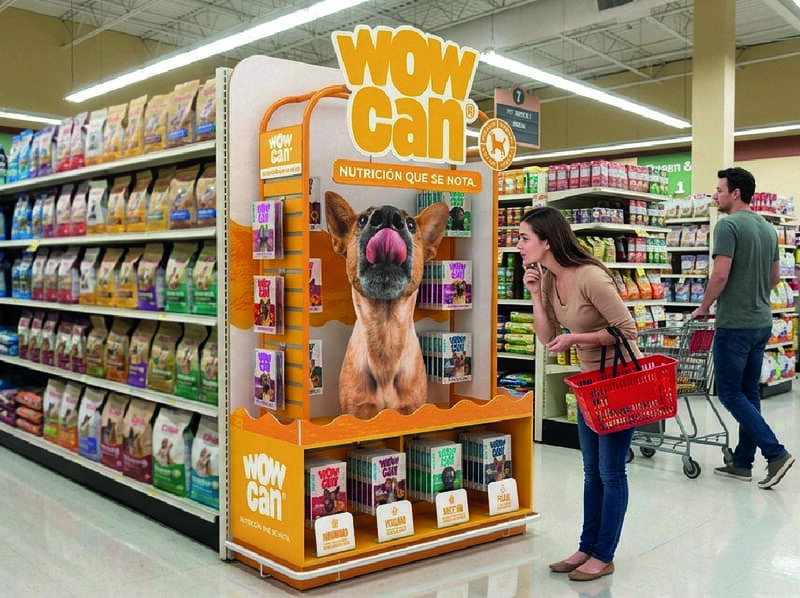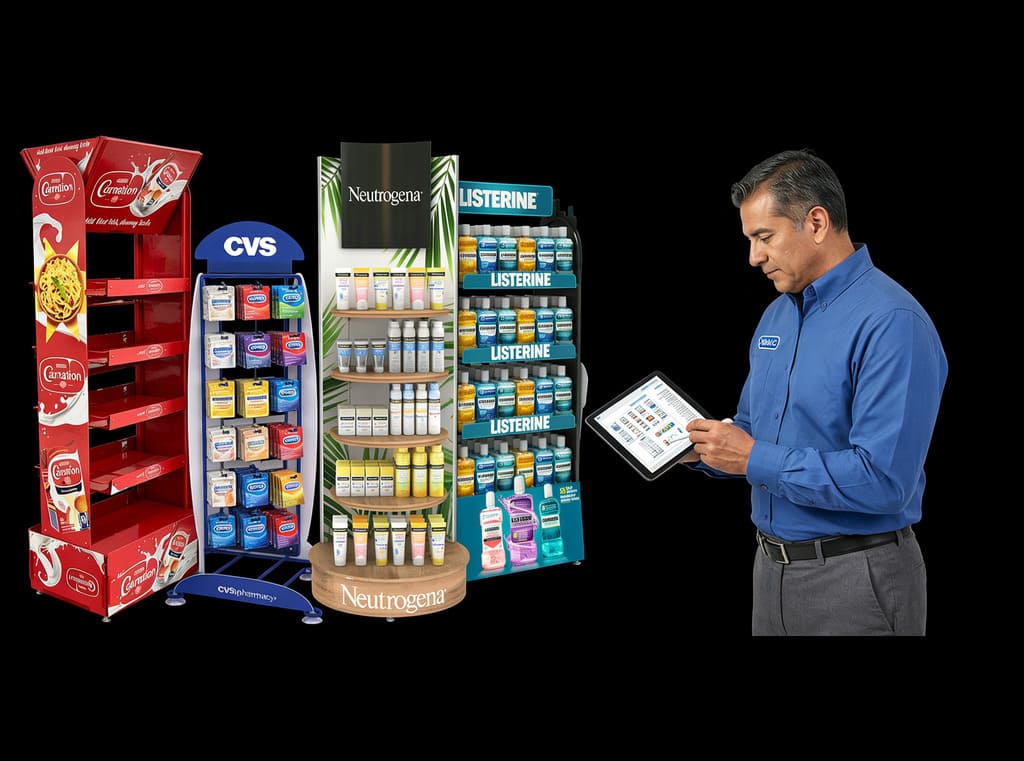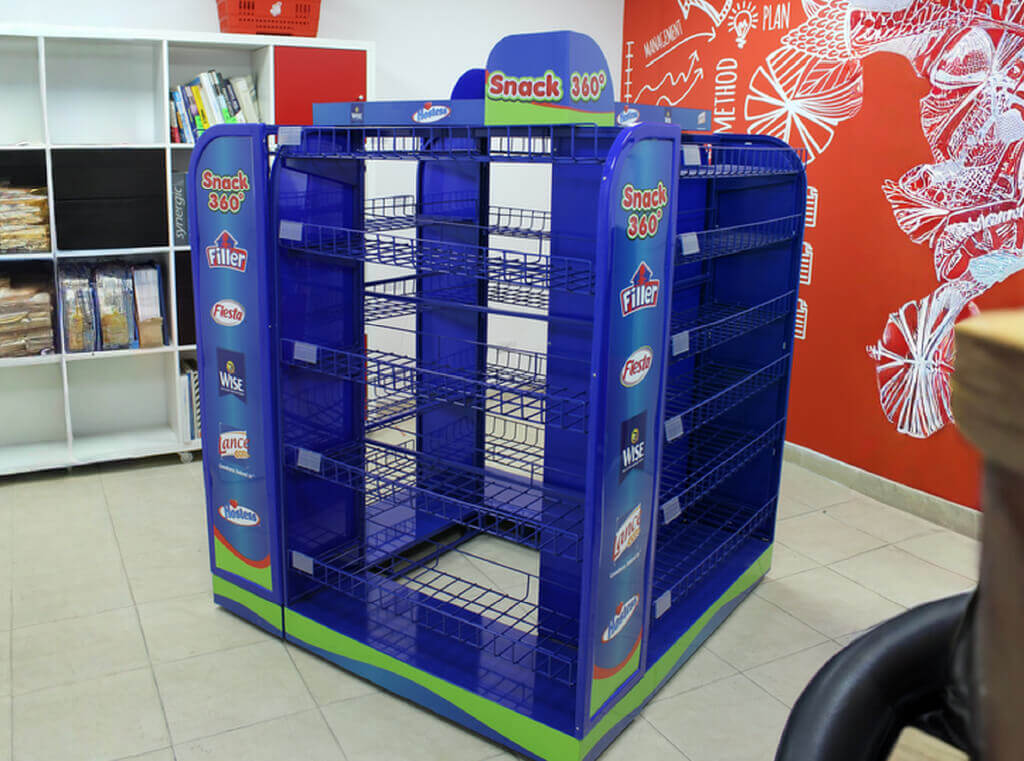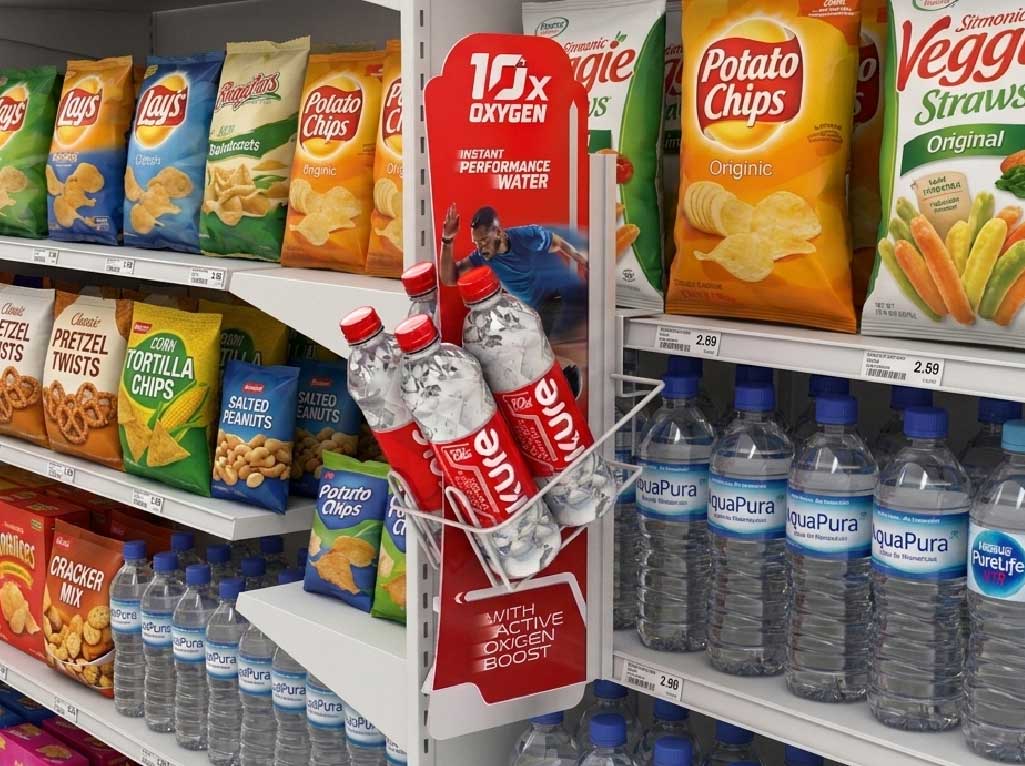
Cross-merchandising is the practice of placing complementary products together along the same shopper path, so one purchase naturally suggests the next. In fast moving consumer goods, it works because it removes friction at the exact second a decision is made, lifting units per transaction without touching your price list.
The difference between a pairing that sells and one that simply occupies floor space is almost always execution. A well built cross-merchandising in FMCG strategy depends on data, on the physical structure that holds the products, and on how well that structure survives four weeks of real store traffic. That is why brands that treat cross-merchandising as a permanent capability, rather than a seasonal experiment, tend to see steadier results across their retail footprint.
Why Your Basket Size Stops Growing
Most brand teams hit the same wall. Distribution is solid, rotation is acceptable, share of shelf is defended, and still the average ticket refuses to move. The reason is structural. Category planograms are built to organize inventory, not to build combinations. Shampoo sits with shampoo. Pasta sits with pasta. The shopper walks a route designed for replenishment, not for discovery.
That layout logic protects the retailer’s operation, but it quietly limits your growth. If your product only exists in one aisle, you only get one chance per visit to be chosen. Every additional touchpoint you create along the store journey is another opportunity to enter the basket, and the shopper rarely resents it when the pairing makes obvious sense.
There is also a timing problem. Purchase decisions in FMCG happen fast, often in under ten seconds. Asking a shopper to remember your product two aisles later almost never works. Putting it in front of them at the moment of relevance almost always does.
What Cross-Merchandising Delivers Beyond Extra Units
The immediate benefit is volume, but the strategic value goes further.
More Visibility Without Negotiating More Shelf
Secondary placements let you appear in categories where you have no planogram rights. A branded display of sauces beside the fresh pasta section gives you presence you could not buy through a shelf negotiation, and it costs the retailer nothing in linear meters.
Higher Value per Shopper Trip
When two related products travel together, the ticket rises without a promotional cut. This is one of the cleanest ways to increase average order value, because you are adding units rather than subtracting margin. A shopper buying razors who sees shaving gel positioned alongside them is not comparing prices. They are completing a task.
Category Leadership and Retailer Goodwill
Buyers pay attention to brands that grow the category, not only their own share. A pairing that lifts two departments makes you a partner rather than a supplier, which improves your position in the next negotiation cycle.
How Smart Product Pairings Are Built
Start With Evidence, Not Intuition
The strongest pairings come from market basket analysis, which reveals which items already appear together in real transactions. Retailer data, loyalty programs and point of sale reports show correlations that instinct often misses. Coffee and breakfast biscuits are obvious. Baby wipes and household cleaning cloths are less obvious, and frequently more profitable.

Before you invest in production, look for three signals. First, affinity strength between the two products. Second, whether the pairing already happens organically, which means you are amplifying behavior rather than inventing it. Third, whether the combined price point still fits the shopper’s mental budget for that trip.
Translate the Insight Into a Physical Structure
Data tells you what to pair. The display decides whether it works. A product bundling strategy that lives only in a spreadsheet will fail the moment a store associate has to assemble it in a busy aisle without instructions.
The physical solution has to be stable, easy to restock, compatible with the retailer’s floor rules, and durable enough to look premium in week six. Materials, footprint, assembly time and graphic clarity are not aesthetic details. They are the operational difference between a display that stays up and one that gets dismantled quietly on a Tuesday morning.
What Separates a Display That Sells
Three things consistently show up in the executions that perform.
Logical proximity. The pairing must feel useful, not commercial. If the shopper has to think about why the two products are together, the connection is too weak.
One clear message. A secondary display gets a fraction of a second of attention. One benefit, one visual hierarchy, one call to action. Crowded graphics kill conversion faster than poor placement.
Field durability. Retail is a hostile environment for temporary structures. Carts hit them, staff move them, humidity warps them. Building for the real store instead of the render is where experience shows.
Scenarios Where Pairings Consistently Perform
A beverage brand placing chilled units beside the snack aisle during summer captures an impulse occasion that the drinks aisle alone never reaches.
A personal care brand pairing a new format with an established bestseller uses proven rotation to introduce the launch, cutting trial time significantly.
A cleaning brand grouping a concentrate with its reusable applicator turns a single purchase into a system purchase, which improves repeat rate on the refill.
A snack brand building a themed island before a national sporting event reframes several unrelated products into one occasion, which is often the fastest way to lift ticket value in a short window.
These are not creative exercises. They are the practical layer of a wider FMCG marketing strategy that connects brand investment to what actually happens in the aisle.
Recommendations Before Your Next Activation
Test in a controlled cluster of stores before scaling nationally. Ten well measured points of sale will teach you more than two hundred unmeasured ones.
Agree on the metric in advance. Units per transaction, ticket value and incremental rotation matter more than display count.
Coordinate with the retailer early. Approval delays, not creative problems, are the most common reason activations miss their window.

Plan the maintenance cycle. Someone has to restock, and if that plan does not exist, your investment degrades within days.
Keep your pairings under review. Shopper habits shift by season, by region and by store format, so the combinations that worked last year deserve a fresh look.
Turning Pairings Into a Repeatable Advantage
Cross-merchandising rewards brands that treat it as an operating discipline rather than a campaign. When your retail merchandising strategies combine transaction data, well engineered structures and a serious approach to field execution, basket growth stops being a lucky quarter and starts being a predictable outcome.
If you are planning your next in store activation, the useful question is not which products to pair. It is whether the solution you put on the floor can hold that pairing together long enough to prove it works.