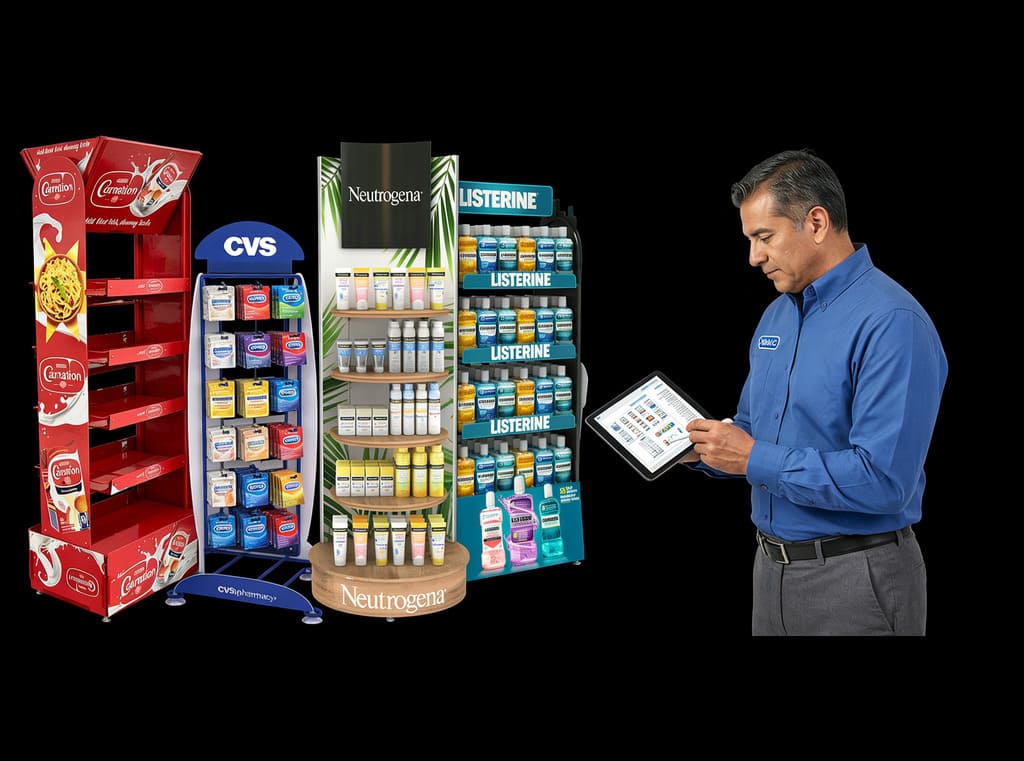
A strong brief is the single most important document you will share when starting a custom display manufacturing project. Understanding How to Brief a Custom Display Manufacturer properly sets expectations, reduces costly revisions, and ensures the factory produces exactly what your brand needs at the point of sale. Without it, you are gambling with your budget, your timeline, and your in-store execution.
The Brief That Gets Results Starts Long Before the RFQ
Most brand managers assume that how to brief a display manufacturer is simply a matter of sending dimensions and artwork. In practice, the briefs that lead to fast, accurate production are the ones that communicate business context alongside technical requirements. When you work with experienced custom display companies like Diforma Group, you quickly realize that the quality of your structural POP solutions is directly tied to the clarity of your brief, not just the skill of the manufacturer.
This guide walks you through the exact process, step by step, so your next project moves forward with precision.
Why Most Display Briefs Fall Short Before They Even Reach the Factory
The most common problem is not a lack of information. It is fragmented information. A brand manager sends a rough sketch by email, then a product SKU list later, then the approved pantone colors in a separate thread three weeks after. By that point, the supplier has already made assumptions, and some of those assumptions will be wrong.
A solid display vendor briefing document consolidates everything into a single source of truth. It eliminates back-and-forth, reduces interpretation errors, and positions you as a professional buyer, which matters when you are trying to get the best pricing and fastest turnaround from a reputable manufacturer.
What a Strong Retail Display Design Brief Actually Covers
Think of your brief as a translation tool. You are translating your commercial objectives and brand identity into a language that engineers, structural designers, and production teams can act on immediately.
Brand context and campaign objectives
Start with the “why.” What product is being featured? Is this a seasonal campaign, a new product launch, or a permanent fixture? What retailer or chain is this destined for? Understanding the campaign context allows the manufacturer to make smarter structural and material decisions from day one.
Include your brand guidelines at this stage. Color codes, logo usage rules, and typography standards are not optional details to send later. They are foundational inputs that shape every decision from the first prototype onward.
Custom retail display specifications
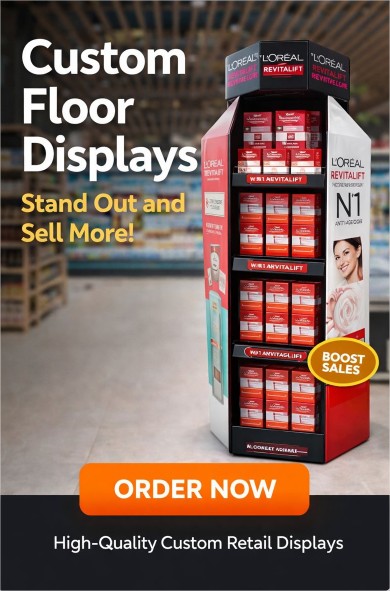
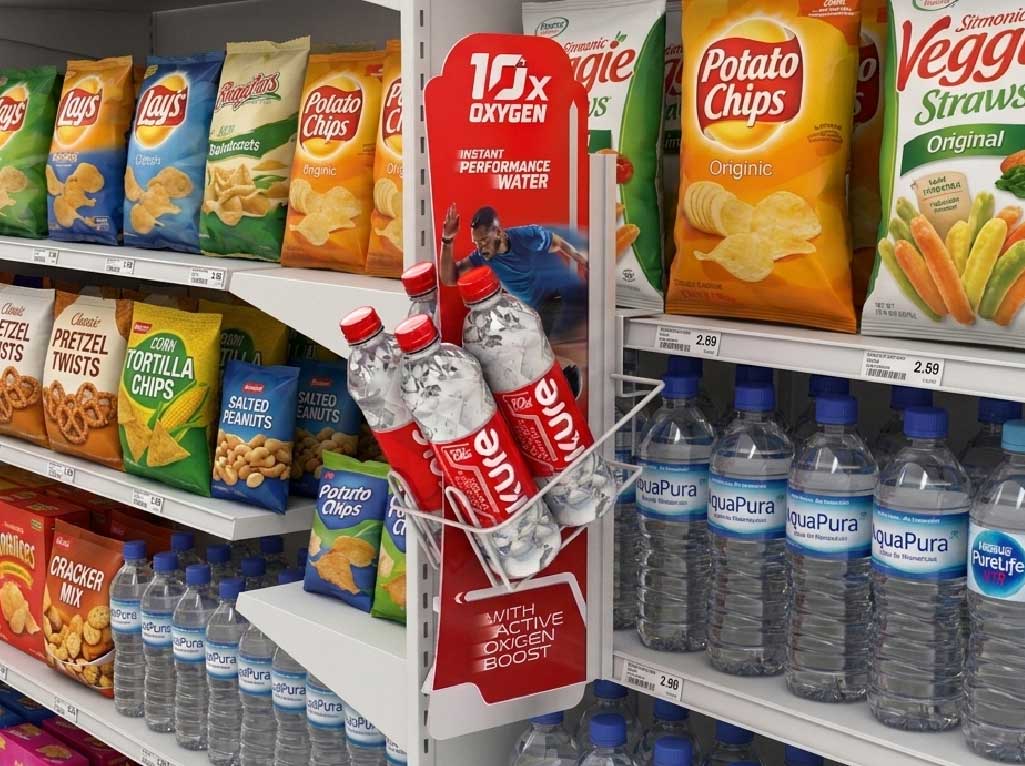
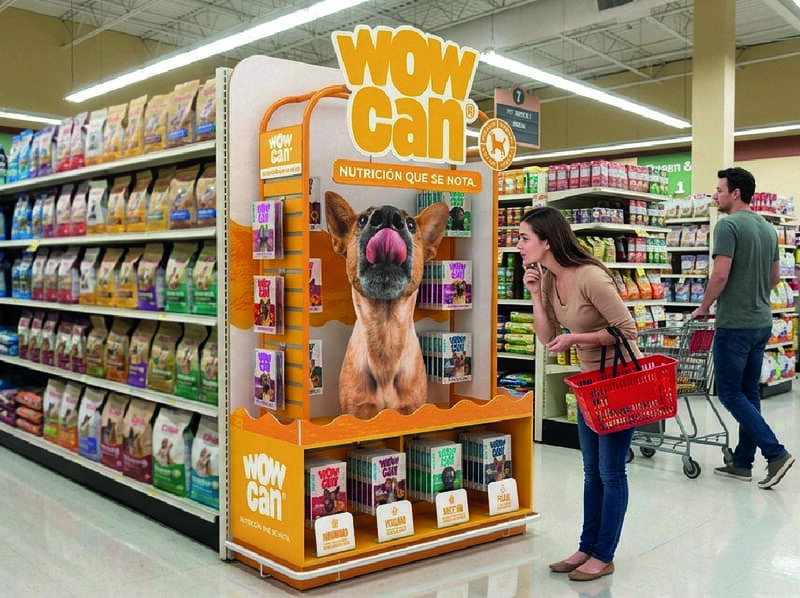
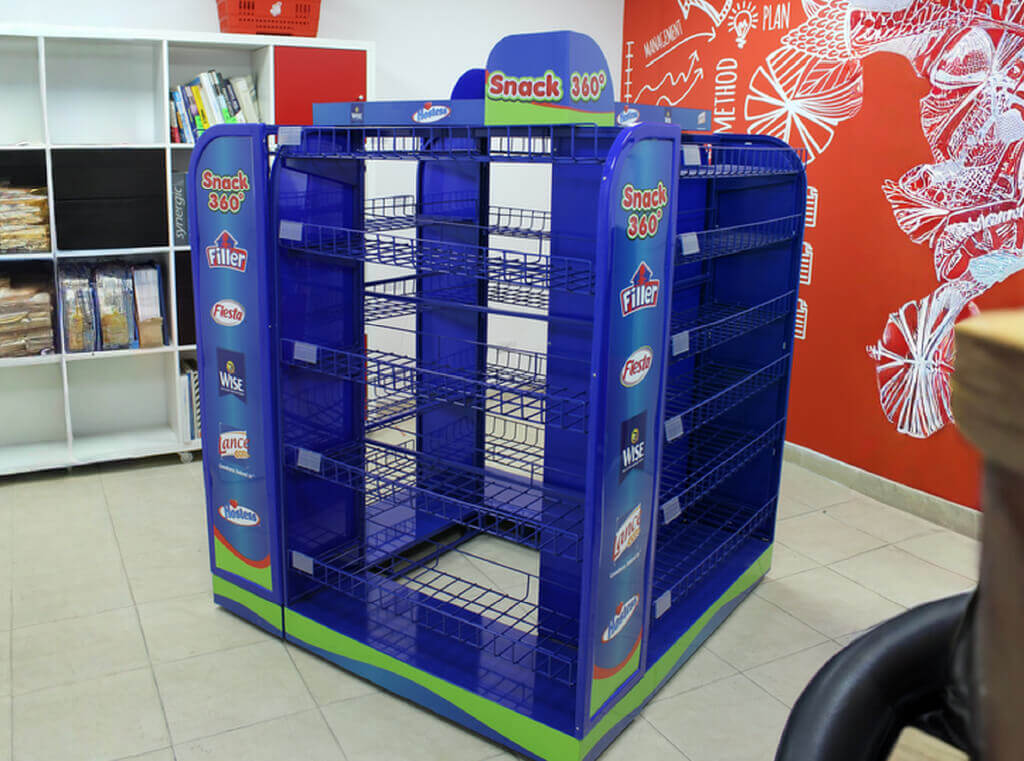
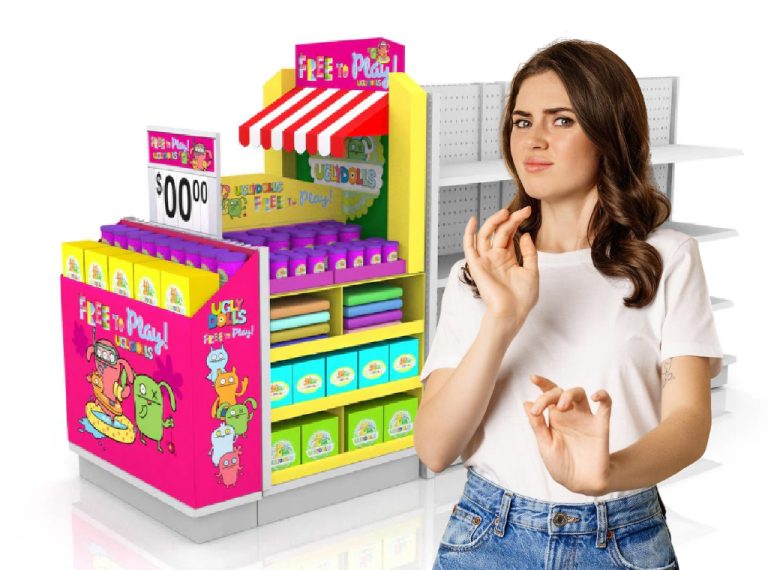
This is where your brief becomes technical, and where many brands lose time by being vague. Your custom retail display specifications should include the following at minimum: the display type you are targeting (floor display, counter display, end cap, dump bin, pallet display, or siderack), the footprint dimensions and height restrictions dictated by the retailer, the number of SKUs to be housed and the product weight load per shelf, and the primary materials you expect to be used, whether that is corrugated cardboard, metal wire, acrylic, or a combination.
If you have reference images of displays you admire or dislike, include them. Visual references save days of misaligned proposals.
Quantities, timelines, and logistics
Quantity expectations shape everything about the manufacturing approach. A production run of 50 units is handled differently than a run of 5,000. Be explicit about your minimum order quantities, your ideal delivery date, and whether you need the displays to be assembled or flat-packed for shipping.
If your campaign launches in multiple countries or retail banners simultaneously, communicate that upfront. Logistics complexity affects pricing, lead times, and quality control processes.
How to Communicate With Display Suppliers the Right Way
How to communicate with display suppliers is as much about process as it is about content. Establish a single point of contact on your side. Suppliers work best when they are not receiving conflicting instructions from marketing, procurement, and trade marketing simultaneously.
Schedule a kickoff call with your manufacturer before any designs begin. This call is your opportunity to walk through the brief verbally, answer questions in real time, and align on the approval workflow before the structural design phase starts. At Diforma Group, this co-creation process is built into the project methodology because experience shows it consistently produces better outcomes than asynchronous communication alone.
When reviewing proposals, be specific with your feedback. “This does not feel right” sends a designer back to the beginning. “The brand zone on the header panel needs to be 40% larger and the shelf dividers should be spaced for 200ml bottles” moves the project forward.
The Display Manufacturer RFQ Process Explained
The display manufacturer RFQ process begins the moment your brief is complete, not before. Releasing an RFQ without a finalized brief invites non-comparable proposals and wasted quoting effort on both sides.
When issuing your custom display procurement process documents, include your complete brief alongside the commercial request. Ask suppliers to confirm they have read and understood all specifications before submitting a quote. Request that each quotation specifies materials, construction method, lead time, unit cost at your target volume, and sample costs separately.
Evaluate responses not just on price but on the manufacturer’s questions. A supplier who asks sharp, relevant clarifying questions understands your project. A supplier who simply submits a number without questions may be making assumptions that will surface as problems later.
Common Scenarios Where a Clear Brief Changes the Outcome
Consider a trade marketing team launching a floor display for a new confectionery brand across 600 supermarkets. Without a detailed brief specifying the retailer’s maximum footprint and the product’s weight per shelf, the first structural sample collapses under a full load. The project is delayed three weeks while the manufacturer rebuilds the structural design.
With a proper retail display design brief that includes load-bearing requirements, retail placement guidelines, and reference images from the specific chain, that same project moves from brief to approved sample in under two weeks. The display ships on time, assembled in-store without incident, and the campaign launches as planned.
That is not a hypothetical. It is the kind of scenario that separates brands with mature custom display production guidelines from those still learning through expensive mistakes.
Building a Brief That Actually Gets Used
Start with a one-page summary covering campaign context, display type, and launch date. Follow with a technical specifications page covering dimensions, materials, SKU count, and weight load. Attach a logistics page with quantities, delivery location, and packaging requirements. Include a brand guidelines document or link.
Create this as a reusable point of sale display brief template within your organization. The more your team uses it, the faster and more reliable your briefing process becomes across every campaign, every season, and every retail channel.
The Difference Between a Vendor and a Strategic Partner
The goal of mastering how to source custom displays is not just cost reduction. It is finding a manufacturing partner who understands the retail environment as well as you do, who pushes back when your specifications will compromise in-store performance, and who can scale production as your brand grows across markets.When you approach Diforma Group with a complete, well-structured custom POP display requirements document, you accelerate the entire project cycle and unlock the full creative and structural expertise of a team with over 27 years of experience working with global FMCG brands across 18 countries. A better brief does not just improve the display. It improves the entire partnership.