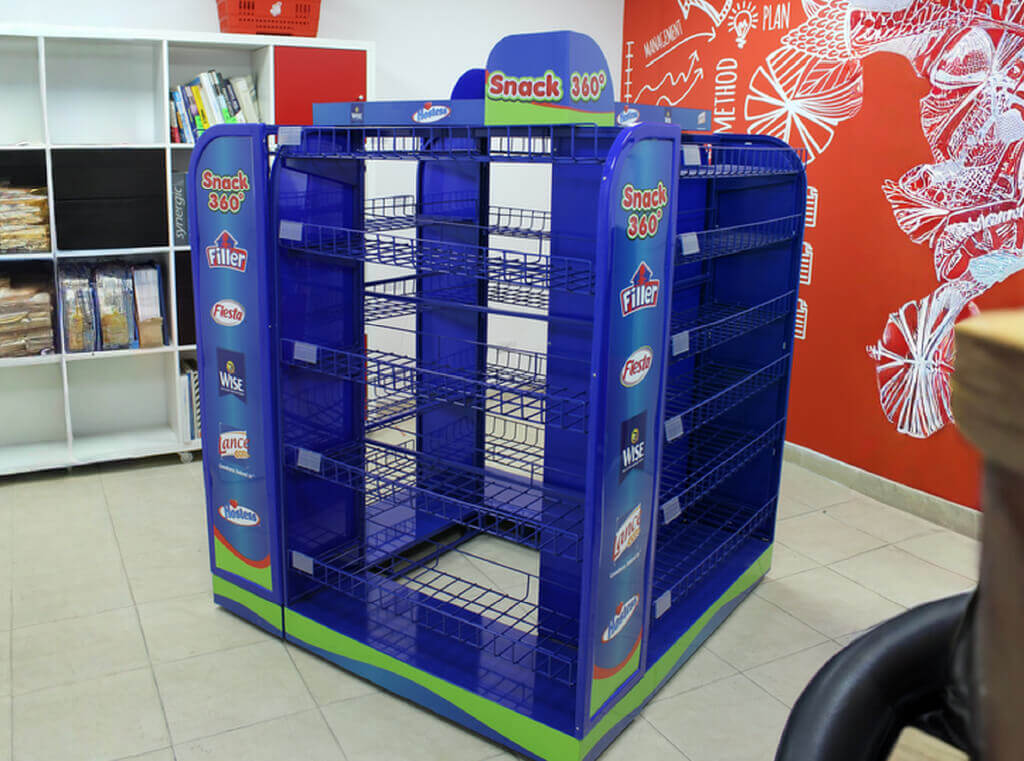
The main mistakes brands make when choosing a point-of-purchase display agency include focusing only on price, ignoring retail expertise and prototyping, underestimating custom design, and overlooking logistics and strategic support. Selecting an agency that combines design, retail knowledge, and execution ensures displays that not only look good but also perform, connect with shoppers, and drive sales.
The most common mistakes brands make when choosing a point of purchase displays partner are deciding on price alone, ignoring real retail experience, skipping prototyping, treating design as decoration, and picking the wrong material for the campaign. The agencies that perform combine design, retail knowledge, production and logistics under one roof.
In mass consumption, attention is short and shelf space is gold. The retail display manufacturers you choose will decide whether your product interrupts the shopper or disappears into the aisle. POP displays are still one of the highest impact visibility tools in FMCG, yet many brands buy them the way they buy office supplies.
That is where the money leaks. If you are building visibility programs across chains and formats, it helps to see how in store merchandising solutions are designed before production even starts. Here are the eight mistakes we see most often, and what to do instead.
1. Choosing on price instead of return
The false economy of the lowest quote per unit
It is tempting to award the project to the cheapest bid. But cost per unit says nothing about sell out. A display that saves you fifteen percent and delivers zero uplift is the most expensive thing in your trade budget.
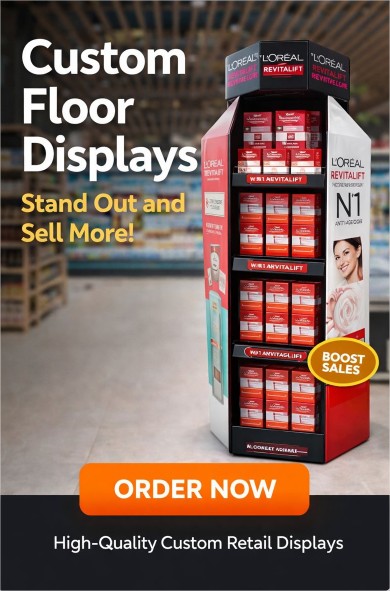
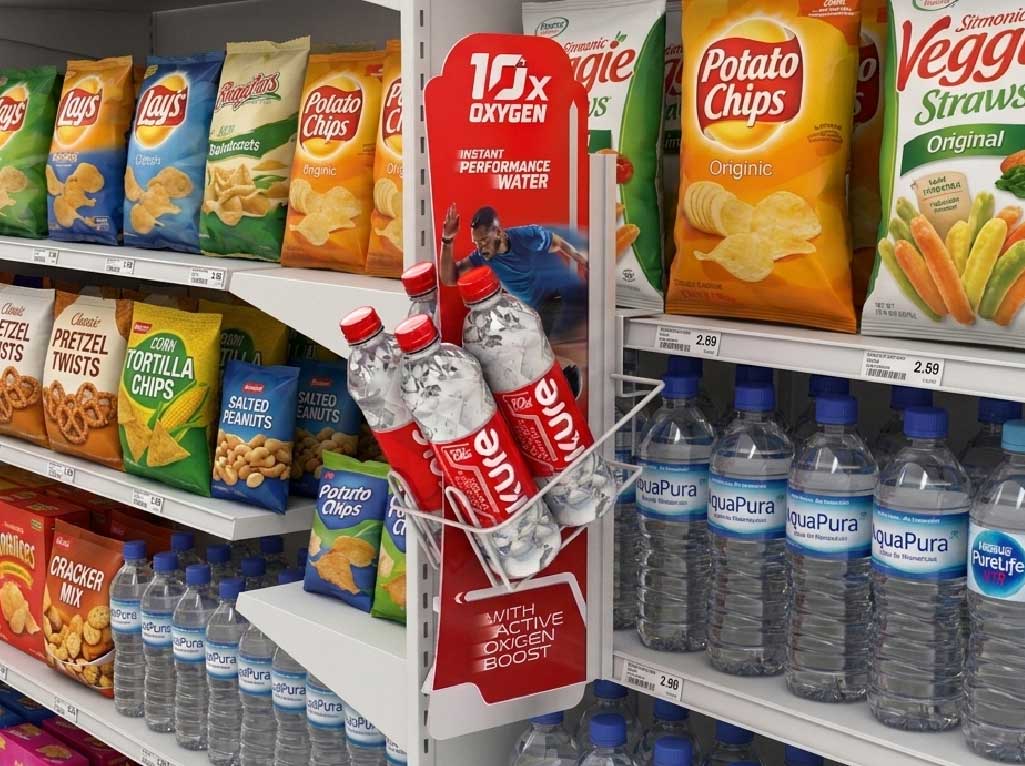
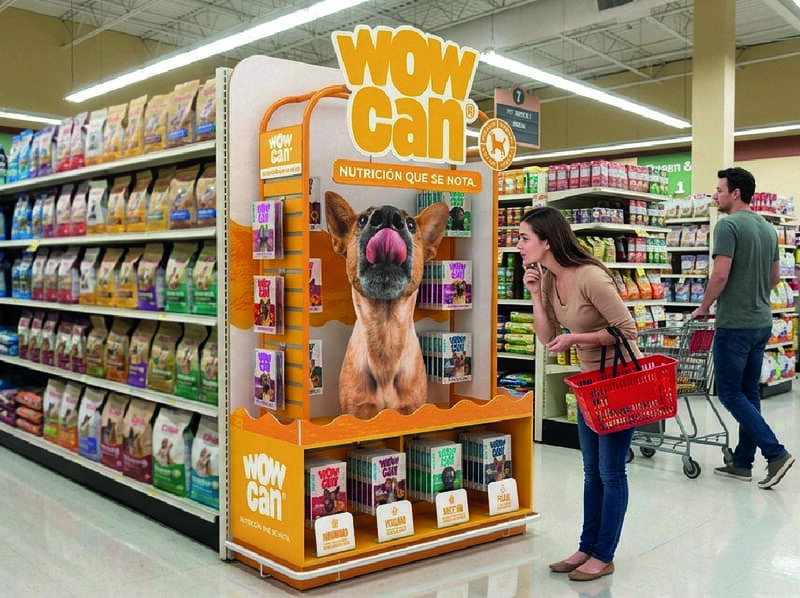
Well designed custom retail displays do more than hold product. They interrupt, inform and convert. When the agency understands shopper behavior, the display becomes a sales asset rather than a line item.
What to do instead: ask the agency to explain how the design drives conversion, and agree on how you will measure rotation once the units hit the floor.
Custom Retail Display Manufacturers
Ready to boost in-store impact?
Let’s design a customized POP display that makes shoppers stop, look, and buy. From concept to production, we bring your brand to life at the point of sale.
Tell us your product, retail channel, and campaign timeline — we’ll recommend the best display format.
What you’ll get
- Display concept aligned with your brand
- Material & structure recommendations
- Production-ready plan and timeline
2. Hiring retail display manufacturers with no real retail experience
Not every fabricator knows the rules of the shelf
Some suppliers are excellent at fabrication and completely lost in a supermarket. The result is a piece that looks strong in a render and gets rejected at the store entrance.
Modular requirements, safety standards, planogram compatibility and the merchandising rules of global chains are not details. They are the difference between a program that ships and one that sits in a warehouse.
What to do instead: ask for implementations in the specific chains, formats and countries where your brand competes.

3. Skipping prototyping on custom retail displays
A mockup costs less than a failed production run
Moving straight into mass production without validating the concept is how brands discover, too late, that the shelf is too deep, the header blocks visibility or the assembly takes three people.
Prototyping is strategic, not administrative. It lets you test impact, ergonomics, load capacity and shopper interaction before you commit volume.
What to do instead: work with partners who include rapid prototyping as standard practice, not as an extra charge.
4. Treating custom design as decoration
One size fits all does not work at the point of sale
A generic unit will hold product. A display built around your brand codes creates recognition and emotional connection. Design here is storytelling, not styling.
The best point of sale displays translate your positioning into three seconds of shopper attention. Color, height, materials and hierarchy all carry meaning before a single word is read.
What to do instead: brief your agency on brand strategy and shopper journey, not only on dimensions and quantities.
5. Choosing the wrong material for the campaign
Cardboard, corrugated or permanent is a strategic decision
This is the mistake almost nobody talks about. Brands often order a permanent metal unit for a six week promotion, or cardboard display stands for a program meant to last a year.
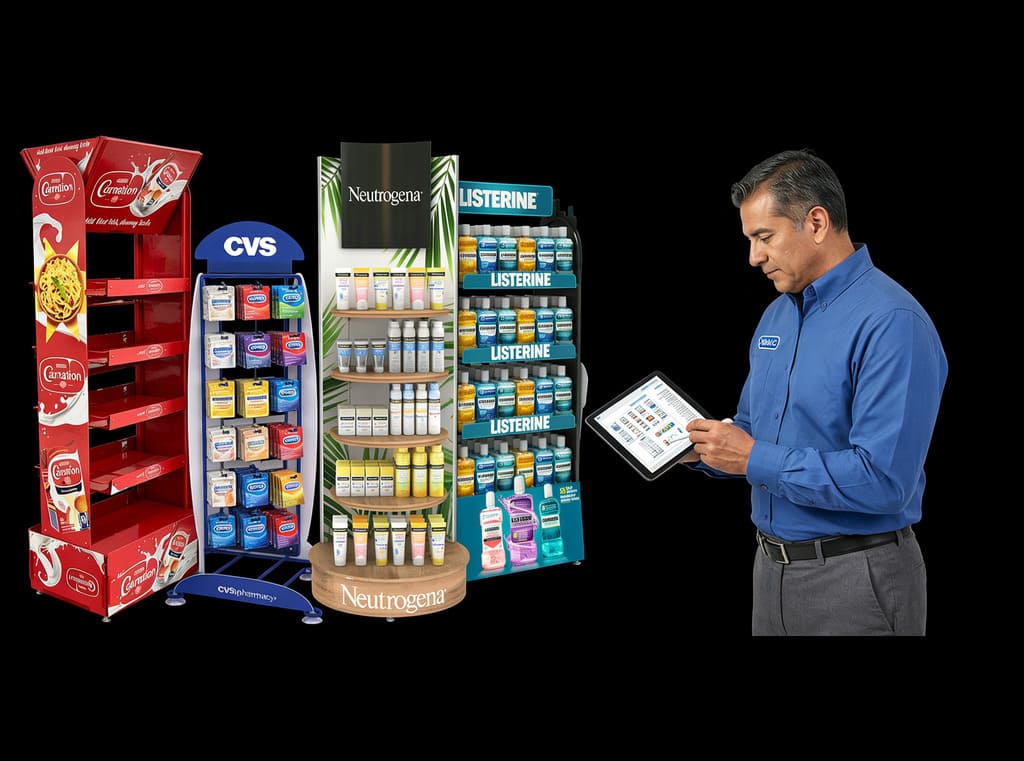
Corrugated displays are ideal for seasonal activations, launches and high rotation promotions because they are light, fast to produce, easy to assemble and cost efficient at volume. Permanent structures make sense when you are defending a category space over time. The right answer depends on campaign duration, store traffic, transport conditions and how many times the unit will be restocked.
What to do instead: define the lifecycle of the activation first, then let the material follow the objective.
6. Working with vendors instead of strategic partners
A supplier delivers. A partner co creates.
Many brands treat display production as procurement. The brands that win at retail treat it as marketing. A strategic partner challenges the brief, brings category insight and optimizes after deployment.
What to do instead: choose a partner who speaks the language of trade marketing, not only of quotations.

LA BOULANGERE FLOOR DISPLAY

BRIANNAS FLOOR DISPLAY

BORGES FLOOR DISPLAY

Milo Floor Display

Fernleaf DUMP BIN DISPLAY

French Brioche Floor Display
7. Overlooking logistics and installation
Your display does not live in a workshop
Weight, packaging, assembly time, transport volume and store layout compatibility must be designed into the piece from day one. A brilliant structure that needs tools to assemble will never be installed correctly across hundreds of stores.
What to do instead: review the assembly and distribution plan in the same meeting where you approve the design.
8. Forgetting the fundamentals of marketing
It is a brand experience, not a structure
In a market dominated by performance metrics, it is easy to forget that the shelf is still where preference is built. Visibility, emotion and memorability happen physically, in front of the product.
What to do instead: evaluate your displays as storytelling platforms that invite action, not as furniture.
Choose a partner that builds more than displays
Success in retail visibility does not come from cutting corners. It comes from combining design, strategy, production and logistics into one process, with a team that has done it across markets and categories.
With more than twenty years of international experience in POS solutions for FMCG brands, Diforma Group designs displays around how they perform, not only how they look.
Ready to build in store visibility that actually moves product? Talk to the Diforma Group team about your next activation.
Frequently asked questions
How long does it take to produce custom POP displays?
Timelines vary by material and volume. Corrugated programs move faster than permanent structures, and prototyping usually adds one to two weeks that save far more time later.
When should you use corrugated displays instead of permanent ones?
Use corrugated for promotions, launches and seasonal peaks under three months. Choose permanent structures when you need to hold category space long term.