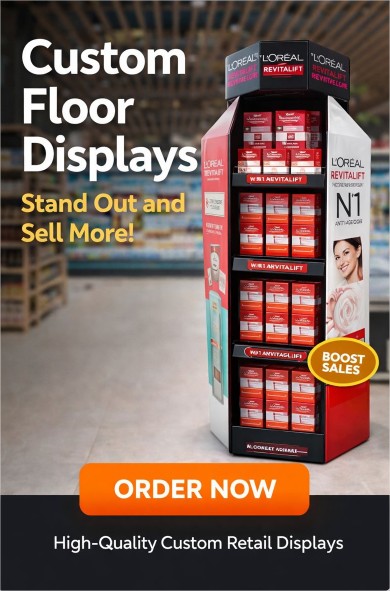
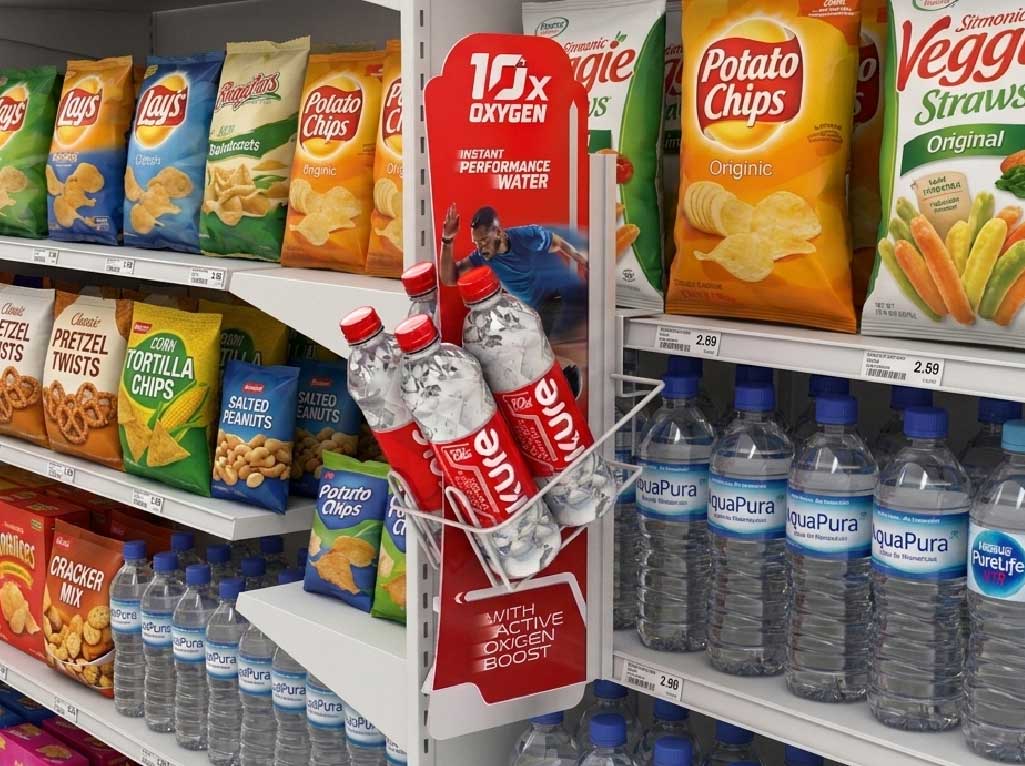
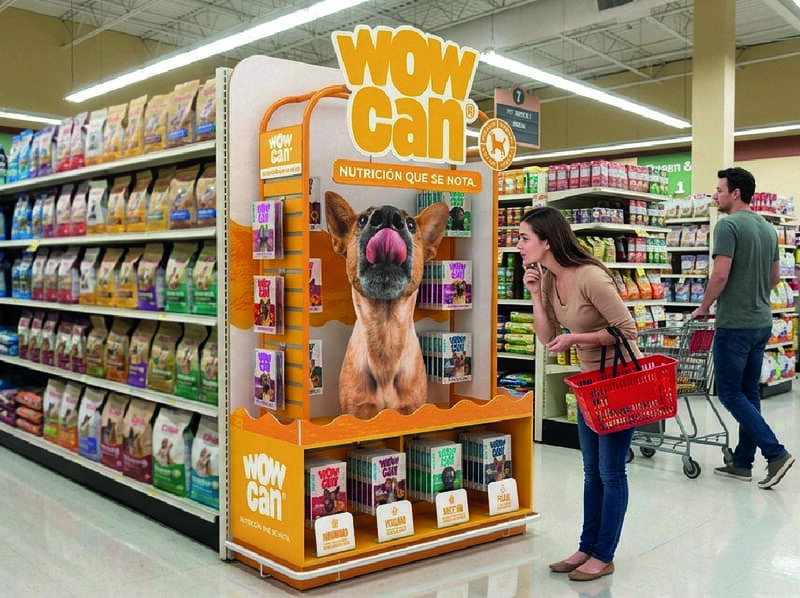
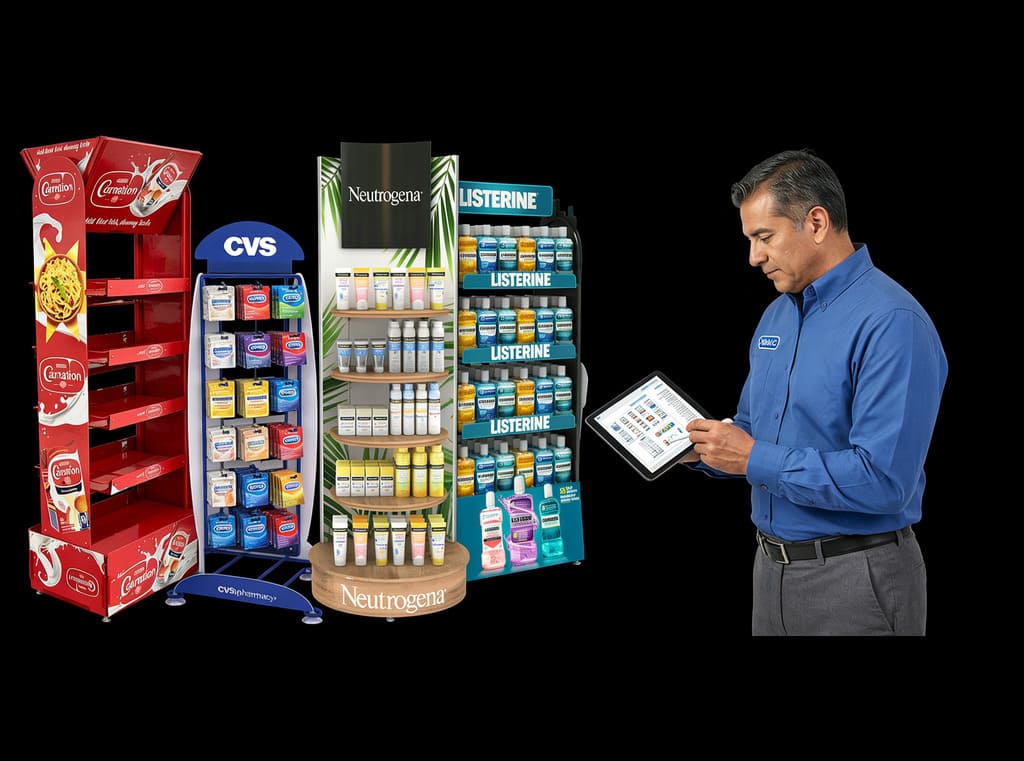
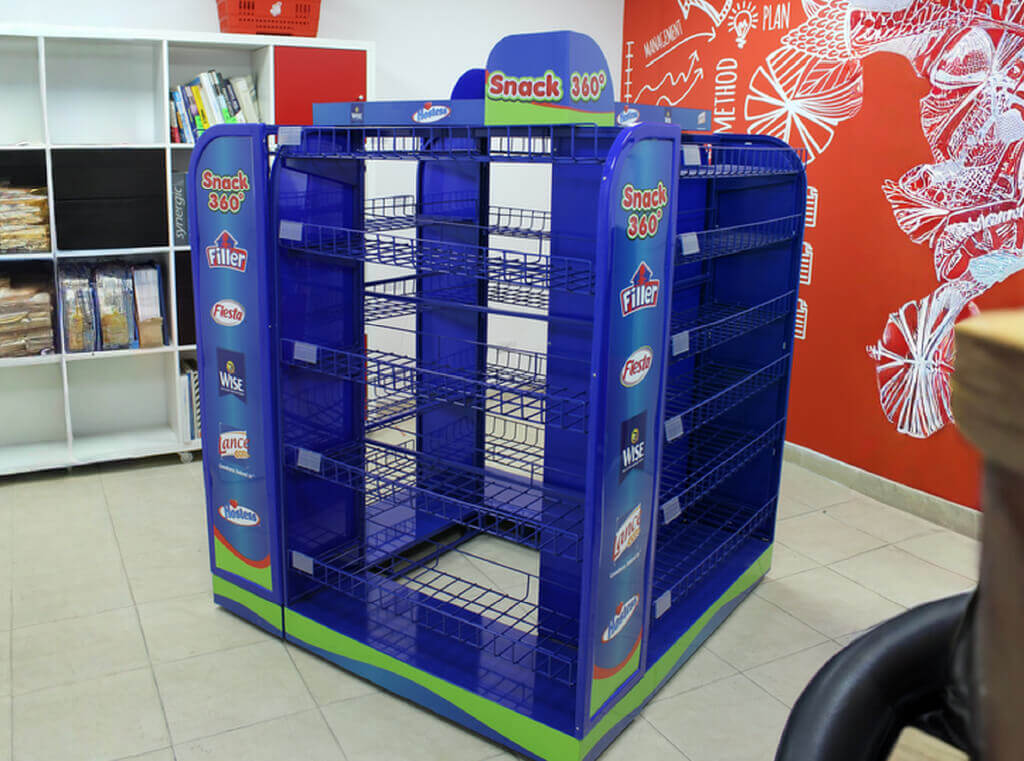
A temporary experiential pallet display is a short-term, pallet-based retail display designed to create an interactive and immersive brand experience. By combining high-traffic placement with engaging visuals and hands-on elements, it captures attention, influences shopper behavior, and drives impulse purchases—making it ideal for launches, promotions, and seasonal campaigns.
A temporary experiential pallet display is a short term, pallet based retail unit designed to create an interactive brand experience instead of just holding stock. It combines high traffic placement with immersive visuals and hands on elements to capture attention, shift shopper behavior and trigger impulse purchases. It works best for launches, seasonal peaks and promotional windows.
Retail floors are crowded, attention spans are short and your category shelf looks almost identical to your competitor’s. That is exactly the gap this format fills: it pulls your brand out of the aisle and into a space where the shopper actually stops.
If you manage trade marketing or brand activation for a consumer goods company, this format sits inside the wider family of custom point of purchase displays that Diforma has been engineering for FMCG brands across international markets for more than two decades. Understanding when to use it, and when not to, is what separates a display that sells from one that just occupies floor space.
Custom Retail Display Manufacturers
Ready to boost in-store impact?
Let’s design a customized POP display that makes shoppers stop, look, and buy. From concept to production, we bring your brand to life at the point of sale.
Tell us your product, retail channel, and campaign timeline — we’ll recommend the best display format.
What you’ll get
- Display concept aligned with your brand
- Material & structure recommendations
- Production-ready plan and timeline
What makes a pallet display “experiential”
A temporary pallet display is a short term unit built to promote a product or campaign, placed in high traffic zones such as entrances, main aisles or promotional corridors. It sits directly on a pallet, which means fast transport, fast assembly and fast rotation across multiple stores.
The experiential layer is what changes the outcome. Instead of stacking product and adding a header, the structure integrates elements that invite interaction: tactile finishes, product sampling zones, motion, lighting, QR codes linked to content, or a small demonstration space.
The logic is simple. A shopper who touches, tests or explores your product stays longer in front of it. Longer dwell time raises the probability of conversion. That is the core principle behind experiential marketing applied to the point of sale.
These units are built to be assembled quickly, live for a defined campaign window and be removed without disrupting store operations. That temporary nature is a feature, not a limitation.
Where pallet displays fit inside your in store strategy
Not every objective needs the same structure. Floor displays, counter units, sidekicks and pallets each solve a different commercial problem, and confusing them is one of the most common briefing errors we see.
A pallet display is your tool when you need volume, visibility and speed. It carries significant stock, it occupies a large visual footprint and it can be replicated across dozens of stores in the same week. Compare that to a counter unit, which is designed for low volume impulse items near the till, or a permanent floor display, which is built to live in store for months.

Well designed in-store displays do three things at once: they interrupt the shopper journey, they communicate a single clear message and they make the product easy to grab. If your unit only achieves one of the three, it will underperform.

LA BOULANGERE FLOOR DISPLAY

BRIANNAS FLOOR DISPLAY

BORGES FLOOR DISPLAY

Milo Floor Display

Fernleaf DUMP BIN DISPLAY

French Brioche Floor Display
How experiential displays influence shopper behavior
Shoppers navigate stores on autopilot. Most of the aisle is visual noise they have learned to filter out. A pallet display placed outside the natural category location breaks that pattern, and pattern interruption is the first requirement of any shopper marketing action.
Once you have the interruption, the experiential elements do the rest of the work. A dairy brand launching a new format can let shoppers taste it right there. A personal care brand can let them feel the texture. A beverage brand entering a new market can use the display to explain a benefit that the pack alone cannot communicate in three seconds.
This is why the format performs especially well for new product introductions. You are not just asking for a purchase, you are asking for a first trial, and trial requires context that a standard shelf facing simply cannot provide.
There is also an operational benefit that trade teams appreciate. Because the unit ships flat or pre packed and assembles in minutes, store staff adopt it instead of resisting it. A display that never gets built correctly is a budget line that produced nothing.
Retail display ideas that make a temporary pallet work harder
Strong retail display ideas usually come from a clear commercial trigger, not from aesthetics. A few that consistently deliver:
Seasonal storytelling. Build the structure around the occasion rather than the product, so the display becomes the reason for the purchase.
Cross merchandising. Place two complementary products from your portfolio in the same unit and increase basket value without extra media spend.
Launch theater. Combine sampling, a demonstration zone and a QR code linked to a recipe, tutorial or promotion, so the physical touchpoint continues in the shopper’s phone.
Modular scalability. Design one structure with interchangeable graphic panels so the same base serves three campaigns across the year, reducing your cost per activation.
Questions to ask before you brief your next display
A better brief produces a better result. Before you approve a design, answer these:
How does the unit fit the layout, aisle width and traffic flow of each store format you negotiated?
What specific action do you want the shopper to take in front of it?
How will the unit be assembled in store, by whom, and in how many minutes?
Which materials support both your brand identity and the resistance the unit needs for the full campaign window?

How will you measure success, and against what baseline?
That last question is the one most brands skip. Define your metrics before production: sell out per store, uplift versus the same period without display, trial to purchase conversion at sampling points, and cost per incremental unit sold.
You may be interested in: What are retail window displays?: Guide to understand
Turning a display into a measurable commercial asset
A temporary experiential pallet display is not a decoration budget. It is a distribution and conversion tool that puts your brand in front of shoppers at the exact moment the purchase decision happens.
When the structure is engineered for real store conditions, produced with materials that hold up through the campaign and designed around a single clear shopper action, the return shows up in sell out data, not just in photos from the field.
If you are planning a launch, a seasonal push or a visibility campaign across multiple retail chains, the smartest next step is to align the format with your commercial objective before anything goes into production. That is the conversation worth having first.