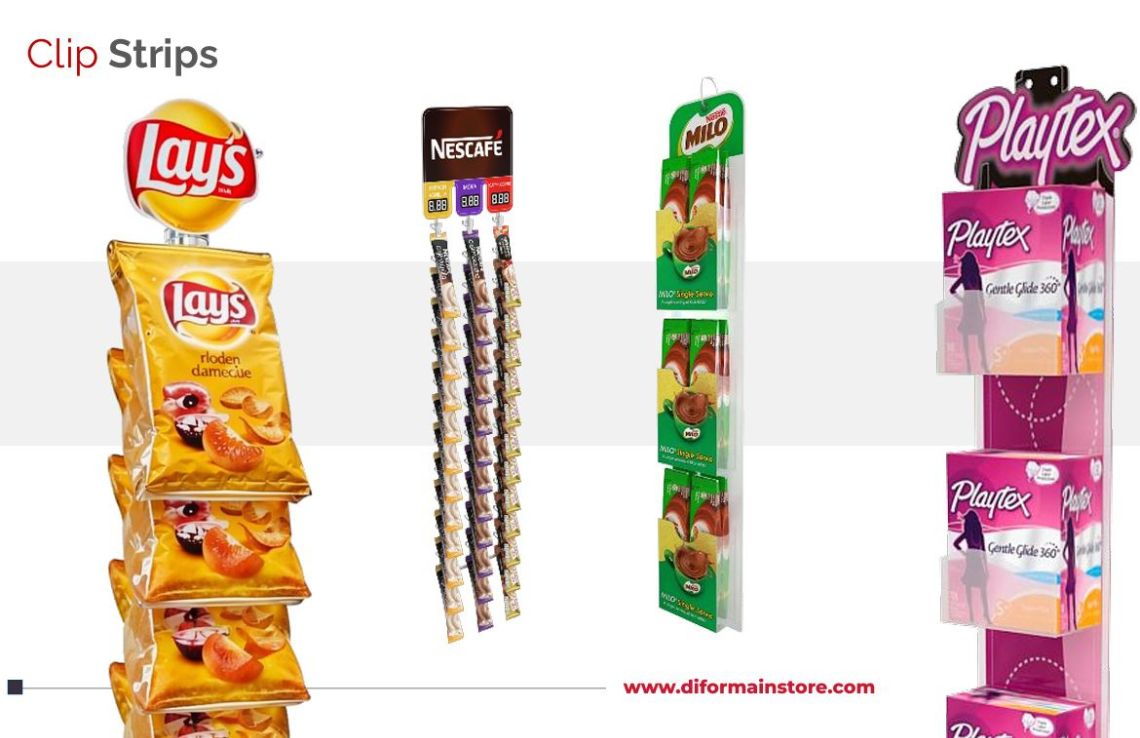
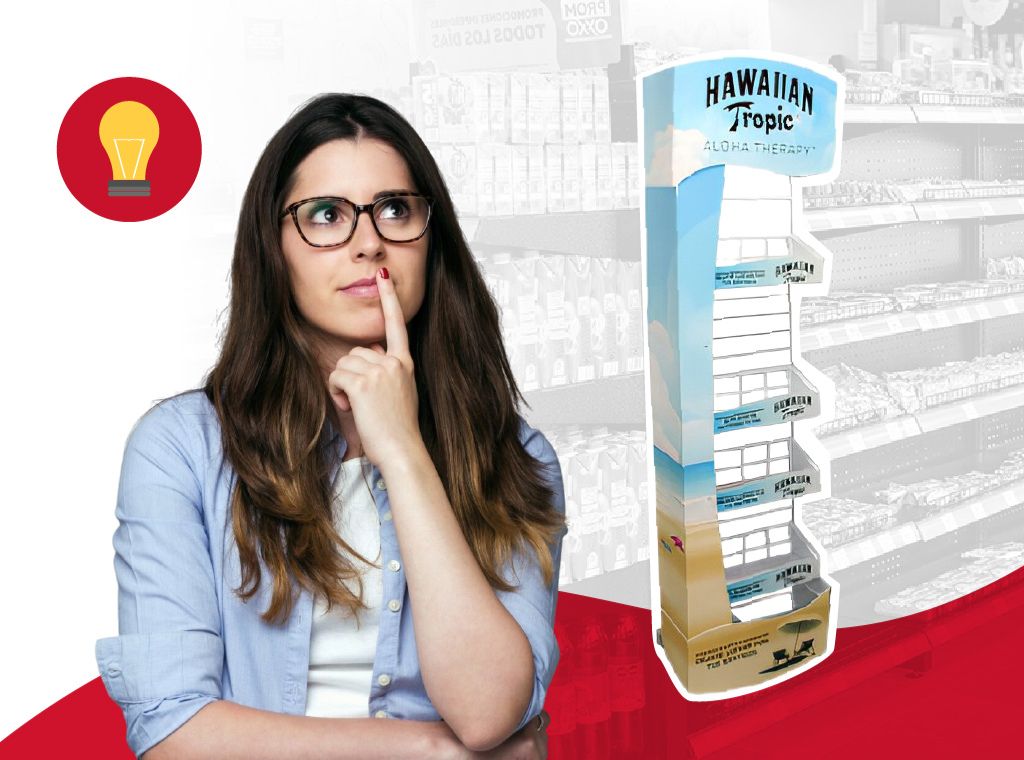
The differences between side rack display and sidekick display come down to structure, placement, and retail function: a side rack display offers vertical, higher-capacity exposure along aisles, while a sidekick display is compact, impulse-driven, and attached to gondola ends. Choosing the right option depends on traffic flow, product size, and in-store objectives.
A clear, practical guide for smarter in-store decisions
In retail environments where every square meter matters, choosing the right display format can directly influence visibility, shopper interaction, and sell-through. Understanding the side rack display vs sidekick display debate isn’t about trends—it’s about selecting the structure that best supports how customers move, stop, and buy inside a store.
This guide breaks down the comparison between side rack and sidekick display with a practical, retail-focused lens—no theory overload, no fluff. Just clarity.
What Is a Side Rack Display?
(what is a side rack display, side rack display definition, side rack display meaning)
A side rack display is a vertical merchandising structure designed to sit along the side of gondolas or aisles. It extends upward rather than outward, offering multiple hooks, shelves, or tiers for product presentation.
In simple terms, retail side rack display explained: it maximizes vertical space without interrupting aisle flow.
From a functional standpoint, the side rack display meaning is tied to organization and capacity. These displays are commonly used when brands need to show variations—sizes, flavors, colors—while keeping products accessible and visible at eye and hand level.
What Is a Sidekick Display?
(what is a sidekick display, sidekick display definition, sidekick display meaning)
A sidekick display is a compact unit that attaches to the side of a gondola endcap. Unlike a side rack, it projects outward, positioning products directly in the shopper’s peripheral vision.

Put simply, retail sidekick display explained: it is designed to interrupt routine shopping behavior and trigger impulse decisions.
The sidekick display meaning revolves around immediacy. It’s not about depth of assortment—it’s about grabbing attention fast, often with fewer SKUs and a lighter structure.

LA BOULANGERE FLOOR DISPLAY

BRIANNAS FLOOR DISPLAY

BORGES FLOOR DISPLAY

Milo Floor Display

Fernleaf DUMP BIN DISPLAY

French Brioche Floor Display
Side Rack Display vs Sidekick Display: Structural Differences
(side rack display design differences, sidekick display design differences)
When evaluating side rack display vs sidekick, structure is the first clear divider.
A side rack display structure is tall and narrow, built to integrate seamlessly with shelving systems. It feels permanent, stable, and aligned with store architecture.
In contrast, the sidekick display structure is smaller, lighter, and intentionally protrusive. It’s engineered to stand out rather than blend in.
These side rack display design differences and sidekick display design differences directly affect how shoppers perceive products—either as part of an organized category or as a spontaneous find.
Features and Characteristics That Define Each Option
(side rack display features, sidekick display features, side rack display characteristics, sidekick display characteristics)
Side rack display characteristics include higher load capacity, vertical scalability, and long-term placement. Typical side rack display features support structured merchandising and consistent restocking.
On the other hand, sidekick display characteristics focus on agility. Lightweight frames, quick installation, and limited product count define common sidekick display features.
This distinction matters when planning campaigns versus permanent in-store layouts.
Placement in Retail Stores: Where Each One Works Best
(side rack display placement in store, sidekick display placement in store)
Side rack display in retail stores is most effective along high-traffic aisles where shoppers already expect product browsing. The side rack display placement in store supports discovery without obstruction.
Meanwhile, sidekick display in retail stores shines at decision points—near aisle intersections, endcaps, or checkout approaches. The sidekick display placement in store leverages proximity and surprise.
This is a key element in any sidekick display vs side rack decision.

Use Cases: Choosing Based on Retail Goals
(side rack display use cases, sidekick display use cases)
Understanding when to use a side rack display comes down to assortment and continuity. These displays are ideal when brands need visibility for multiple SKUs over time.
Common side rack display use cases include accessories, packaged goods, or complementary products that benefit from side-by-side comparison.
Knowing when to use a sidekick display is about timing and impulse. Limited promotions, seasonal items, or add-on products thrive here.
Typical sidekick display use cases focus on short-term activation rather than long-term organization.
Custom Retail Display Manufacturers
Ready to boost in-store impact?
Let’s design a customized POP display that makes shoppers stop, look, and buy. From concept to production, we bring your brand to life at the point of sale.
Tell us your product, retail channel, and campaign timeline — we’ll recommend the best display format.
What you’ll get
- Display concept aligned with your brand
- Material & structure recommendations
- Production-ready plan and timeline
Sidekick Display vs Side Rack: Shopper Interaction
(sidekick display vs side rack)
In the ongoing sidekick display vs side rack discussion, shopper psychology plays a central role.
A side rack display invites exploration. Shoppers slow down, scan vertically, and compare options.
A sidekick display interrupts movement. It prompts quick glances and faster decisions.
Neither is better universally—the effectiveness depends on intent.
Comparison Between Side Rack and Sidekick Display in Real Retail Scenarios
(comparison between side rack and sidekick display, side rack display comparison, sidekick display comparison)
A fair side rack display comparison highlights durability, capacity, and integration.
A balanced sidekick display comparison emphasizes speed, flexibility, and impulse power.
This comparison between side rack and sidekick display shows that the right choice is contextual—not interchangeable.
How These Displays Fit Within a Broader Display Strategy
In modern retail, side displays rarely work alone. Brands often combine side racks, sidekicks, and floor units to guide shoppers through a visual journey.

If you’re exploring modular solutions, reviewing structured systems like those found at
https://diformainstore.com/sided-display-rack/
can help clarify how side rack displays integrate with larger retail environments.
For campaigns requiring scale and presence beyond aisle sides, floor-based solutions such as
https://diformainstore.com/floor-displays/
often complement sidekick activations.
To understand how these elements connect within a cohesive retail strategy, exploring the full ecosystem at
https://diformainstore.com/
provides valuable context.
The differences between side rack display and sidekick display are not subtle—they are strategic. One prioritizes structure and continuity; the other leverages spontaneity and speed.When brands align display choice with shopper behavior, store layout, and campaign goals, in-store communication becomes clearer, stronger, and more effective.