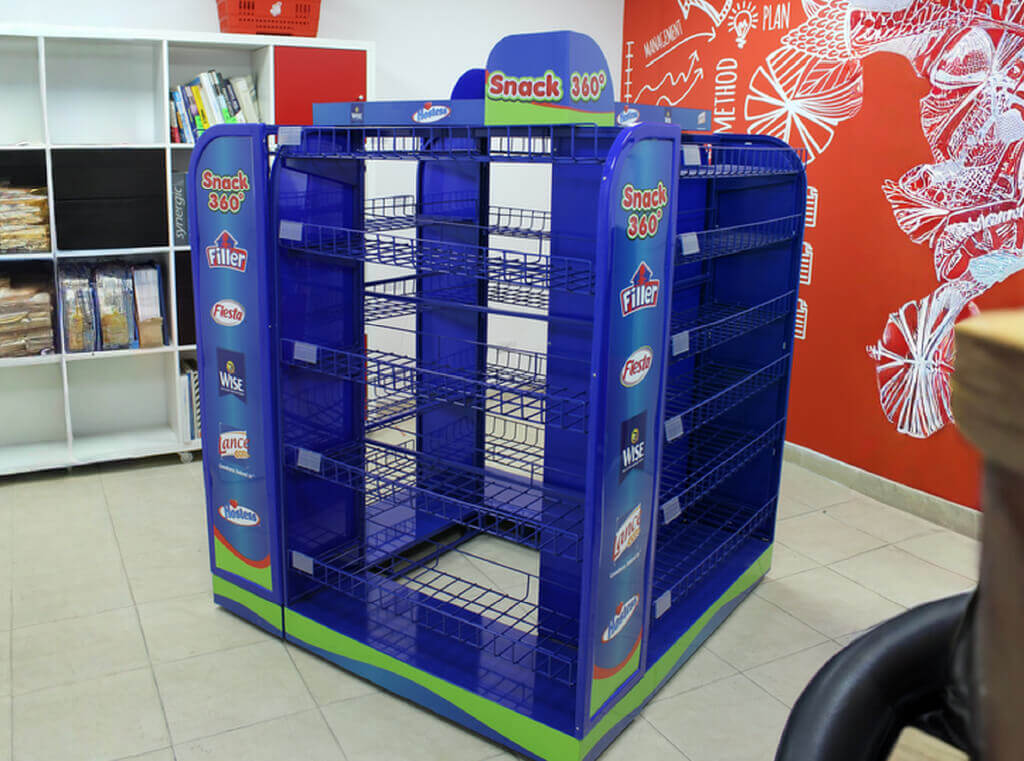
Sustainable custom floor displays help brands reduce environmental impact while strengthening retail presence by using recyclable, biodegradable, and FSC-certified materials. Beyond sustainability, they improve logistics efficiency, enhance brand credibility, and increase opportunities for premium in-store placement.
The rise of retail display strategies that care for the planet
Shoppers today expect brands to stand for something meaningful, and sustainability has become one of the clearest indicators of trust. Retail environments are no exception. Modern companies are replacing traditional plastic or mixed-material units with sustainable floor displays designed to reduce waste, enhance recyclability, and communicate a clear environmental message.
What once was a simple merchandising structure is now a statement. When floor displays incorporate eco-friendly retail displays principles, they influence brand perception long before a consumer picks up a product. This shift has turned display design into part of a brand’s sustainability strategy, not just its marketing strategy.
Turning sustainability into a profitable merchandising advantage
Choosing eco-conscious materials is not only an environmental choice but a financial one. Brands reduce long-term costs through lighter materials, easier transportation, and simplified end-of-life processes. When a display is engineered with recyclable display materials, retailers eliminate complex disposal steps and improve operational efficiency.
More importantly, sustainable displays help brands secure premium retail positioning. Large retailers increasingly prioritize suppliers that demonstrate environmental responsibility. A commitment to environmentally friendly displays can directly enhance shelf visibility and open doors to more competitive placements and partnerships.
Why consumers respond to sustainable displays
A display built using biodegradable display materials sends a powerful subconscious signal. It shows that your brand is taking tangible action, not just claiming eco-credibility through packaging or messaging. Studies consistently show that shoppers prefer to buy from companies with transparent sustainability practices. When the display itself mirrors those values, trust grows.
The visual and tactile experience of a sustainable display communicates authenticity. Natural textures, clean finishes, and responsibly sourced fibers transform the retail moment into a story about commitment and care.
FSC certification and its impact on retail credibility

One of the most important standards in sustainable POP design is the use of FSC-certified cardboard displays. The Forest Stewardship Council regulates responsible forestry practices, and its certification is globally recognized by retailers, procurement teams, and environmentally conscious consumers.
Using FSC-certified cardboard offers several benefits

- Ensures responsible sourcing
- Demonstrates compliance with international sustainability standards
- Reduces the carbon footprint of multi-store rollouts
- Strengthens a brand’s green positioning
This certification is becoming a requirement in many retail programs worldwide, especially in large chains and multinational retailers. It gives brands a competitive edge backed by visible, credible evidence.

LA BOULANGERE FLOOR DISPLAY

BRIANNAS FLOOR DISPLAY

BORGES FLOOR DISPLAY

Milo Floor Display

Fernleaf DUMP BIN DISPLAY

French Brioche Floor Display
The evolution toward holistic environmentally friendly merchandising
Sustainability does not stop at the structure. Packaging, print finishes, assembly components, and even pallet configurations play a role. Brands that adopt eco-friendly packaging and display systems together create a unified message that resonates on every layer of the customer journey.
For example, pairing compostable packaging with sustainable POP displays reinforces consistency. Retailers notice this alignment, and consumers interpret it as commitment rather than convenience. When your sustainability story feels coherent, your brand value increases.
Designing displays that amplify your green marketing message
Sustainability is not just about materials it is also about storytelling. Modern displays integrate visuals and messaging that reflect environmental responsibility. This is where green marketing for retail becomes a powerful tool.
A well-designed display can communicate
- How your product reduces waste
- Your brand’s sustainability journey
- Responsible manufacturing or sourcing processes
- Certifications and environmental commitments
When these messages are embedded into the display itself, the impact becomes immediate and memorable. Customers understand your values without reading long descriptions or searching online.
How sustainable point-of-purchase engineering improves brand recall
A shift toward sustainable point-of-purchase displays supports both environmental performance and consumer psychology. These displays often use warm, natural materials that create a premium aesthetic. They also tend to incorporate simpler, more efficient structural engineering that reduces clutter and puts the product at the center.
In-store, cleaner design equals stronger recall. Sustainable materials reinforce credibility and strengthen the emotional connection between brand and buyer.
Choosing the right materials for responsible display manufacturing
When developing new eco-friendly retail displays, brands should consider factors such as
- Recyclability
- Compostability
- Weight and shipping efficiency
- Print compatibility
- Durability for long-term retail campaigns
Below are the most commonly used sustainable materials in the industry and how they influence the final design
Recyclable cardboard
Ideal for fast-moving consumer goods and promotional displays. Light, durable, and compatible with high-quality printing. Use of recyclable display materials ensures minimal environmental impact.
Biodegradable corrugate and fiberboard
Fully breaks down under natural conditions. Suitable for brands seeking maximum eco-performance with certified materials. Incorporates biodegradable display materials that do not leave harmful residues.
FSC-certified cardboard
Validates responsible forestry management and elevates brand reputation. When a display uses FSC-certified cardboard displays, retailers often prioritize it in merchandising programs.
Compostable plastics and plant-based films
Useful when a display requires transparency or moisture resistance while remaining environmentally conscious.
Recycled PET or reclaimed fibers
An effective way to repurpose existing waste while reducing production footprints.

How sustainable displays support global rollout strategies
Sustainability is now a strategic requirement in international merchandising programs. Lighter materials reduce freight costs, while modular engineering lowers installation time. This makes sustainable solutions ideal for brands operating in multiple markets.
Retailers prefer working with manufacturers that deliver consistent, scalable, and environmentally responsible solutions. When brands adopt environmentally friendly displays, they often experience easier approval processes and faster deployment cycles.
If you need inspiration for structures, printing, or engineering, you can explore options at
https://diformainstore.com/floor-displays/
Integrating sustainability into branded retail experiences
Brands that transition toward sustainable floor displays improve more than their environmental score. They upgrade the retail experience. Shoppers notice clean aesthetics, refined textures, and display structures that feel intentional.
Eco-conscious display design becomes a subtle form of luxury. Minimalist lines and earthy finishes send a message of responsibility and sophistication. This shift in tone helps brands position themselves as modern, thoughtful, and aligned with evolving consumer values.
Why sustainable POP displays outperform traditional solutions

Traditional displays often rely on petroleum-based plastics or multi-material constructions that are difficult to recycle. In contrast, sustainable POP displays simplify the lifecycle. They reduce emissions from sourcing, improve shipping efficiency, and create end-of-life pathways that retailers appreciate.
In addition, sustainable displays support operational goals such as
- Reduced waste disposal fees
- Faster approvals by sustainability departments
- Better alignment with retailer corporate responsibility goals
- Higher shopper engagement
Consumers today do not just evaluate the product they evaluate the system behind the product. When your display reflects responsibility, your product earns a higher perceived value.
How sustainable displays enhance merchandising storytelling
The design process now includes an emotional component. Materials become part of the narrative. Printed textures, natural tones, and minimalistic structures evoke transparency and authenticity.
For example, a display created using eco-friendly retail displays principles might feature
- Neutral earthy colors
- FSC-certified textures
- Messaging about recyclability
- A QR code linking to sustainability documentation
This gives shoppers something meaningful to connect with while encouraging them to choose your brand over competitors.
A unified sustainability strategy across packaging and retail
When brands pair eco-friendly packaging with sustainable display design, the retail presentation feels cohesive. This alignment eliminates contradictions, such as promoting green values while placing products on non-recyclable plastic displays.
A unified strategy leads to stronger brand loyalty and more authentic marketing. Consumers know when a sustainability story feels inconsistent, so this synergy becomes essential.
Practical steps for brands adopting sustainable display solutions
If you want to integrate sustainable merchandising into your operations, here are the steps many leading brands follow
1. Material assessment
Evaluate which recyclable display materials align with your product category, durability needs, and printing requirements.

2. Certification alignment
Consider transitioning to FSC-certified cardboard displays or other globally recognized sustainability certifications.
3. Design for disassembly
Engineering displays so each component can be easily separated improves recyclability and reduces waste.
4. Optimize for logistics
Lighter materials reduce emissions, lower freight costs, and speed up installation cycles.
5. Integrate green storytelling
Your messaging and structure should support green marketing for retail, giving customers an emotional reason to choose your product.
6. Partner with sustainable manufacturers
Work with teams that specialize in sustainable point-of-purchase displays and understand global retailer compliance standards.
Custom Retail Display Manufacturers
Ready to boost in-store impact?
Let’s design a customized POP display that makes shoppers stop, look, and buy. From concept to production, we bring your brand to life at the point of sale.
Tell us your product, retail channel, and campaign timeline — we’ll recommend the best display format.
What you’ll get
- Display concept aligned with your brand
- Material & structure recommendations
- Production-ready plan and timeline
The long-term ROI of sustainable merchandising
Sustainable displays strengthen credibility, reduce operational costs, and improve customer loyalty. They also help brands secure better retail opportunities by aligning with global corporate responsibility goals.
Brands that invest in environmentally friendly displays future-proof their merchandising programs. Sustainability is no longer optional it is a competitive advantage.
Final reflection A future where retail and responsibility coexist

Sustainability will continue shaping how brands show up in physical spaces. From biodegradable display materials to complete sustainable POP displays, the industry is moving toward solutions that reflect care, innovation, and longevity.
Brands that adopt sustainable design today will lead tomorrow’s retail experience. Their displays will not only attract customers but inspire trust, loyalty, and meaningful connection.