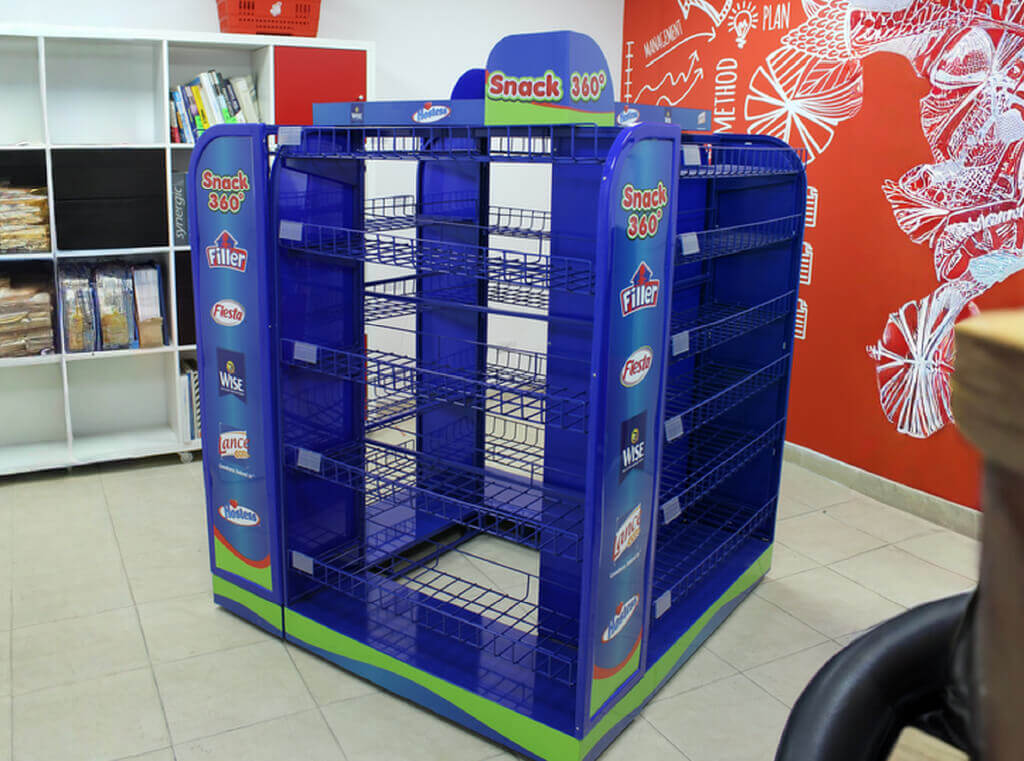
An effective category display highlights personal care products, vitamins, and cosmetics by combining clear messaging, strategic placement, and consumer-focused design. Using end caps, floor displays, and counter displays helps increase visibility, guide shoppers, and communicate product benefits, ultimately driving engagement and higher sales at the point of purchase.
An effective category display highlights personal care products, vitamins, and cosmetics by combining one clear message, deliberate placement, and design built around how shoppers actually decide. Well planned point of purchase displays increase visibility, guide the path to purchase, and communicate product benefits at the exact moment the decision happens.
In beauty, wellness, and health aisles, your product is rarely competing on formula alone. It competes on how quickly a shopper understands what it does. That is a merchandising challenge before it is a marketing one, and it is solved with custom POS displays designed around the category, the retailer, and the mission of the trip.
This guide breaks down how each display format works, when to use it, and what separates a unit that sells from one that simply occupies floor space.
Why personal care, vitamins, and cosmetics win or lose at the shelf
These three categories share a behavior pattern that makes them unusually sensitive to display quality.
Shoppers arrive with intent but without a brand decision. Someone buying a daily supplement knows the need, not the SKU. Someone browsing skincare is comparing claims, textures, and price tiers in a matter of seconds.
They also live in dense environments. Pharmacies, mass retailers, and beauty sections stack dozens of competing options within arm’s reach, so visual hierarchy decides who even gets considered.
Add to that the commercial scale of the categories. Personal care and cosmetics together represent one of the largest recurring spend segments in U.S. retail, and the vitamins and supplements market keeps expanding alongside preventive health habits. High rotation plus high competition means every square foot of retail merchandising displays carries real revenue weight.
Custom Retail Display Manufacturers
Ready to boost in-store impact?
Let’s design a customized POP display that makes shoppers stop, look, and buy. From concept to production, we bring your brand to life at the point of sale.
Tell us your product, retail channel, and campaign timeline — we’ll recommend the best display format.
What you’ll get
- Display concept aligned with your brand
- Material & structure recommendations
- Production-ready plan and timeline
Define one objective before you design anything
The most common flaw in a display brief is asking a single unit to do three jobs at once. Pick the primary one.
Brand recognition
The unit is built to be seen from a distance. Bold color blocking, minimal copy, strong logo presence. This works for launches and for brands entering a new retailer where recall is the barrier.

Education and reassurance
Vitamins and active skincare need proof. Benefits, key ingredients, certifications, and usage guidance reduce hesitation. When there is no associate nearby, the display becomes the salesperson.
Rotation and velocity
Some units exist to move inventory. Seasonal assortments, bundle offers, or slower SKUs pushed to eye level. Here the design prioritizes clarity of offer over storytelling.
Each objective changes materials, footprint, and copy length. A structure designed for recognition and then loaded with paragraphs of ingredient information will fail at both.
Research the shopper, not just the category
Before sketching structure, get specific about who stops in front of the display and why.
If your buyer is a wellness driven shopper choosing organic skincare, the front panel should lead with sourcing and certifications, not with a discount. If your buyer is a caregiver purchasing supplements for a family member, dosage clarity and trust cues matter far more than aspirational imagery.
Experienced custom display companies ask these questions before quoting materials, because the answer determines whether you need a full floor unit or compact product display stands placed near the register.
Retail display ideas that match each shopping mission
The strongest retail display ideas are not the most elaborate ones. They are the ones aligned with how shoppers move through that specific store.
End cap displays: capture attention at the aisle break
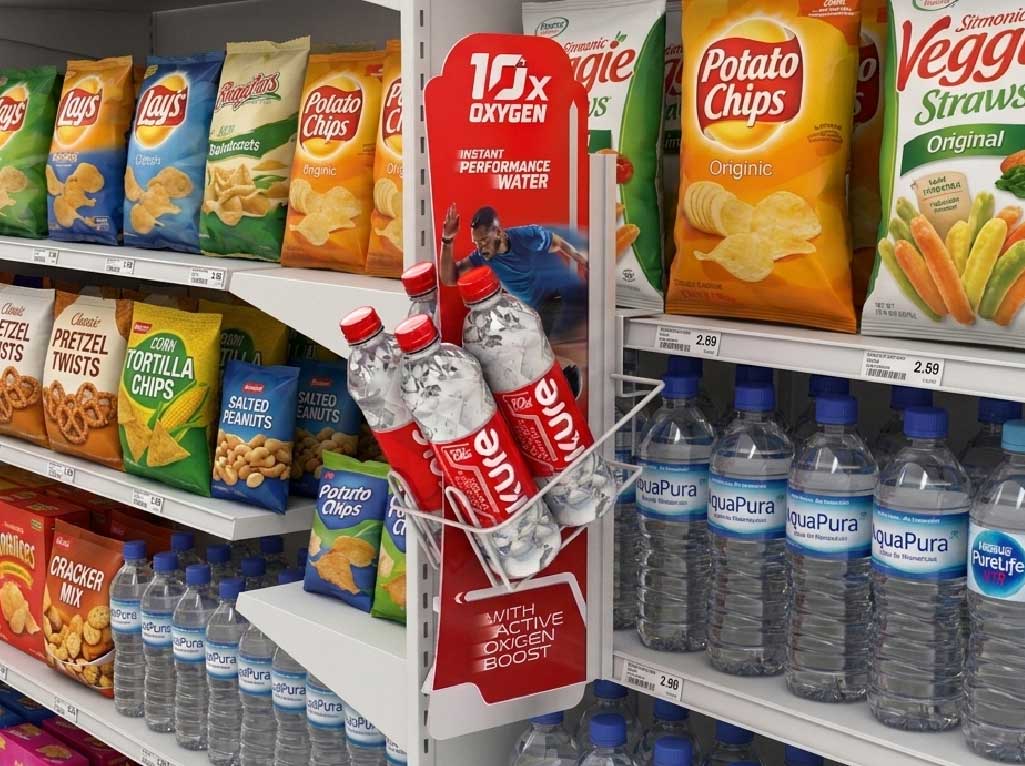
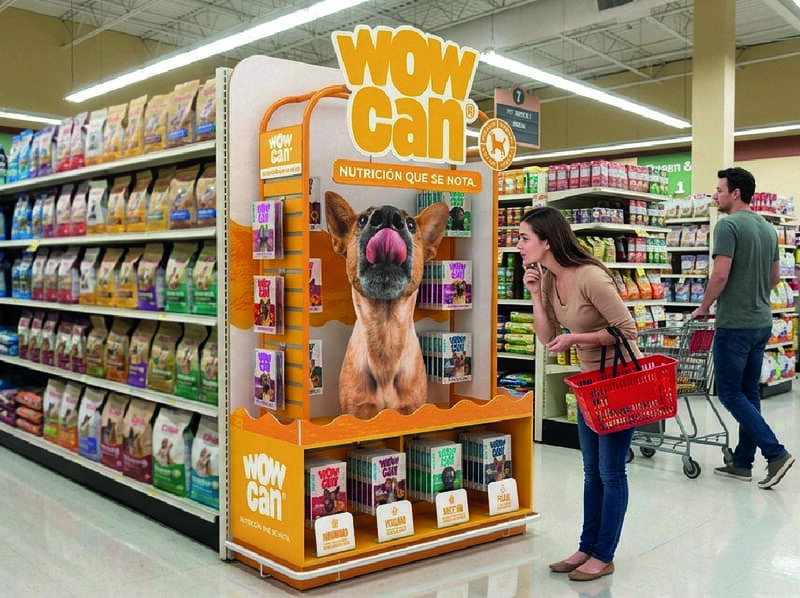
End cap displays sit where traffic naturally slows and turns, which makes them the highest visibility real estate in most stores. Use them for launches, hero SKUs, or a focused range of three to five products. The message should be readable in under three seconds from the main aisle.
Floor displays: give the category room to breathe
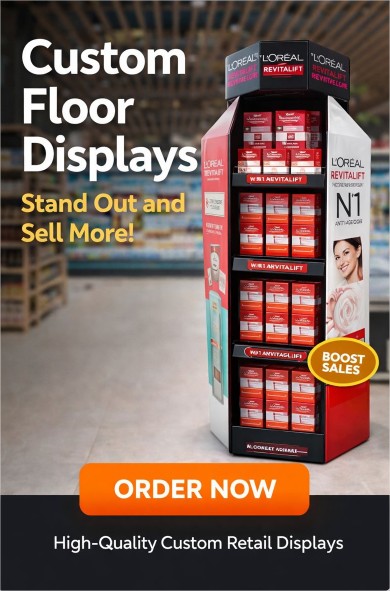
A floor display gives you volume and interaction. Shoppers can pick up products, compare formats, and read claims. A vitamin or supplement display rack performs especially well in this format when the assortment is organized by need, such as immunity, energy, or sleep, rather than by brand hierarchy.
Counter displays: win the last three feet
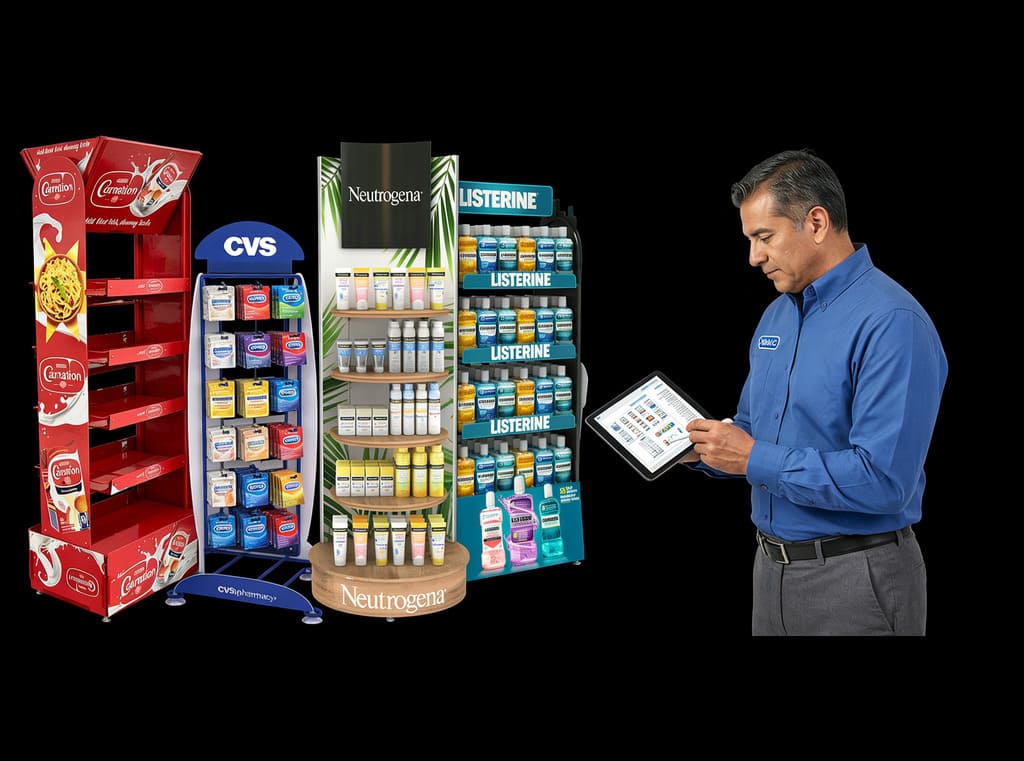
Counter displays turn checkout into incremental revenue. Travel sizes, lip care, single serve supplements, and everyday personal care items work here because the decision cost is low. A compact cosmetic display stand at the counter can lift attachment rate on lipsticks, applicators, or mini formats that shoppers rarely plan in advance. In pharmacies, counter units should prioritize fast recognition of the most requested products, since the shopper is often already in line.
Custom dump bins: create urgency around impulse
Custom dump bins signal value and volume. They suit promotional pricing, seasonal clearance, and high rotation personal care items. Their strength is speed, so keep the offer on a single legible header.
Design elements that separate a display from a sales tool
Strong units share four traits.
The message states one benefit, not five. Placement accounts for traffic flow, adjacencies, and retailer planogram limits before production begins. Color and materials extend brand identity while surviving weeks of handling and restocking. Sensory details such as lighting, texture, or shelf depth create a reason to pause.
Structural durability deserves particular attention. A unit that sags by week two damages perceived quality more than no display at all, which is why material engineering belongs in the strategy conversation, not at the end of it.
You may be interested in: The effective psychology behind pharmacy displays


LA BOULANGERE FLOOR DISPLAY

BRIANNAS FLOOR DISPLAY

BORGES FLOOR DISPLAY

Milo Floor Display

Fernleaf DUMP BIN DISPLAY

French Brioche Floor Display
Audit your current displays with three questions
Does the unit communicate its main benefit before the shopper reads anything?
Does it match how that specific retailer routes traffic?
Would it still look intentional after fourteen days of restocking?
If any answer feels uncertain, the issue usually sits in the brief, not in the execution.
Turn shelf space into brand performance
Highlighting personal care products, vitamins, and cosmetics is about building an environment where the right product feels like the obvious answer. With more than twenty years developing custom merchandising solutions for FMCG brands across international markets, Diforma Group designs point of purchase displays around commercial objectives, retailer requirements, and real shopper behavior.If you are planning your next in store activation, start by defining what the display must achieve. The format follows from there.