An effective category display highlights personal care products, vitamins, and cosmetics by combining clear messaging, strategic placement, and consumer-focused design. Using end caps, floor displays, and counter displays helps increase visibility, guide shoppers, and communicate product benefits, ultimately driving engagement and higher sales at the point of purchase.
When it comes to retail marketing, the way you showcase your products plays a crucial role in capturing customer attention and driving sales. This is especially true for personal care products, vitamins, and cosmetics, which are often displayed in highly competitive environments like pharmacies, health stores, and beauty sections.
A category display is one of the most effective ways to highlight these products, drawing consumers in and guiding them toward a purchase. This blog will explore how end cap displays, floor displays, counter displays, and pharmacy displays can be used strategically to showcase these items and enhance brand recognition and sales.
Before diving into display strategies, it’s important to understand why we chose to focus on the categories of personal care products, vitamins, and cosmetics. These segments are essential to current consumer behavior, as shoppers are increasingly prioritizing wellness, preventive health, and personal appearance.
They are also marketed in highly competitive spaces where presentation and visibility play a key role in purchase decisions. Highlighting these products through effective category displays can make a significant difference in perceived value and drive conversion.
Custom Retail Display Manufacturers
Ready to boost in-store impact?
Let’s design a customized POP display that makes shoppers stop, look, and buy. From concept to production, we bring your brand to life at the point of sale.
Tell us your product, retail channel, and campaign timeline — we’ll recommend the best display format.
What you’ll get
- Display concept aligned with your brand
- Material & structure recommendations
- Production-ready plan and timeline
The value of key categories
In terms of economic impact, these categories hold substantial weight in the U.S. retail market. According to data from Statista and the National Retail Federation, sales of personal care and cosmetic products exceeded $100 billion in 2023, while the vitamin and supplement market reached approximately $50 billion. Combined, these categories represent a significant portion of consumer spending on daily-use goods, underscoring the importance of thoughtful display strategies that maximize visibility and product turnover at the point of sale.
Understanding the objective of the display

The first step in designing an effective category display is to clearly define its objective. What do you want to achieve with this display? There are several goals that a display can serve:
- Brand recognition: Some displays focus on strengthening brand identity, using visually striking designs and brand messaging to make the product stand out in a crowded market.
- Informative function: For products like vitamins or cosmetics, providing valuable product information—such as benefits, ingredients, and usage instructions—can help customers make informed purchasing decisions.
- Product rotation: Displays can also be designed to encourage the rotation of products, moving slower-moving items to the front or highlighting seasonal or promotional products.
Each objective will influence the design and placement of the display. For instance, a pharmacy counter display may focus on providing quick access to frequently used items like over-the-counter vitamins or skincare products, while a floor display might be used for larger product lines, offering a more immersive experience to shoppers.
The importance of user research
Before creating a display, it’s essential to conduct thorough research to understand the needs, pains, and expectations of your target customers. By understanding the customer journey and what motivates purchases in the personal care, vitamin, or cosmetics categories, you can tailor the display design to speak directly to their interests.
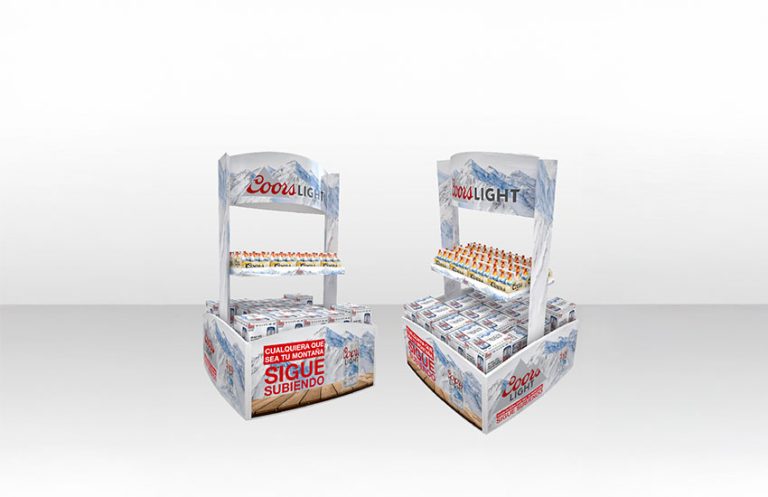
For example, if your target market is health-conscious individuals looking for organic skincare solutions, the custom display companies should highlight the product’s natural ingredients, benefits, and certifications.
Similarly, for a vitamin brand, showcasing the product’s health benefits, customer testimonials, or clinical studies can help address consumer concerns and encourage confidence in the purchase.

LA BOULANGERE FLOOR DISPLAY

BRIANNAS FLOOR DISPLAY

BORGES FLOOR DISPLAY

Milo Floor Display

Fernleaf DUMP BIN DISPLAY

French Brioche Floor Display
Designing a display that speaks to the consumer
Once the objective is clear and user research is complete, the display design must be crafted to communicate the value proposition of the product in a way that aligns with the consumer’s needs.
The design should create an experience that feels seamless and connected to what the consumer is looking to solve.
Utilizing end cap displays for high visibility
End cap displays are placed at the end of aisles, making them one of the most visible areas in a store. For personal care products, vitamins, and cosmetics, this display is an excellent choice for highlighting new launches or popular items.
The design should be eye-catching, with bold graphics, product information, and clear messaging that draws the customer’s attention as they walk by.
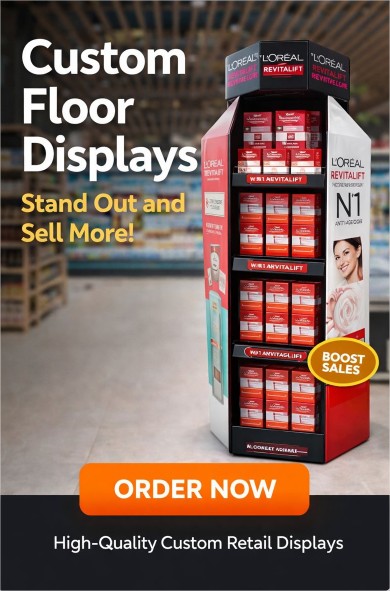
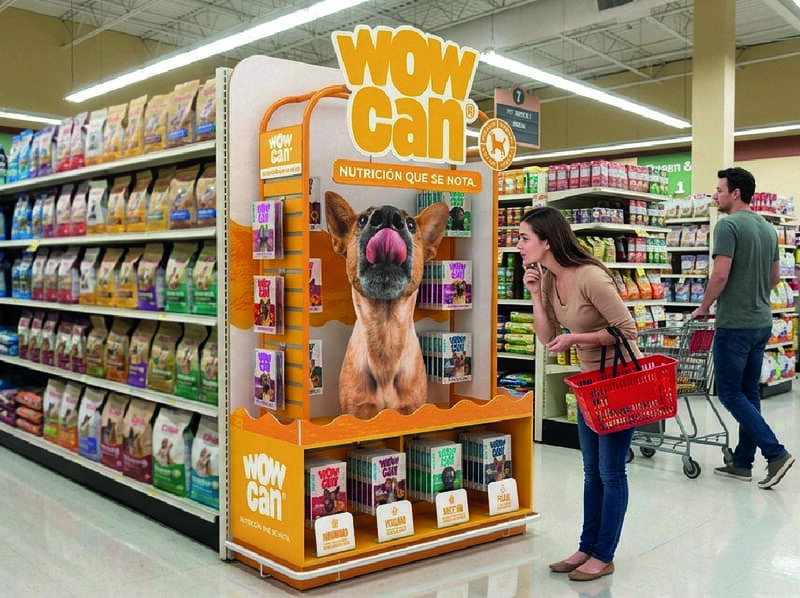
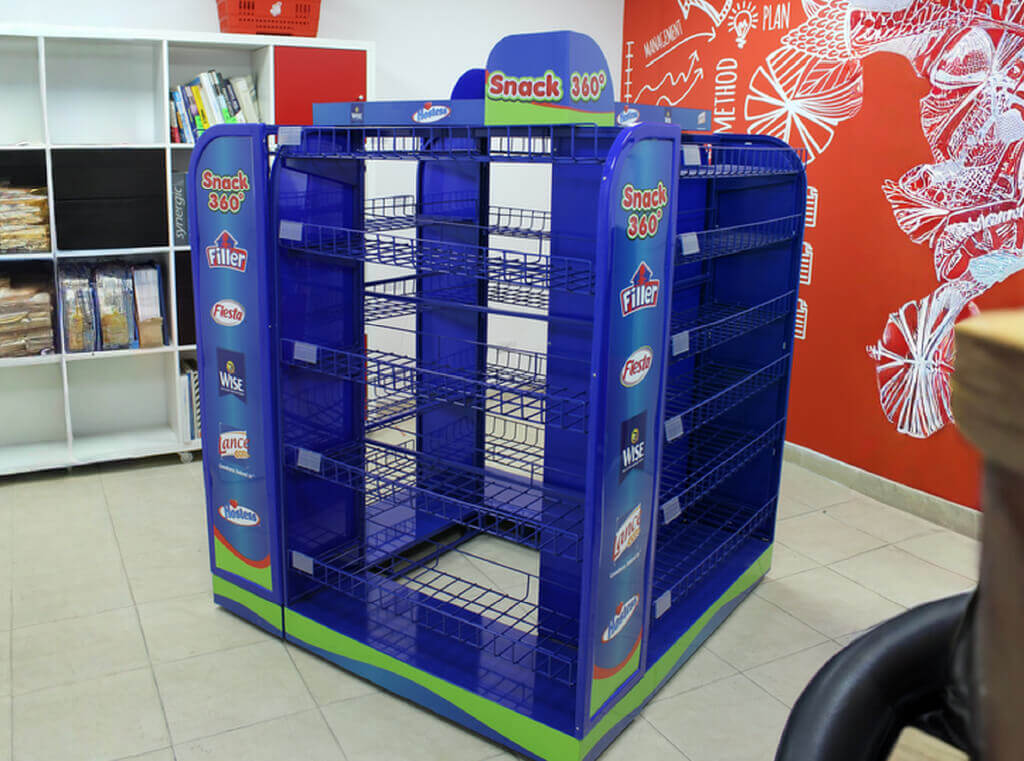
Engaging consumers with floor displays
A floor display offers more space for larger products or product assortments. When used effectively, floor displays allow consumers to interact with the products, touch them, and explore the benefits in a more hands-on way.
For beauty products or vitamins, this display can be used to show various product lines or create themed sections that match specific customer needs (e.g., skincare routines, immune health, etc.).
Creating convenience with counter displays
Counter displays are ideal for smaller spaces, typically placed at checkout counters. These displays are perfect for personal care items or small packages of vitamins that customers may need as a last-minute addition to their purchase.
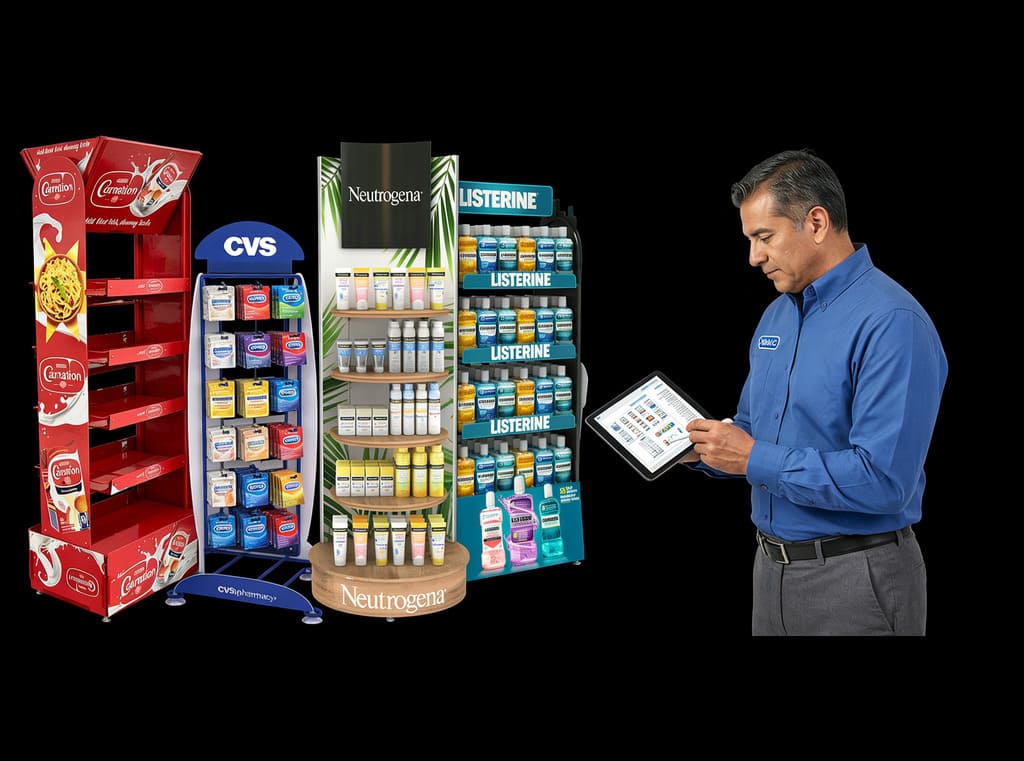
Pharmacy counter displays, in particular, should be designed for quick access and highlight the most commonly purchased products, ensuring ease of access for consumers.
Key design elements to enhance effectiveness
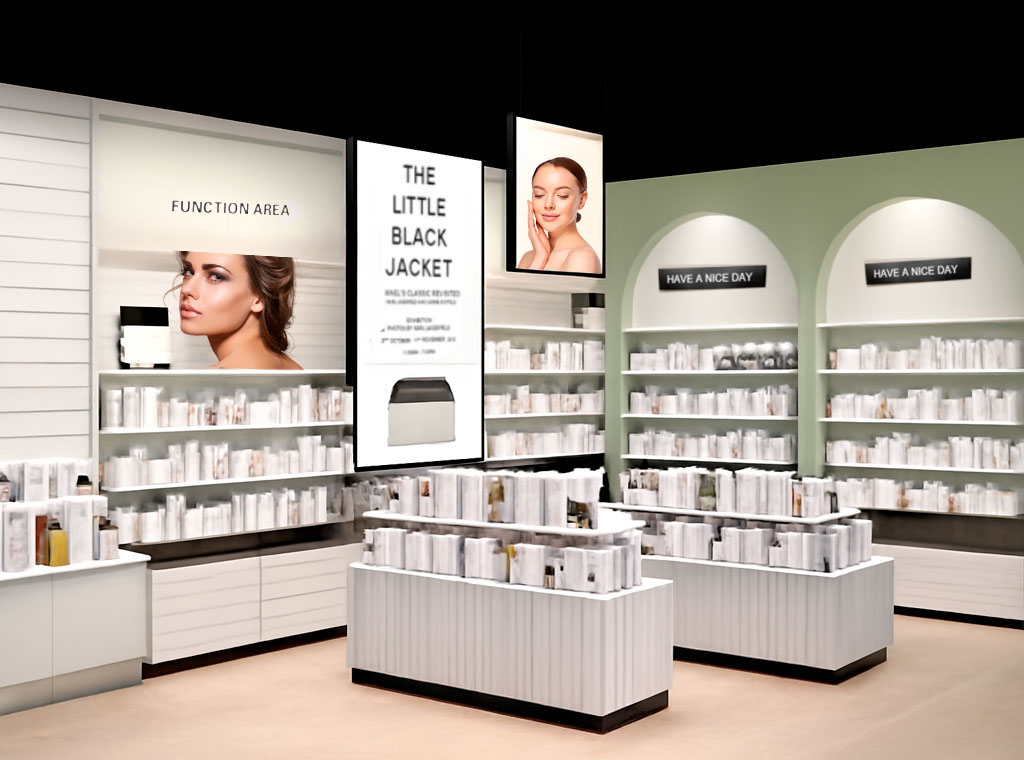
A well-designed category display should have several key elements that make it effective:
- Clear messaging that communicates the product’s benefits and value proposition
- Strategic placement that considers both the product’s size and its potential to drive customer engagement
- Use of colors and materials that align with the brand’s identity and appeal to the consumer’s aesthetic preferences
- Incorporation of sensory elements such as lighting or texture to make the display more engaging
You may be interested in: The effective psychology behind pharmacy displays

Ask yourself: Is your display truly speaking to your customers?
Now that we’ve explored the strategies behind effective category displays, it’s important to ask yourself some critical questions: Does your display clearly communicate the value proposition of your product?
Are you addressing the specific needs and concerns of your target audience? How well does your display integrate with the overall shopping experience to drive sales?
Designing an effective display isn’t just about showcasing products—it’s about creating an experience that resonates with the consumer, making them feel like the product is the perfect solution to their needs. So, take a moment to evaluate your displays. Are they helping you achieve your marketing and sales goals?

Incorporating end cap displays, floor displays, counter displays, custom dump bins, and pharmacy counter displays into your strategy for highlighting personal care products, vitamins, and cosmetics can significantly impact customer engagement and sales.
By defining your display objectives, conducting user research, and designing displays that align with consumer expectations, you can create impactful experiences that drive conversions and strengthen your brand’s presence in the marketplace.