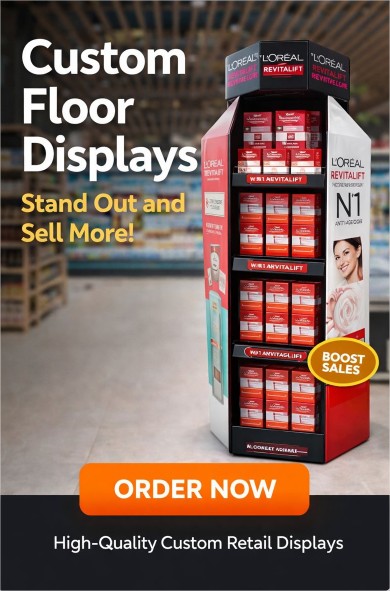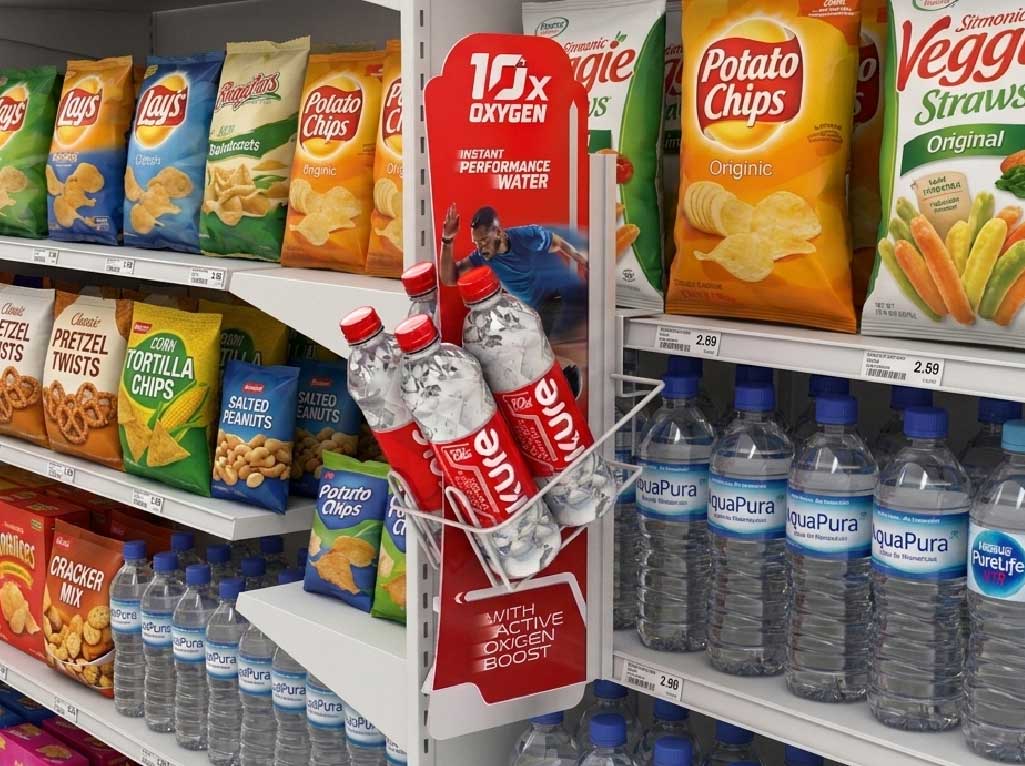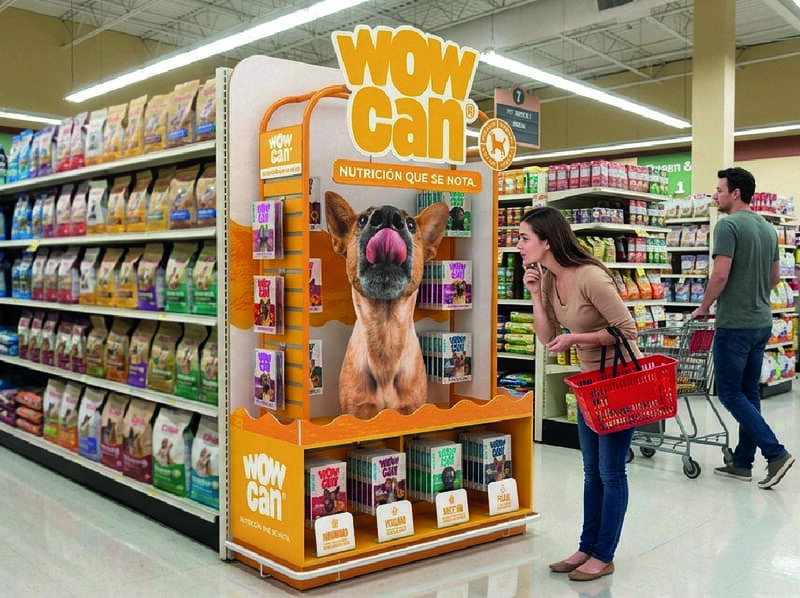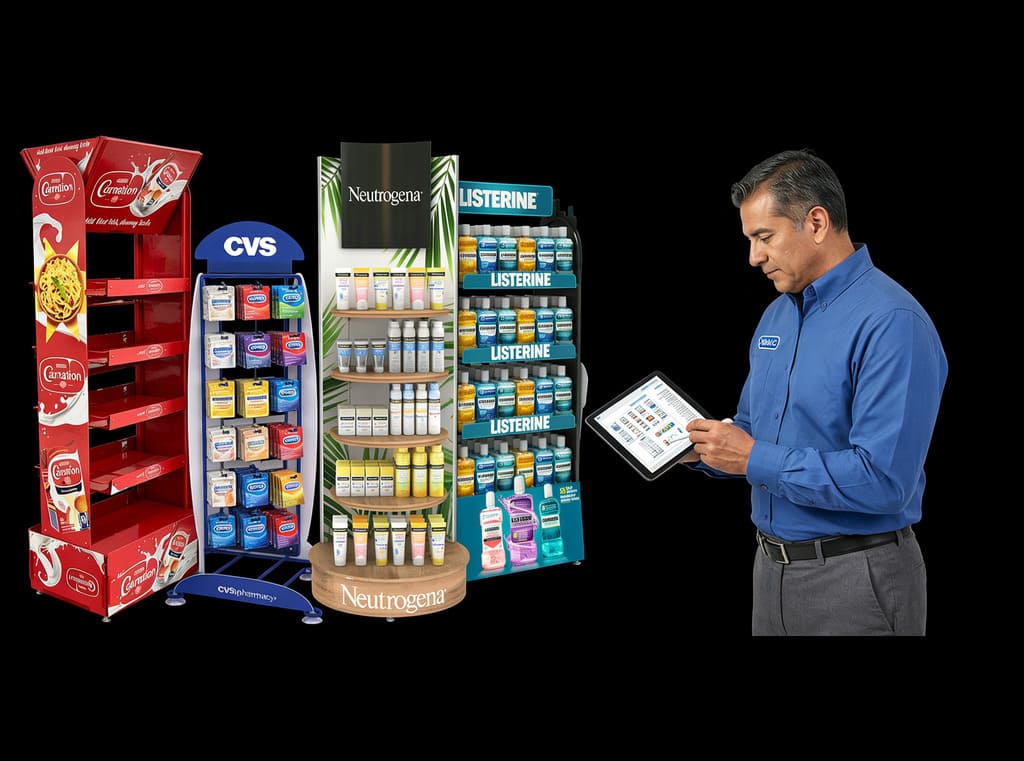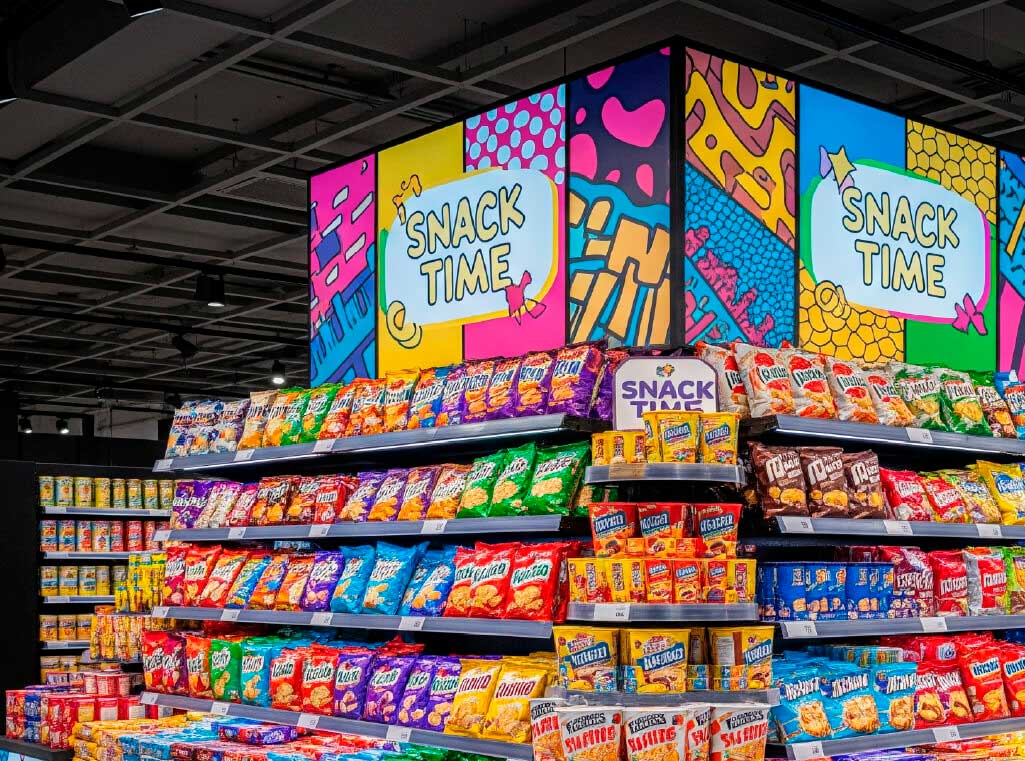
A retail planogram (POG) is a strategic layout that defines how products should be placed on shelves to maximize visibility, sales, and brand consistency. For CPG brands, a well-executed planogram directly impacts in-store performance and shopper behavior.
Stop Guessing Shelf Placement. Start Controlling It.
If your product is already in stores but not selling as expected, the problem is rarely the product itself. More often, it is visibility, positioning, and execution. This is where a retail planogram guide becomes essential.
At Diforma InStore, we work with brands that want more than presence. They want control over how their products appear, compete, and convert inside the store.
What Is a Planogram and Why Should You Care?
A what is a planogram in retail question usually comes from brands entering physical retail or scaling distribution. Simply put, a planogram definition retail is a visual blueprint that determines where and how products are placed on shelves.
The POG retail meaning goes beyond layout. It is a sales tool. It aligns merchandising, shopper psychology, and brand strategy.
When done correctly, it answers:
- Where should your product sit?
- At what eye level?
- Next to which competitors?
- With what visual hierarchy?
Ignoring this leads to lost sales, even in high-traffic stores.
Why Planograms Are a Growth Lever for CPG Brands
Understanding the benefits of planograms for brands is critical if you want to compete in saturated retail environments.
A strong planogram merchandising strategy helps you:
- Increase product visibility
- Improve shopper navigation
- Drive impulse purchases
- Maintain brand consistency across stores
- Support retail compliance
This is not theory. It is execution. Brands that apply planogram strategy for increasing sales consistently outperform those that rely on generic shelf placement.


LA BOULANGERE FLOOR DISPLAY

BRIANNAS FLOOR DISPLAY

BORGES FLOOR DISPLAY

Milo Floor Display

Fernleaf DUMP BIN DISPLAY

French Brioche Floor Display
From Shelf Space to Sales: How Planograms Actually Work
A visual merchandising planogram is not just about aesthetics. It is about behavior.
Shoppers scan shelves in predictable ways. A well-structured product placement strategy retail considers:
- Eye-level positioning for best-selling SKUs
- Grouping by category or use case
- Color blocking for visual impact
- Logical flow that reduces decision friction
This is where retail shelf layout optimization becomes a competitive advantage.
How to Create a Retail Planogram That Performs
If you are wondering how to create a retail planogram, the process should not be improvised. It must be structured.
Start with:
- Define your objectives
Are you launching, scaling, or repositioning? - Analyze shopper behavior
Understand how customers interact with your category. - Map your product hierarchy
Identify hero products, support SKUs, and new entries. - Design the layout
Apply retail store layout planning guide principles to maximize exposure. - Test and adjust
A planogram is not static. It evolves based on performance.
This is where many brands fail. They stop at design but ignore execution.
Planogram Execution: Where Most Brands Lose Money
Having a planogram is not enough. The real challenge is planogram execution in retail stores.
Retail staff may not follow guidelines. Space constraints may alter layouts. Competitors may disrupt positioning.
This is why planogram compliance in retail matters.
Without compliance:
- Your product loses visibility
- Your strategy becomes inconsistent
- Your ROI drops
Brands that invest in execution see measurable improvements in sales and brand perception.
Planogram vs Store Layout: Understand the Difference
A common confusion is retail layout vs planogram differences.
- Store layout defines the overall structure of the store
- Planogram defines the micro-level arrangement of products within shelves
Both are important, but the planogram is where conversion happens.
Real-World Planogram Examples That Drive Results
Looking at planogram examples retail, high-performing brands follow consistent patterns:
- Best sellers at eye level
- Complementary products grouped together
- Clear segmentation by category
- Strong visual anchors
These are not random decisions. They are based on retail merchandising planogram tips that align with shopper behavior.

Common Planogram Mistakes That Kill Sales
Many brands unknowingly sabotage their own performance. Some common planogram mistakes in retail include:
- Overcrowding shelves
- Ignoring visual hierarchy
- Placing key products too low or too high
- Lack of consistency across locations
- No monitoring of execution
Avoiding these mistakes is often more impactful than redesigning everything.
Custom Retail Display Manufacturers
Ready to boost in-store impact?
Let’s design a customized POP display that makes shoppers stop, look, and buy. From concept to production, we bring your brand to life at the point of sale.
Tell us your product, retail channel, and campaign timeline — we’ll recommend the best display format.
What you’ll get
- Display concept aligned with your brand
- Material & structure recommendations
- Production-ready plan and timeline
Planogram Software vs Manual Planning: What Works Best?
When evaluating planogram software vs manual planning, the decision depends on scale.
- Small brands may start manually
- Growing brands need software for consistency and scalability
However, tools alone are not enough. Strategy and execution remain the foundation.
How Brands Use Planograms to Win In-Store
Understanding how brands use planograms in retail stores reveals a clear pattern.
Winning brands:
- Control shelf presence
- Optimize shelf space optimization retail stores
- Align merchandising with marketing campaigns
- Continuously refine layouts based on performance
They do not leave shelf placement to chance.
Improving In-Store Visibility Without Changing the Product
If your product is not moving, focus on how to improve in-store product visibility before changing anything else.
A strong retail display organization strategy can:
- Increase attention
- Improve perception
- Drive faster purchase decisions
This is where execution meets design.
Where Strategy Meets Execution
At Diforma InStore, we do not just talk about planograms. We bring them to life inside the store.
Your planogram should not live in a PDF. It should exist on the shelf, exactly as intended.
If you are serious about improving your in-store performance, start by aligning your strategy with execution.
Explore how we support brands at:
https://diformainstore.com/
Planograms Are Not Optional Anymore
In today’s retail environment, competition is not just about product quality. It is about visibility, positioning, and execution.

A well-designed planogram best practices retail approach ensures that your brand does not just exist in-store, but performs.
Because in retail, being present is not enough. You need to be seen, understood, and chosen.