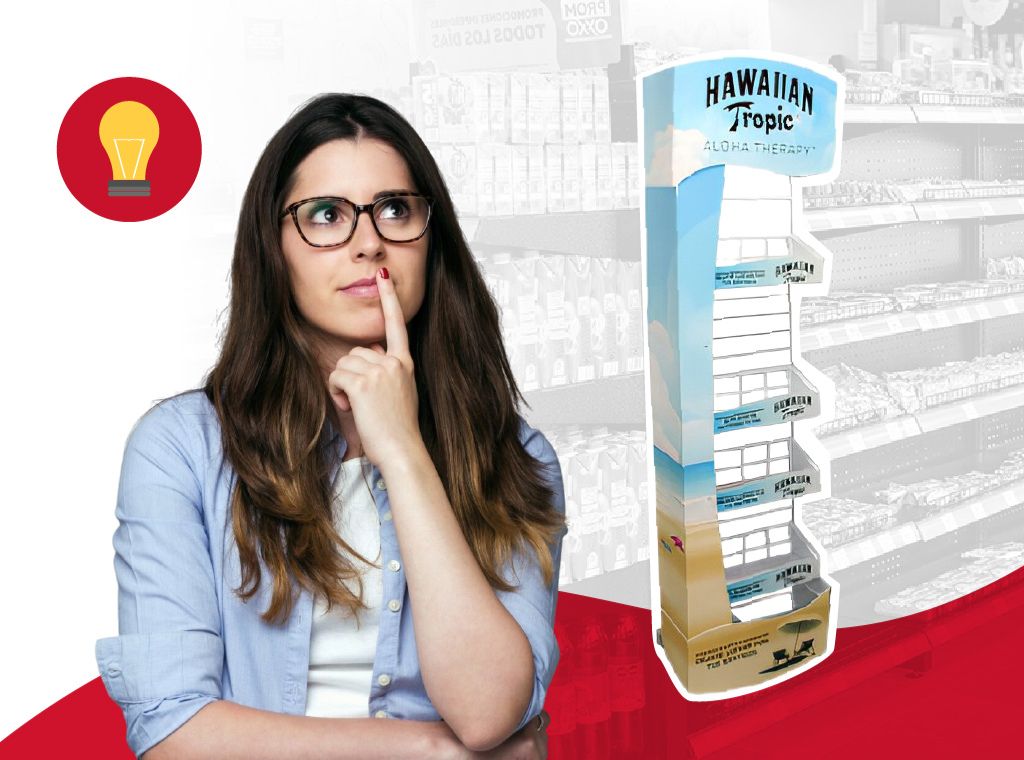
The future of grocery marketing is moving inside the store through interactive digital video that influences shoppers at the point of decision. By transforming end-caps into smart media touchpoints, retailers and brands align physical retail with modern omnichannel strategies.
The future of grocery marketing starts where shoppers decide
The future of grocery marketing is no longer a distant concept driven only by e-commerce platforms or mobile apps. It is unfolding directly inside physical stores, at the exact moment when shoppers make decisions. Grocery retailers are rediscovering the value of the store itself as a media channel, one that blends physical presence with digital intelligence. This shift is redefining how brands communicate, how retailers monetize space, and how consumers experience everyday shopping.
For years, physical grocery retail was treated as static. Shelves stayed the same, signage barely evolved, and promotions relied on printed materials. Today, that model is no longer competitive. Shoppers expect relevance, speed, and personalization everywhere. Interactive digital formats are transforming grocery stores into dynamic environments that respond to behavior, context, and demand in real time.
Why interactive retail is reshaping grocery marketing
Interactive retail marketing is not about adding screens for the sake of technology. It is about creating meaningful touchpoints that guide, inform, and influence shoppers without interrupting their journey. In grocery environments, attention is scarce. Shoppers move quickly, compare options, and make decisions in seconds.
Interactive digital video allows brands and retailers to communicate value instantly. Motion, contextual messaging, and adaptive content outperform static signage because they align with how people process information in-store. When done correctly, interactivity enhances clarity instead of adding noise.
This approach is especially powerful at high-impact locations like end-caps, where visibility meets intent. Digital formats turn these spaces into storytelling zones that educate, promote, and convert simultaneously.
Digital transformation in grocery retail is happening on the shelf
The digital transformation in grocery retail is often associated with supply chains, data analytics, or online fulfillment. However, its most visible impact is happening directly on the shelf. In-store digital solutions bridge the gap between physical products and digital intelligence.
Screens connected to centralized platforms allow retailers to update content instantly, align promotions with inventory, and tailor messaging by location or time of day. This level of control was impossible with traditional signage.
For brands, this means faster activation, better consistency, and measurable performance. For retailers, it creates a new revenue stream while improving the shopper experience. Digital transformation stops being abstract and becomes tangible where it matters most.

LA BOULANGERE FLOOR DISPLAY

BRIANNAS FLOOR DISPLAY

BORGES FLOOR DISPLAY

Milo Floor Display

Fernleaf DUMP BIN DISPLAY

French Brioche Floor Display
Retail media evolution moves inside the store
The retail media evolution has expanded far beyond websites and apps. Physical stores are becoming media networks, and grocery retailers are uniquely positioned to capitalize on this shift. With high foot traffic and frequent visits, grocery stores offer unmatched exposure.

In-store digital media enables brands to reach shoppers closer to purchase than any online channel. End-caps equipped with digital video become premium media assets, combining reach, relevance, and immediacy.
Unlike online ads, in-store media does not compete with endless distractions. It operates in a focused environment where products are physically available. This context dramatically increases effectiveness and recall.
In-store digital innovation that drives real results
In-store digital innovation succeeds when it aligns technology with shopper behavior. The goal is not to overwhelm, but to simplify choices and highlight value. Digital video allows for clear product benefits, promotional storytelling, and brand differentiation in a compact format.
Modern systems enable content rotation, A/B testing, and performance tracking. Retailers can see which messages drive engagement and adjust accordingly. Brands gain insights that were previously unavailable in physical retail.
This innovation also supports operational efficiency. Content updates no longer require printing, shipping, or manual replacement. Sustainability improves, costs decrease, and execution becomes faster.
Next generation retail marketing is contextual and adaptive
The next generation retail marketing strategy recognizes that context matters. What a shopper needs at 8 a.m. is different from what they need at 7 p.m. Digital in-store solutions make this adaptability possible.
Messaging can change based on time, promotions, seasonality, or store location. This flexibility allows retailers to stay relevant without redesigning physical spaces. Brands benefit from campaigns that feel timely and personalized.
End-cap digital video is especially effective in this model. It delivers strong visual impact while adapting content dynamically, making every impression more valuable.
Custom Retail Display Manufacturers
Ready to boost in-store impact?
Let’s design a customized POP display that makes shoppers stop, look, and buy. From concept to production, we bring your brand to life at the point of sale.
Tell us your product, retail channel, and campaign timeline — we’ll recommend the best display format.
What you’ll get
- Display concept aligned with your brand
- Material & structure recommendations
- Production-ready plan and timeline
Grocery retail trends point to omnichannel consistency
Current grocery retail trends show a clear demand for consistency across channels. Shoppers move seamlessly between online research and in-store purchase. The physical store must reflect the same level of sophistication as digital platforms.
Omnichannel grocery marketing ensures that messaging, branding, and promotions feel connected. In-store digital media plays a critical role by extending digital campaigns into physical spaces. This continuity builds trust and recognition.
When shoppers see familiar messaging at the shelf, confidence increases. Decisions feel easier. The store becomes part of a unified brand ecosystem rather than a disconnected endpoint.
Digitalization of physical retail starts at high-impact zones
The digitalization of physical retail does not require a full store overhaul. It starts strategically, focusing on zones with the highest influence. End-caps are ideal for this transformation.
By integrating digital displays into end-cap structures, retailers enhance visibility without disrupting layout. These solutions respect the physical nature of the store while introducing digital flexibility.
Platforms like https://diformainstore.com/end-cap-displays/ demonstrate how digital video can be seamlessly embedded into retail architecture. The result is a modern, scalable approach that elevates both brand presence and shopper experience.
Why end-caps are the future of in-store engagement
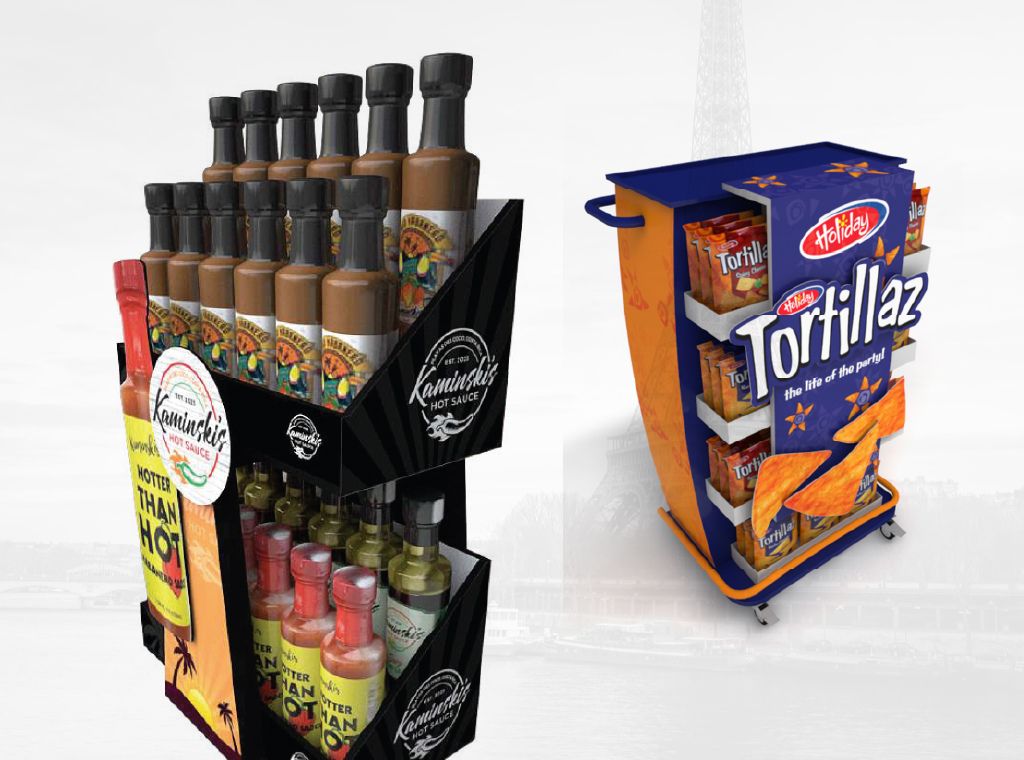

End-caps sit at the intersection of traffic and decision-making. They are natural focal points that shoppers cannot ignore. When enhanced with tailored digital video, they become powerful communication tools.
Unlike generic screens, end-cap displays deliver contextually relevant content tied directly to nearby products. This proximity increases conversion and reduces friction. Shoppers receive information exactly when they need it.
Retailers adopting this approach gain a competitive advantage by monetizing space more effectively while improving the shopping journey.
Building smarter grocery stores with Diforma InStore
The future of grocery marketing is not about replacing physical retail, but enhancing it. Digital video at end-caps represents a practical, scalable solution that aligns with real shopper behavior.
Diforma InStore focuses on transforming physical retail environments through intelligent digital integration. By combining design, technology, and retail insight, solutions are built to perform, not just impress.
To explore how interactive end-cap displays support modern grocery strategies, visit https://diformainstore.com/. The evolution of grocery marketing is already happening, and it starts where decisions are made.