Soft POS materials are lightweight and flexible promotional pieces used at the point of sale to communicate messages directly at the shelf. These elements such as wobblers, danglers, shelf talkers, and posters are designed to capture shopper attention quickly and reinforce brand messaging without relying on permanent display structures.
Why Small Retail Elements Often Drive the Biggest Sales Decisions
In retail environments, not every brand interaction happens through a large permanent display. Many purchase decisions occur within seconds while shoppers scan the shelf looking for the best option. In that moment, visual interruption becomes crucial.
This is where soft point of sale materials become extremely valuable. These communication pieces are designed to interact directly with shoppers at eye level or shelf level, delivering a clear message exactly where the purchase decision happens.
A well-placed shelf talker can highlight a product benefit in seconds. A dangler can break the visual monotony of a crowded aisle. A floor graphic can guide the shopper toward a promotion.
These tools belong to what marketers refer to as retail soft pos displays, which are temporary visual assets used to support trade marketing campaigns without installing rigid structures. When executed correctly, they become powerful elements of in-store storytelling.
However, many brands underestimate their potential. Soft POS materials are often treated as decorative pieces instead of strategic marketing assets. The result is predictable: the material gets installed, blends into the visual noise, and fails to influence purchase behavior.
What Soft POS Materials Actually Are (And Why Retailers Use Them)
To understand their role in trade marketing, it is useful to clarify what is soft pos material in retail.
Soft POS refers to flexible promotional materials used to communicate messages inside stores. Unlike permanent displays, these pieces are printed on lightweight substrates such as vinyl, cardboard, adhesive films, or flexible plastics.
Their purpose is simple: attract attention and reinforce the product value proposition exactly where the shopper is making a decision.
These materials are part of soft pos marketing materials used by brands to enhance visibility in supermarkets, pharmacies, convenience stores, and large retail chains.

Typical formats include:
- Danglers that hang from shelves or ceiling structures
- Wobblers attached to product shelves
- Shelf talkers highlighting promotions or product features
- Flat or 3D posters placed near the product area
- Vinyl banners supporting promotional campaigns
- Lightweight cardboard standees
- Promotional adhesive graphics
- Floor graphics guiding shoppers toward product zones
These are some of the most common examples of soft pos materials in stores, widely used in trade marketing strategies around the world.
The Strategic Role of Soft POS in Trade Marketing
Trade marketing focuses on improving product performance within the retail channel. In this context, soft pos materials used in trade marketing act as micro-communication tools that influence the shopper journey.
Unlike mass advertising, which creates awareness before the shopper reaches the store, Soft POS works inside the retail environment, where the final purchase decision happens.
Brands use these materials to:
- Highlight promotions
- Introduce new products
- Communicate product benefits quickly
- Increase shelf visibility
- Guide shoppers toward specific product sections
These actions belong to what many retailers call soft pos visual communication, because the message must be understood instantly. Shoppers rarely spend more than a few seconds evaluating a product on the shelf.
When communication is clear and strategically placed, these materials become part of effective retail soft pos solutions that improve brand presence in highly competitive aisles.
How Soft POS Materials Increase Shelf Visibility
One of the biggest challenges in retail is standing out in crowded shelves. Hundreds of products compete for attention in the same visual space.
This is why many brands invest in flexible pos marketing materials. These pieces create visual interruption and draw the shopper’s eye toward a specific product.
Understanding how soft pos materials increase shelf visibility requires recognizing how shoppers behave inside stores.
Most customers scan shelves horizontally, quickly evaluating price, brand familiarity, and perceived value. If a visual cue interrupts that scanning process, the shopper pauses even if only for a second.
That pause is the opportunity.
A well-designed wobbler or shelf talker can highlight a promotion or product benefit precisely at that moment. Instead of blending into the background, the product becomes part of the shopper’s active decision process.
For many brands, this small interruption can significantly improve sell-out performance.
Custom Retail Display Manufacturers
Ready to boost in-store impact?
Let’s design a customized POP display that makes shoppers stop, look, and buy. From concept to production, we bring your brand to life at the point of sale.
Tell us your product, retail channel, and campaign timeline — we’ll recommend the best display format.
What you’ll get
- Display concept aligned with your brand
- Material & structure recommendations
- Production-ready plan and timeline
Why Many Brands Fail When Using Soft POS
Despite its potential, Soft POS is frequently poorly executed. The problem is rarely the format itself.
More often, the issue lies in strategy.

Many brands produce these materials without considering placement, message clarity, or retail context. They print large quantities, ship them to stores, and assume the job is done.
But effective in store soft pos materials require more than printing.
The message must be instantly understandable.
The design must contrast with the retail environment.
The placement must align with shopper traffic patterns.
When these factors are ignored, Soft POS materials become invisible. They exist physically, but they fail to communicate.
Brands that treat these assets strategically, however, often see stronger results from their retail promotions.
Soft POS vs Permanent POS Displays
Another important distinction in retail marketing is soft pos vs permanent pos displays.
Permanent POS structures are rigid installations such as metal displays, wooden stands, or acrylic fixtures designed to remain in stores for long periods.
Soft POS materials are different.
They are temporary, flexible, and campaign-focused. Their main advantage is speed and adaptability.
Brands can launch seasonal promotions quickly, test new messages, or support product launches without installing permanent infrastructure.
This flexibility makes Soft POS particularly useful for dynamic retail environments where promotions change frequently.
Best Soft POS Materials for Retail Promotions
Not every format works equally well in every environment. Selecting the best soft pos materials for retail promotions depends on store layout, category competition, and campaign objectives.
In supermarkets, wobblers and shelf talkers are highly effective because they communicate directly at shelf level.
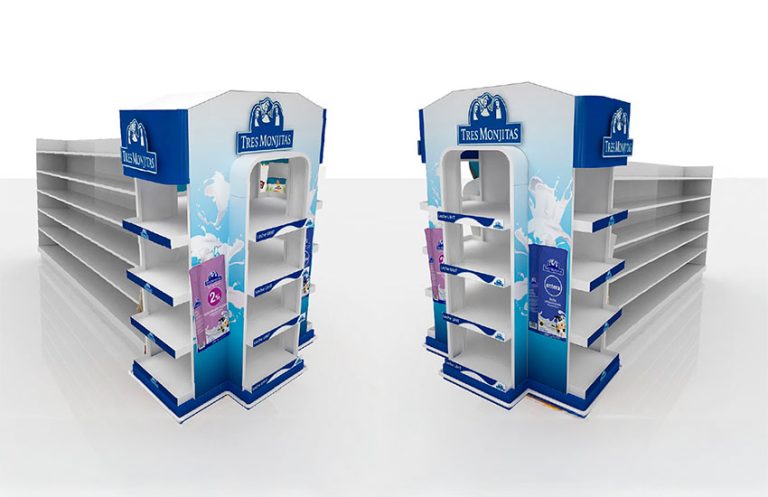
In large retail aisles, floor graphics and hanging danglers can guide shopper movement toward promotional zones.
Promotional posters or standees are often used near store entrances to create early awareness of campaigns.
Many retailers also use soft pos marketing tools for supermarkets to highlight price promotions, bundle offers, or limited-time discounts.
Each format plays a specific role in influencing shopper behavior.
How Brands Use Soft POS to Support Retail Campaigns
Successful brands rarely treat Soft POS as a standalone element. Instead, they integrate it into broader trade marketing strategies.
Understanding how brands use soft pos in trade marketing means recognizing that these materials reinforce other marketing activities.
For example, a product launch may combine digital advertising, in-store promotions, and Soft POS materials placed near shelves.
The Soft POS piece acts as the final reinforcement that converts awareness into purchase.
When designed correctly, these materials become part of effective soft pos materials for point of sale communication, ensuring that the shopper receives the right message at the exact moment of decision.
Designing Soft POS Materials That Actually Work
Execution determines success.
Many brands focus only on printing logistics, forgetting that Soft POS is fundamentally a communication tool.
- The message must be short.
- The design must be visible from a distance.
- The benefit must be understood instantly.
Retail environments are noisy, visually complex spaces. If a promotional piece requires more than a few seconds to interpret, it will likely fail.
For this reason, professional retail execution partners play a key role in planning, designing, and implementing these materials effectively.
Companies specializing in retail execution and trade marketing production such as the team behind https://diformainstore.com/ focus on aligning visual communication with the realities of the retail environment.
When design, placement, and messaging are aligned, even the smallest Soft POS element can generate measurable impact.
Small Materials, Powerful Retail Influence
Soft POS materials prove that influence in retail does not always require massive structures or complex installations.
Sometimes, a small piece placed in the right spot can shift shopper attention and drive product rotation.
The difference between ineffective decoration and strategic communication lies in understanding how shoppers behave in stores.
When brands approach Soft POS with that perspective, these lightweight materials become powerful tools for visibility, engagement, and sales performance within the retail environment.