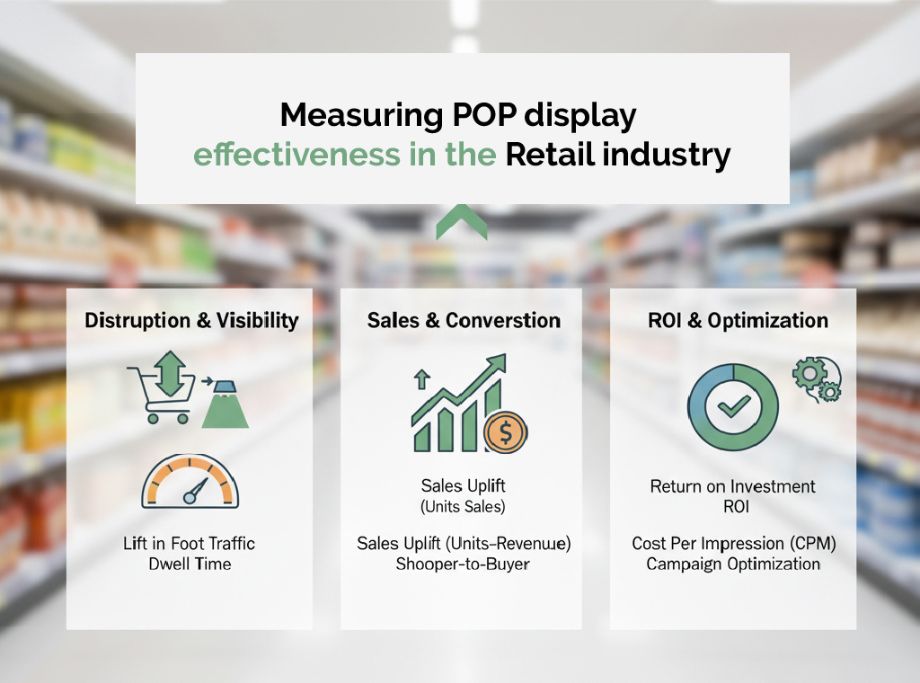
Measuring the effectiveness of POP displays means tracking how in-store visual executions influence shopper behavior, sales performance, and brand visibility using clear, action-oriented KPIs. When done correctly, these metrics turn creative displays into measurable business assets that can be optimized and scaled.
Measuring the Effectiveness of POP Displays in Retail Starts with the Right Questions
In physical retail, POP displays are not decoration. They are sales tools designed to interrupt routines, attract attention, and guide purchase decisions at the exact moment of truth. Yet many brands still evaluate them subjectively, relying on perception instead of performance. Understanding how to measure POP displays correctly is what separates a creative expense from a strategic investment.
At diformainstore.com, the focus is on engineered, custom-made displays that live on the sales floor, not digital or omnichannel concepts. That distinction matters, because measurement must align with physical retail behavior, not online assumptions. Effectiveness is not about impressions; it is about impact where buying decisions actually happen.
Why POP Display Measurement Is a Strategic Advantage, Not a Reporting Task
Retail environments are competitive, crowded, and fast-moving. A well-designed POP display earns its space by delivering results. Without measurement, there is no optimization, and without optimization, there is no scalability. Retail POP display effectiveness is best understood as the ability of a display to change shopper behavior in favor of the brand, consistently and predictably.
This is where structured measurement becomes a competitive advantage. Brands that track performance learn what design elements work, which placements convert better, and how long a display remains effective before fatigue sets in. The goal is not just to validate success, but to build repeatable in-store growth.

LA BOULANGERE FLOOR DISPLAY

BRIANNAS FLOOR DISPLAY

BORGES FLOOR DISPLAY

Milo Floor Display

Fernleaf DUMP BIN DISPLAY

French Brioche Floor Display
From Visibility to Conversion: Core POP Display Effectiveness Metrics
Measuring performance begins with defining what success looks like. POP display effectiveness metrics should be directly connected to business outcomes, not vanity indicators. In physical retail, visibility without conversion has limited value. The most relevant metrics focus on interaction, engagement, and sales lift.
Foot traffic attraction, dwell time near the display, product interaction rates, and incremental sales during display periods all provide insight into performance. These indicators allow teams to move from intuition to evidence-based decisions, transforming creative execution into measurable retail strategy.
Turning Store Data into POP Display Performance Measurement
Effective POP display performance measurement depends on using data that already exists in retail environments. Sales comparisons before, during, and after installation reveal whether the display is driving incremental performance. Store-level sell-out data can highlight regional variations and execution quality.
Observational audits also play a role. Retail teams can assess whether displays are correctly installed, fully stocked, and positioned as intended. A technically strong design loses effectiveness if execution fails. Measurement must account for real-world conditions, not just design intent.
How to Measure POP Displays Without Disrupting Store Operations
One of the biggest misconceptions is that measurement requires complex systems. In reality, how to measure POP displays often starts with simple, structured processes. Comparing sales velocity of displayed products versus control stores provides immediate clarity. Monitoring replenishment frequency can indicate demand acceleration caused by the display.

Qualitative feedback from store managers adds context, helping interpret why certain displays outperform others. When combined with quantitative data, this creates a complete picture of performance without disrupting daily operations or shopper experience.
Custom Retail Display Manufacturers
Ready to boost in-store impact?
Let’s design a customized POP display that makes shoppers stop, look, and buy. From concept to production, we bring your brand to life at the point of sale.
Tell us your product, retail channel, and campaign timeline — we’ll recommend the best display format.
What you’ll get
- Display concept aligned with your brand
- Material & structure recommendations
- Production-ready plan and timeline
POP Display Performance Analysis as a Tool for Design Optimization
Measurement is not the end goal; improvement is. POP display performance analysis allows brands to refine materials, dimensions, messaging hierarchy, and product arrangement based on real outcomes. Over time, patterns emerge that inform future designs with greater precision.
For example, insights gained from projects like the floor-based executions showcased in the Floor Display 360 portfolio demonstrate how structural design and shopper flow influence interaction. Performance data validates these design decisions and supports iterative refinement.
Evaluating POP Display Impact Beyond Immediate Sales
While sales lift is critical, evaluating POP display impact also involves understanding brand presence at the shelf. Displays reinforce recognition, positioning, and perceived value. Increased product pickup, improved shelf dominance, and reduced competitor interference are meaningful outcomes that contribute to long-term performance.
These effects are particularly relevant for categories with high visual competition. Measuring impact over time reveals whether a display maintains effectiveness or requires redesign to avoid visual fatigue.
POP Display ROI Analysis Connects Creativity to Profitability
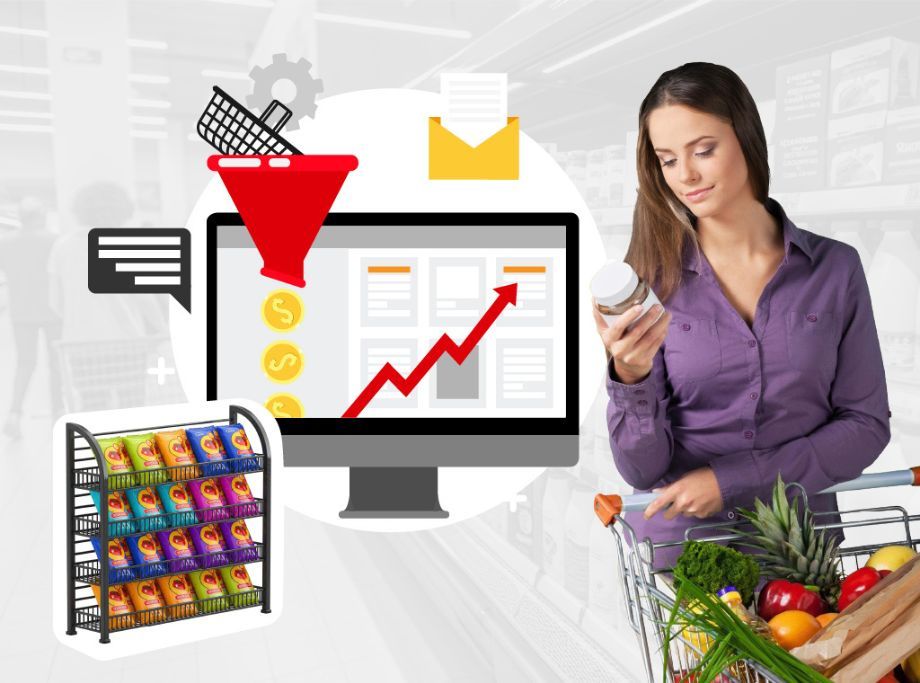
Creative excellence must translate into financial return. POP display ROI analysis compares total production and deployment costs against incremental revenue generated. This perspective elevates POP displays from marketing assets to revenue drivers.
ROI analysis also informs scaling decisions. Displays with proven profitability can be replicated across regions or adapted for new markets. Concepts similar to those developed in the Concept Floor Display Mexana project show how strategic design paired with performance tracking supports confident expansion.
Defining POP Display Success Metrics That Matter to Decision Makers
Clear POP display success metrics align marketing, sales, and operations around shared objectives. Success is not just creative approval; it is measurable contribution to store performance. Metrics such as sales uplift percentage, time-to-peak performance, and cost-per-incremental-unit sold provide decision-ready insights.
When success is clearly defined, internal alignment improves. Stakeholders speak the same language, and POP displays become part of a broader retail growth system rather than isolated executions.
Measuring POP Displays Is About Building Repeatable Retail Growth
Ultimately, measurement transforms POP displays into learning systems. Each installation generates insights that inform the next, reducing risk and increasing effectiveness over time. When brands treat measurement as an integral part of design, POP displays evolve from one-off projects into scalable retail solutions.
At diformainstore.com, the focus remains on physical, custom-engineered displays that perform in real retail environments. Measuring effectiveness ensures that every display not only looks right, but works harder where it matters most: on the sales floor.