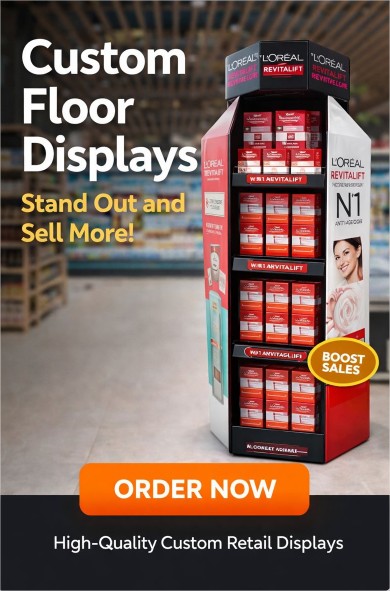
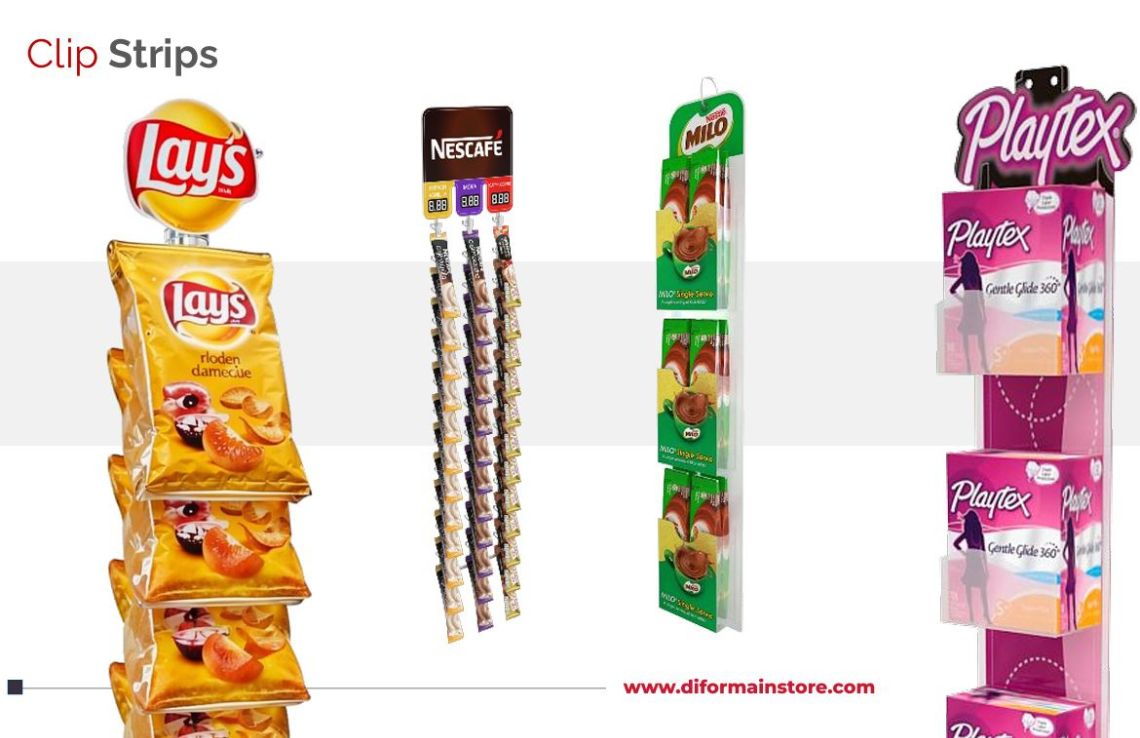
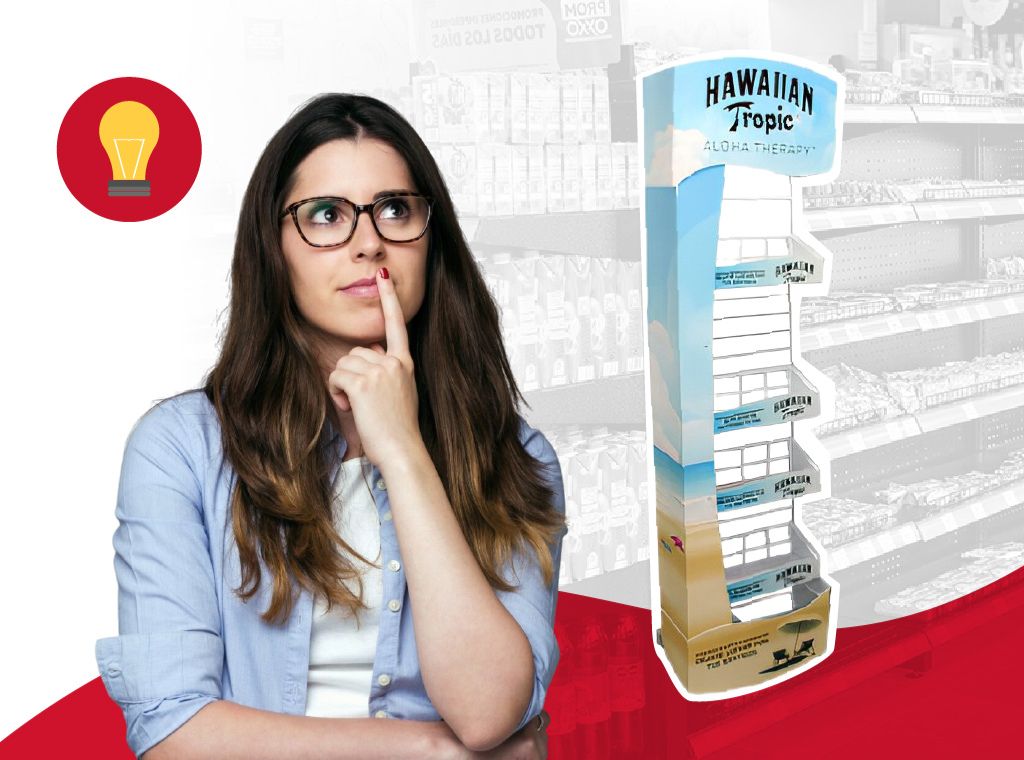
Floor displays turn split-second decisions into impulse purchases by placing high-appeal products exactly where attention pauses and resistance is lowest. Through strategic placement, clear branding, and visual simplicity, they trigger emotional buying cues that make confectionery and snacks feel like an easy, spontaneous “yes.”
How Floor Displays Turn Split-Second Decisions Into Profitable Impulse Purchases
In retail, the most profitable decisions often happen in seconds. Shoppers don’t always plan to buy a chocolate bar or an extra snack, but the right visual stimulus can turn a routine walk through the store into an unplanned purchase. This is where floor displays for confectionery play a decisive role. When designed with strategy, not decoration, they become silent salespeople that work at scale inside the store.
Impulse purchases are not accidental. They are triggered by visibility, proximity, emotion, and timing. Well-executed impulse purchase floor displays influence shopper behavior exactly at the moment when resistance is lowest and desire is highest.
Why Confectionery and Snacks Are Perfect for Impulse-Driven Displays
Confectionery and snacks are inherently emotional categories. They are affordable, indulgent, and instantly rewarding. This makes them ideal for snack floor displays retail strategies that focus on speed of decision rather than long consideration.
Unlike core grocery items, candy and snacks don’t need deep product education. What they need is presence. Strategic point of purchase floor displays place these products where attention naturally pauses: aisle intersections, checkout paths, seasonal zones, and promotional hotspots.
When shoppers encounter floor displays for candy and snacks outside the traditional aisle, the purchase feels spontaneous rather than planned, which significantly increases conversion rates.
The Psychology Behind Impulse Buying at the Point of Purchase
Understanding impulse buying retail displays starts with psychology. Shoppers are constantly making micro-decisions, most of them emotional. Color contrast, product abundance, brand familiarity, and accessibility all work together to lower the mental barrier to purchase.
Effective floor displays impulse buying strategies rely on three psychological triggers: instant recognition, low perceived risk, and immediate gratification. When these elements align, the product feels like an easy “yes.”
This is why impulse purchases in retail are heavily influenced by display placement rather than price alone. A visible product in the right context often outperforms discounted items hidden in standard shelving.

LA BOULANGERE FLOOR DISPLAY

BRIANNAS FLOOR DISPLAY

BORGES FLOOR DISPLAY

Milo Floor Display

Fernleaf DUMP BIN DISPLAY

French Brioche Floor Display
How Floor Displays Influence Buying Decisions Inside the Store
Retail environments are crowded with messages. Only a few manage to interrupt routine behavior. Floor displays in confectionery retail succeed because they break visual patterns. They introduce something unexpected in a familiar space.

Strategic design choices such as height, structure, and product orientation directly affect retail impulse buying behavior. A well-built display doesn’t just show products; it creates a visual pause that invites engagement.
At this stage, retail display influence on buying decisions becomes measurable. Stores consistently report higher sell-through rates when floor displays are integrated into high-traffic zones rather than confined to category aisles.
Snack Aisle Merchandising That Extends Beyond the Aisle
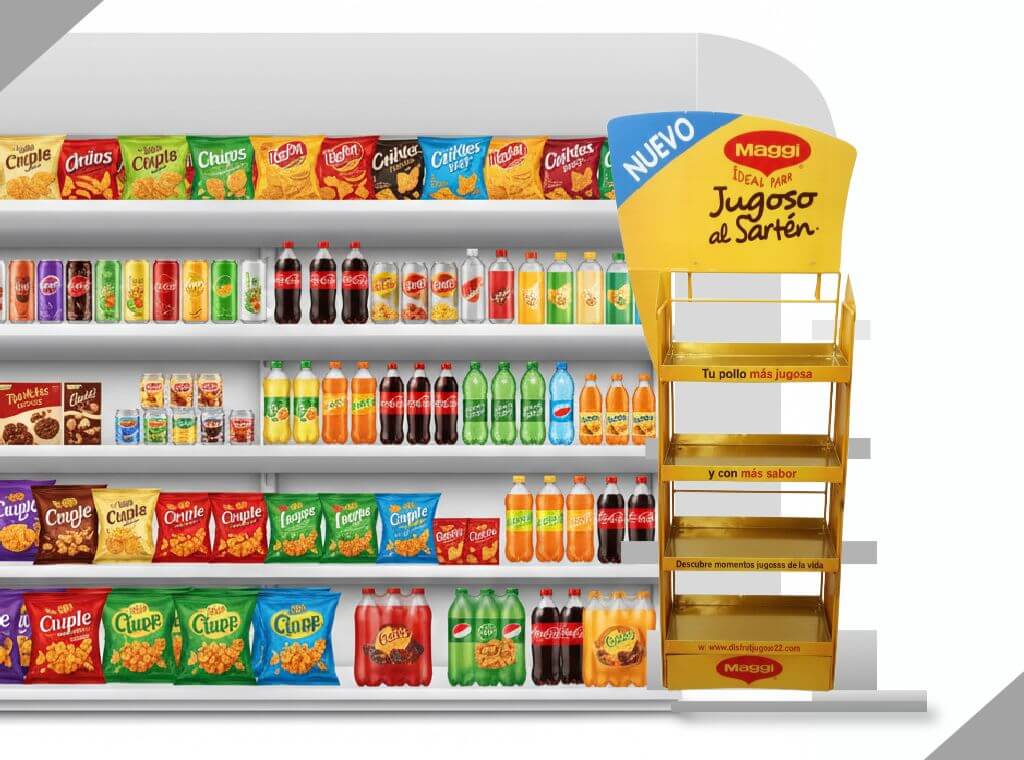
Traditional shelving limits discovery. Advanced snack aisle merchandising strategies extend the category into new touchpoints across the store. Floor displays allow brands to own temporary spaces without altering permanent layouts.
This flexibility makes them ideal for launches, seasonal campaigns, and limited editions. When shoppers encounter a snack brand in multiple locations, familiarity increases, and hesitation decreases.
From an operational perspective, these displays are also easier to replenish and rotate, which supports consistent performance throughout the campaign lifecycle.
Point of Purchase Psychology in Action
The power of point of purchase psychology lies in timing. Floor displays activate desire when shoppers are already mentally primed to buy. They are not searching for the product, but they are open to the idea of it.
Successful in-store impulse purchase triggers include visual abundance, clean branding, and intuitive access. When shoppers can grab a product without effort or confusion, the purchase feels natural rather than forced.
This is why cluttered or overdesigned displays often underperform. Simplicity, clarity, and structural balance are what convert attention into action.
Custom Retail Display Manufacturers
Ready to boost in-store impact?
Let’s design a customized POP display that makes shoppers stop, look, and buy. From concept to production, we bring your brand to life at the point of sale.
Tell us your product, retail channel, and campaign timeline — we’ll recommend the best display format.
What you’ll get
- Display concept aligned with your brand
- Material & structure recommendations
- Production-ready plan and timeline
Real-World Execution: When Strategy Meets Design
At Diforma In Store, floor displays are developed as strategic retail tools, not decorative elements. Each project is built to respond to traffic flow, brand identity, and purchase behavior.
A clear example is the KitKat floor display, where structure and brand recognition work together to capture attention outside the traditional aisle. You can explore this execution here:
https://diformainstore.com/portfolio/display-floor-kitkat/
Another strong case is the Arcor floor display, designed to maximize product visibility and impulse interaction in high-rotation retail environments:
https://diformainstore.com/portfolio/floor-display-arcor/
For snack-focused strategies, the Granuts floor display demonstrates how clear hierarchy and accessibility drive conversion in competitive retail spaces:
https://diformainstore.com/portfolio/display-floor-granuts/
Each project reflects how thoughtful design directly supports retail display influence on buying decisions without relying on aggressive messaging.
Why Floor Displays Continue to Outperform in Modern Retail
Even in digitally influenced shopping environments, physical retail remains driven by human behavior. Floor displays succeed because they respect how people actually shop, not how brands wish they did.
They support fast decisions, emotional triggers, and visual clarity. More importantly, they transform unused floor space into revenue-generating touchpoints.
For confectionery and snacks, where margins depend on volume and visibility, floor displays are not optional. They are a strategic asset that connects psychology, design, and sales performance in a single execution.