Cost effective supermarket display racks balance price, durability, and merchandising impact. The right solution improves product visibility, optimizes space, and supports sales growth without overinvesting. Smart material choices and modular design make quality affordable for independent retailers and neighborhood stores.
In today’s competitive grocery environment, store owners are under constant pressure to reduce operational costs while still delivering a professional, trustworthy shopping experience. Display infrastructure plays a decisive role here. Choosing cost-effective supermarket display racks is not about cutting corners, but about investing intelligently in systems that work harder for your store. At diformainstore.com, the focus is on practical retail fixtures designed to support real sales scenarios, from daily replenishment to seasonal promotions. Well planned racks improve circulation, guide customer behavior, and reinforce brand consistency. When shelving solutions align with budget realities, retailers gain flexibility to scale layouts, refresh assortments, and react faster to market changes without sacrificing visual standards. This balance supports long term efficiency and confident purchasing decisions.
Why Affordability Does Not Mean Compromise
Affordability in retail equipment is often misunderstood. Many buyers assume lower prices automatically mean reduced lifespan or poor aesthetics. In reality, affordable supermarket display racks can deliver strong performance when engineered with the right materials and proportions. Powder coated steel, optimized load distribution, and simplified modular components reduce manufacturing costs without compromising stability. For supermarkets, this translates into fixtures that withstand frequent restocking, high traffic, and daily cleaning routines. Smart design eliminates unnecessary complexity, focusing instead on durability and ease of assembly. Retailers benefit from faster installations, lower maintenance requirements, and predictable operating expenses. The result is shelving that meets functional needs today while remaining adaptable for future merchandising strategies and store expansions. This approach protects cash flow, supports competitive pricing, and allows reinvestment into customer experience improvements without locking retailers into rigid, costly infrastructure decisions that limit merchandising agility during growth phases and evolving consumer expectations across formats.

LA BOULANGERE FLOOR DISPLAY

BRIANNAS FLOOR DISPLAY

BORGES FLOOR DISPLAY

Milo Floor Display

Fernleaf DUMP BIN DISPLAY

French Brioche Floor Display
Budget-Friendly Systems That Scale With Your Store
For independent retailers and regional chains, budgeting decisions are strategic, not simply financial. Budget-friendly retail display racks help balance immediate cost control with long term operational value. The key lies in selecting systems designed for flexibility. Adjustable shelving heights, interchangeable accessories, and standardized components allow one investment to serve multiple product categories. Similarly, low-cost supermarket shelving solutions often focus on core functionality, avoiding decorative elements that add expense without improving sales performance. This pragmatic mindset supports clearer planograms, easier category resets, and faster staff training. When shelving adapts quickly, stores respond better to promotions, supplier changes, and seasonal demand. Over time, the cumulative savings in labor, replacements, and reconfiguration far outweigh marginal differences in upfront price, reinforcing sustainable retail growth. This stability is especially valuable for supermarkets operating in competitive, price sensitive local markets where margins are thin and efficiency defines profitability at every operational level from storage to sales.
Smart Choices for Compact Retail Spaces
Store size significantly influences fixture selection. Economical display racks for supermarkets are particularly important for compact layouts, where every square meter must generate return. For neighborhood shops and convenience focused formats, vertical optimization and slim profiles create visual order without crowding aisles. This is why many operators prioritize quality display racks on a budget, choosing durable frames with clean lines over bulky, expensive installations. Well proportioned racks improve sightlines, encourage impulse purchases, and simplify restocking workflows. Smaller stores also benefit from modular end units and add-on components that expand capacity without full replacements. By investing in scalable display systems, retailers preserve capital while maintaining a professional presentation that builds customer trust and repeat visits. This balance supports growth without forcing premature investments in oversized retail infrastructure that may not align with realistic sales volumes or evolving neighborhood shopping behaviors over medium term planning cycles common in local retail environments today.
Custom Retail Display Manufacturers
Ready to boost in-store impact?
Let’s design a customized POP display that makes shoppers stop, look, and buy. From concept to production, we bring your brand to life at the point of sale.
Tell us your product, retail channel, and campaign timeline — we’ll recommend the best display format.
What you’ll get
- Display concept aligned with your brand
- Material & structure recommendations
- Production-ready plan and timeline
Cost vs Quality: Making the Right Trade-Off
Decision makers often struggle with evaluating retail display racks cost vs quality. Price alone never tells the full story. For supermarket display racks for small stores, the true metric is total value over time. This includes lifespan, adaptability, and how well the racks support merchandising goals. Cheaper fixtures that require frequent replacement or limit layout changes quickly become expensive. Conversely, thoughtfully engineered racks distribute weight evenly, resist deformation, and maintain alignment after repeated adjustments. These characteristics protect inventory presentation and reduce operational disruptions. When quality fundamentals are present, retailers can confidently choose affordable options without risking brand perception. The smartest purchasing decisions focus on performance in real store conditions, not showroom aesthetics or inflated feature lists. This perspective ensures investments align with long term profitability and operational stability rather than short term savings driven by urgency or incomplete supplier comparisons during initial store setup phases common among new retailers globally.
Turning Affordable Displays Into Sales Drivers
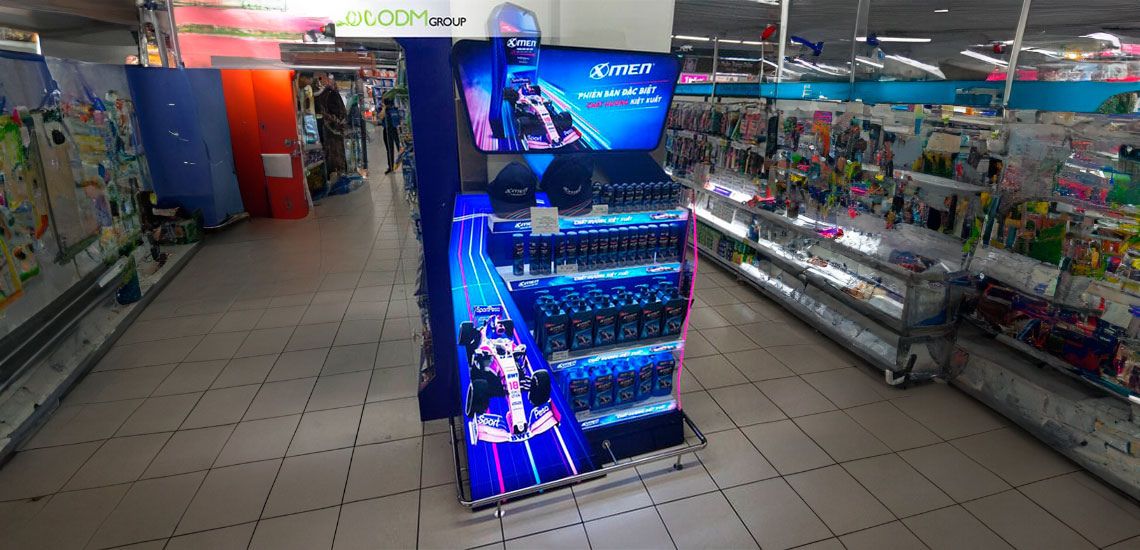
Merchandising success depends on how products are presented at key decision points. Affordable in-store display solutions should therefore integrate seamlessly with promotional strategies. End cap units, for example, create high visibility zones that influence purchasing behavior without requiring full aisle redesigns. Solutions like modular end caps available at https://diformainstore.com/end-cap-displays/ allow retailers to highlight promotions, new arrivals, or private labels while staying within budget. When these elements match the core shelving system, the store maintains visual coherence and operational simplicity. Strategic placement of value driven displays increases basket size, improves supplier collaboration, and reinforces price perception. Cost efficiency here is not about minimal spend, but about maximizing the commercial impact of every fixture deployed. This mindset transforms fixtures from expenses into active revenue supporting assets within disciplined retail investment frameworks used by high performing grocery operators across competitive urban and suburban markets where differentiation depends on execution not just pricing alone.
Selecting the right display infrastructure is a strategic decision that shapes daily operations and long term performance. Retailers who prioritize value driven design gain flexibility, consistency, and control over costs. At https://diformainstore.com/, the focus remains on practical, scalable fixtures that support real supermarket environments. By choosing systems aligned with budget realities and merchandising goals, stores create spaces that sell effectively and adapt confidently. Cost efficiency, when guided by quality fundamentals, becomes a growth enabler rather than a limitation. This approach sustains profitability in competitive retail conditions over the long term.