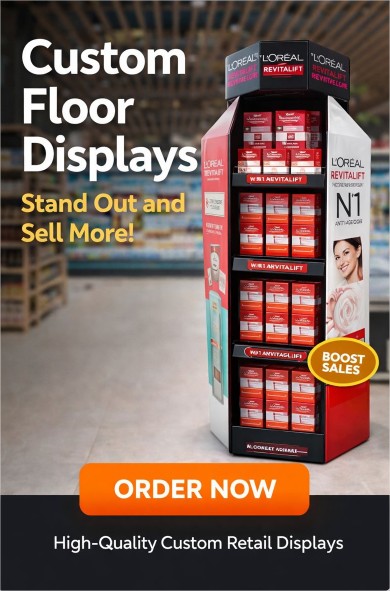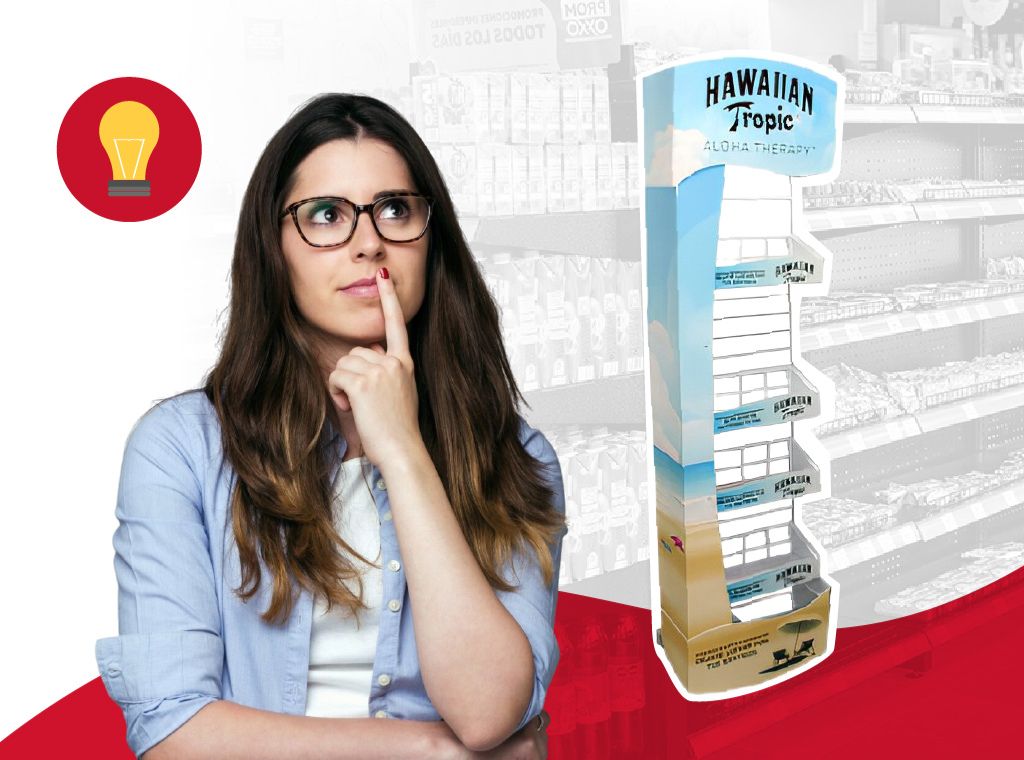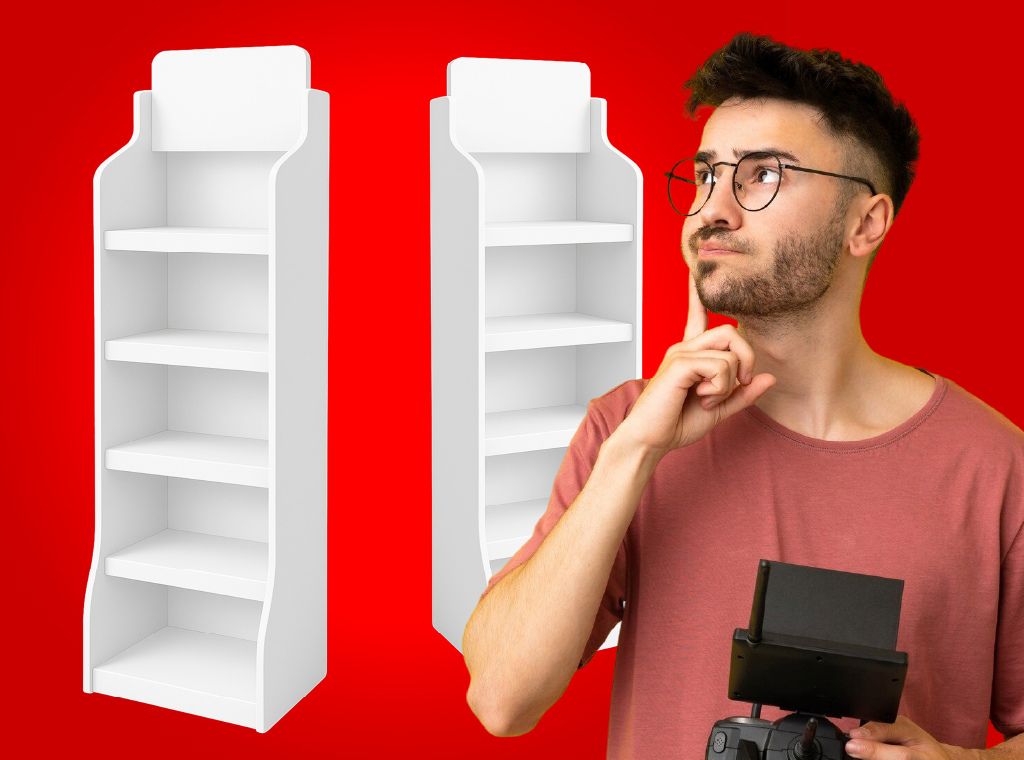
The most common mistakes when designing a custom floor display include poor layout planning, weak structural design, incorrect material selection, low visibility, and unclear messaging. Avoiding these errors ensures the display attracts attention, supports shopper flow, meets retailer standards, and converts in-store visibility into sales.
Designing a custom floor display is one of the most effective ways to transform retail visibility into real revenue. But even the best concept can fail if structural, strategic, or visual mistakes slip through the process. Brands often assume that a beautiful idea is enough, when in reality, performance depends on usability, durability, shopper behavior, and manufacturing precision.
This guide explores the most common pitfalls that retailers and brands face when developing in-store displays. Each section explains the risks behind these mistakes and how to avoid them so your display captures attention, supports the shopper journey, and meets retail expectations.
And if you’re ready to create a high-performing floor display built with strategy and expertise, you can explore professional solutions here:
https://diformainstore.com/floor-displays/
The Hidden Impact of Custom Display Mistakes That Brands Overlook
A custom display is more than a stand for products. It’s a silent salesperson, a brand storyteller, and a traffic magnet working inside the store. When it’s well designed, it increases dwell time, improves product discovery, and boosts impulse purchases. But when mistakes appear, visibility drops, structure weakens, and engagement collapses.
Understanding these failures is the first step toward avoiding them and designing displays that truly perform at retail.
Overlooking the Root Causes of custom floor display mistakes
One of the biggest challenges brands face is not recognizing the early warning signs of custom floor display mistakes. These issues often start small but result in displays that collapse prematurely, crowd aisles, fail compliance checks, or get removed by store staff.
Ignoring shopper flow, misjudging load capacity, or misunderstanding retailer guidelines can all derail even the strongest concept. Successful brands treat display design as a strategic process, not just a creative step, ensuring every detail aligns with the reality of commercial spaces.
Avoiding the Trap of common display design errors
The industry repeats the same common display design errors year after year, especially when brands rush development or skip prototyping. These errors include incorrect height, unstable bases, unclear messaging, or shelves that don’t support the expected product weight.

Each of these missteps leads to real problems at the store level. Displays that seem perfect in a design mockup can become impractical once placed in a busy aisle. The goal is not only to create something visually appealing, but something retail-ready and shopper-approved.
Why Brands Struggle With poor retail display layout

The visual path a shopper takes inside a store determines how many products they see and how many they buy. A poor retail display layout disrupts that path. When products are placed too low, too high, or too deep, the shopper must work harder to understand what’s being offered.
Brands often underestimate how display layout influences purchase decisions. Without a purposeful structure that guides the eye and directs attention, shoppers pass by without noticing the offer.
A strategic layout prioritizes three elements: visibility, accessibility, and flow. When any of these are missing, conversions suffer.

LA BOULANGERE FLOOR DISPLAY

BRIANNAS FLOOR DISPLAY

BORGES FLOOR DISPLAY

Milo Floor Display

Fernleaf DUMP BIN DISPLAY

French Brioche Floor Display
The Consequences of weak structural design
A display may look perfect in a digital mockup but fall short once installed if it suffers from weak structural design. This issue includes flimsy shelves, unstable footprints, or joints that can’t withstand repeated contact from shoppers.
Retail environments are high-traffic zones where displays must resist constant movement, product replenishment, and customer interaction. If the structure is not engineered with real-world conditions in mind, the display won’t survive its intended lifecycle.
Durability is just as important as aesthetics. A strong structure protects your brand image, ensures safety, and supports long-term performance.
Overlooking the Risks of incorrect material selection
Many custom displays fail because of incorrect material selection. Choosing the wrong substrate for weight, humidity, temperature fluctuations, or expected retail lifespan can cause warping, breakage, fading, or instability.
For example:
- Cardboard may be ideal for short-term promotions but not for long-term seasonal campaigns.
- Plastic can offer durability but may compromise sustainability goals.
- Metal brings strength but adds cost and weight that impact shipping and installation.
Successful brands collaborate with display engineers and manufacturers to ensure that aesthetics, cost, durability, and environmental impact align with the final retail strategy.
When Your Message Fails The Damage of printing mistakes in retail displays
A visually confusing display is one of the fastest ways to lose a shopper’s attention. Printing mistakes in retail displays often include blurry graphics, misaligned panels, incorrect colors, or text too small to read.
Brand consistency is critical. Any inconsistency in color, logos, or messaging affects trust. In retail, where buyers have seconds to make a decision, clarity and visual precision determine whether they stop or move on.
Correcting printing mistakes late in production can be costly and delay launches, making quality control essential throughout the process.
The Visibility Problem Understanding low-visibility display problems

Many displays underperform not because of design flaws but because of low-visibility display problems. A display might be structurally sound and beautifully printed, but if shoppers cannot easily see it, the effort is wasted.
This often occurs when:
- The display is too low or too narrow
- Colors blend into the store background
- Messaging lacks contrast
- Product placement hides the headline
- Lighting conditions were never considered
Visibility determines engagement. If the display doesn’t stand out at five or ten feet, it cannot effectively compete in a busy aisle.
When Shoppers Walk Past The Issue of ineffective POP displays
Every brand wants high-performing point-of-purchase materials, but many fall into the trap of producing ineffective POP displays that do not influence buyer behavior. These displays often fail to communicate value, lack a clear call to action, or do not highlight the best-selling product.
A POP display should guide the shopper from first glance to final choice. If the message is cluttered or the hierarchy is unclear, the display cannot support conversions.
Understanding how shoppers read visuals from top to bottom and left to right is essential when planning a POP strategy that truly moves products.
What Retailers Expect Mastering retail display best practices
Retail environments have rules, standards, and expectations. When brands follow retail display best practices, they create solutions that distributors accept, stores love, and shoppers trust.
These best practices include:
- Designing at the correct footprint for store aisles
- Ensuring stability and load-bearing accuracy
- Using brand colors that stand out without overwhelming the space
- Creating messaging that is readable from different distances
- Providing simple, fast assembly instructions
- Complying with retailer-specific modular requirements
Mastering these fundamentals prevents costly redesigns and improves long-term brand success.
How to Strengthen Your Display Strategy for Better Performance
Avoiding the mistakes discussed above is the foundation of creating a display that sells. But strong performance requires more than avoiding errors. It demands a strategy that connects shopper psychology, brand identity, and retail practicality.
This means aligning design decisions with product weight, retail location, campaign duration, and brand storytelling. It also means testing prototypes, gathering shopper insights, and optimizing before mass production.
A high-performing display is never accidental. It is the result of intentional, data-informed decisions.
Custom Retail Display Manufacturers
Ready to boost in-store impact?
Let’s design a customized POP display that makes shoppers stop, look, and buy. From concept to production, we bring your brand to life at the point of sale.
Tell us your product, retail channel, and campaign timeline — we’ll recommend the best display format.
What you’ll get
- Display concept aligned with your brand
- Material & structure recommendations
- Production-ready plan and timeline
Final Thoughts Building Displays That Truly Drive Sales
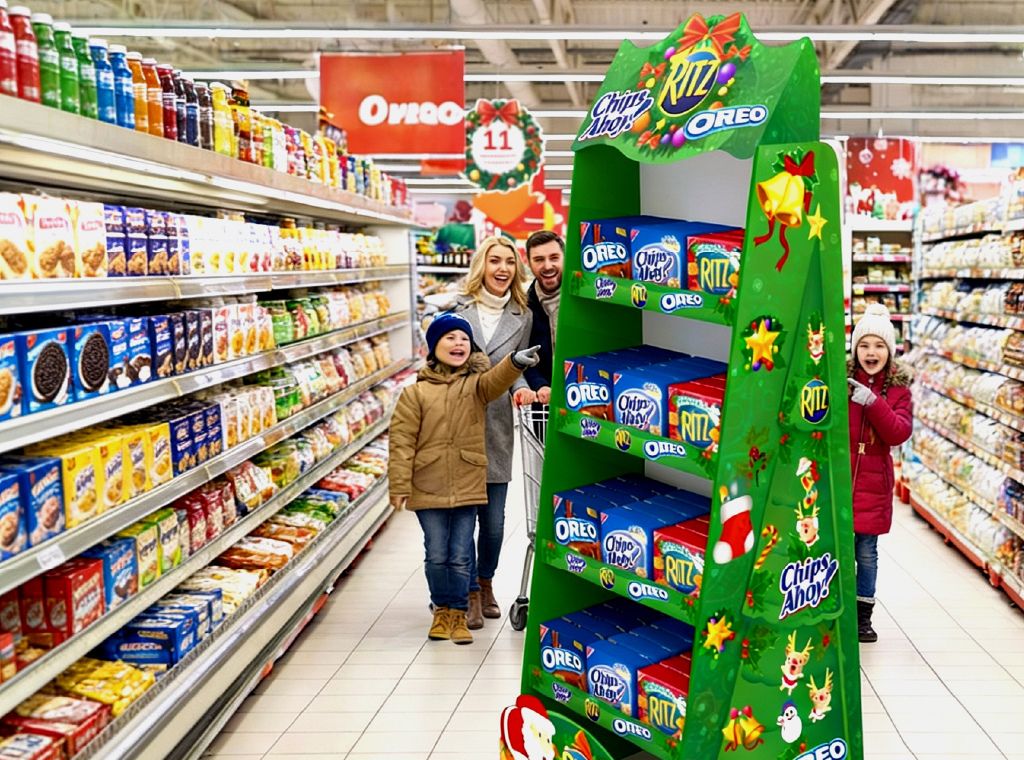
A custom floor display can transform how shoppers perceive your brand. When done well, it attracts attention, communicates value, and converts interest into sales. But avoiding the most damaging mistakes is essential for achieving that outcome.
Whether it’s preventing custom floor display mistakes, eliminating common display design errors, or applying retail display best practices, each step moves you closer to a display that doesn’t just look good but performs at retail level.
If your brand is ready to create a display engineered for maximum impact, you can explore professional floor display solutions here:
https://diformainstore.com/floor-displays/